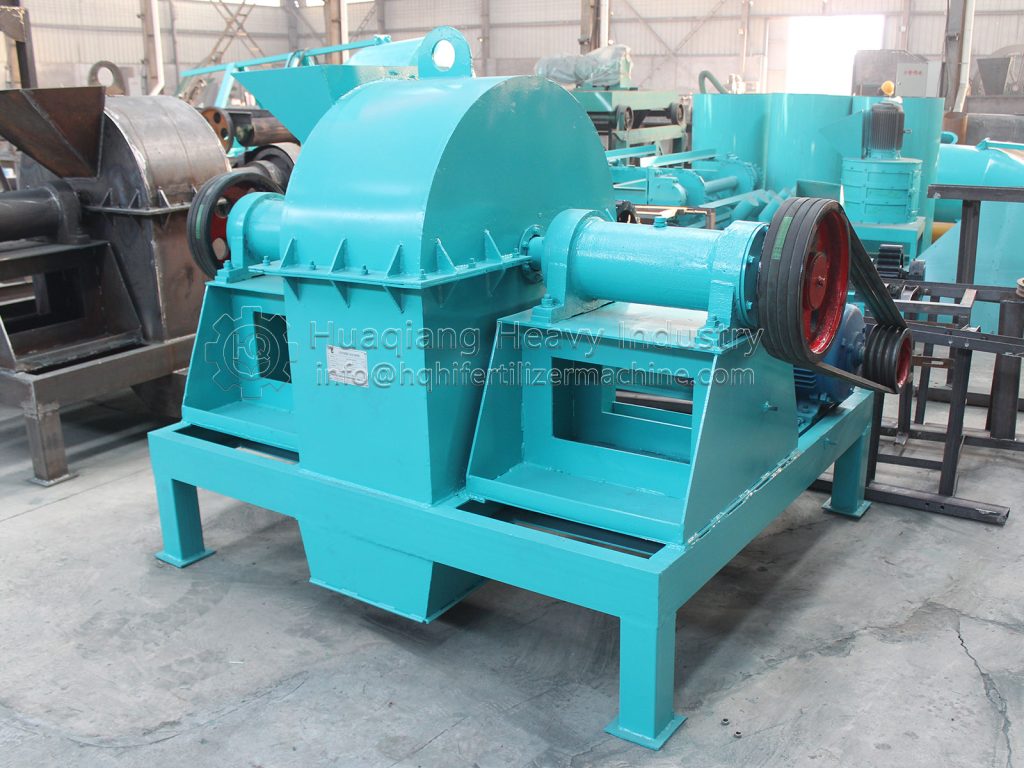
Tag: organic fertilizer granulation machine

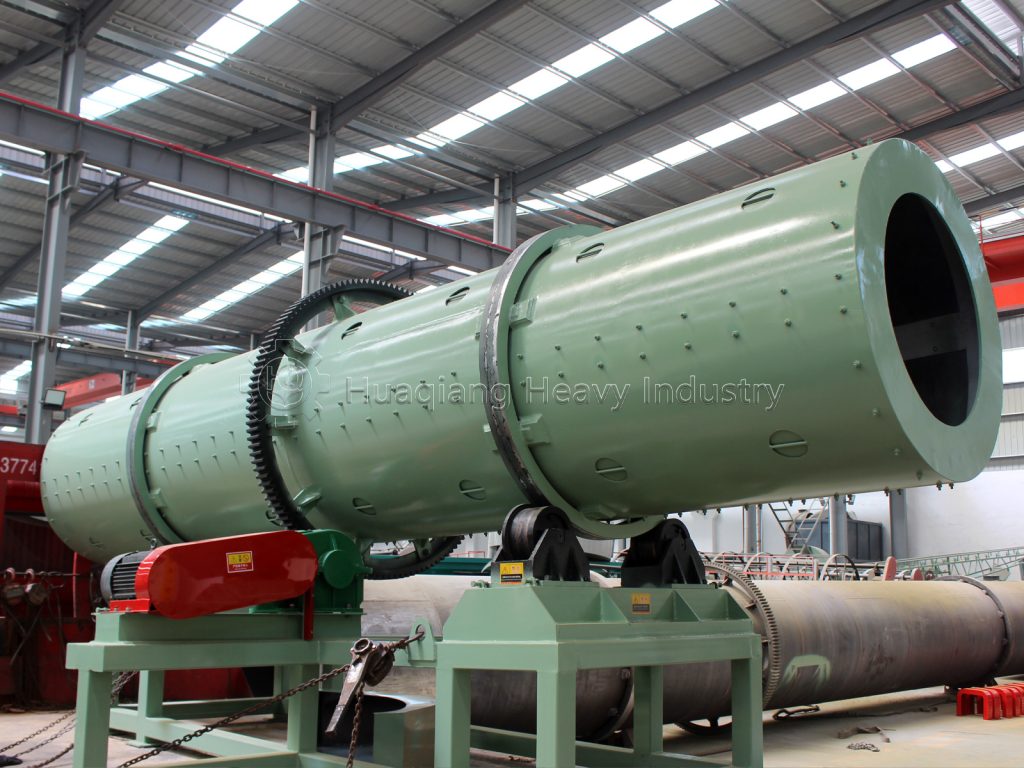
Advantages of Rotary Drum Granulators over Disc Granulators

When selecting organic fertilizer granulation equipment, both rotary drum and disc granulators are commonly used. However, rotary drum granulators, with their multi-dimensional performance advantages, better meet the efficiency and scale requirements of modern organic fertilizer production lines. The differences between the two are primarily reflected in the following four aspects.

More flexible capacity adaptability meets the needs of large-scale production. Disc granulators are limited by the diameter of their discs, typically with an hourly output of 0.5-5 tons per unit, making them suitable only for small production lines. By adjusting the drum length and diameter, rotary drum granulators can achieve hourly outputs of 1-20 tons per unit. They meet the basic production needs of small and medium-sized enterprises as well as the large-scale production of large factories. They eliminate the need for multiple units in parallel, reducing production line floor space and equipment investment costs.

They offer greater raw material compatibility and reduce pretreatment complexity. Organic fertilizer raw materials have large fluctuations in moisture and composition. Disc granulators must maintain a moisture content of 20%-30%. They also struggle with crude fiber materials, which tend to stick to the disc and produce uneven granules. Rotary drum granulators can process materials with moisture levels of 25%-40%. Leveraging the multi-directional force of the rotating drum, they can smoothly granulate composted straw, livestock manure, and other materials without the need for additional crushing or conditioning, streamlining the process.

The resulting product is more stable and meets standardized requirements. Due to the single direction of centrifugal force, disc granulators produce pellets with a roundness of 70%-80% and large particle size variations. Rotary drum granulators, on the other hand, utilize internal rollers to guide and rotate the pellets, resulting in a fully rolling and shaping process with a roundness exceeding 90% and a precisely controlled particle size of 2-5mm. Furthermore, the granulation process is gentle, does not damage organic matter, and the pellets are of moderate strength. Transportation losses are 15%-20% lower than those from disc granulators.

Operation and maintenance are also simplified, resulting in lower long-term costs. Disc granulators require frequent manual adjustments of inclination and speed, resulting in wear and tear on the disc edges and requiring frequent replacement. Rotary drum granulators, on the other hand, utilize automated control to precisely adjust speed and feed rate, eliminating the need for manual oversight. The drum is constructed of wear-resistant stainless steel, resulting in a 40% lower failure rate and over 30% lower maintenance costs, resulting in superior long-term economics.

In summary, the advantages of the rotary drum granulator in terms of production capacity, raw material compatibility, finished product quality, and cost control make it ideally suited to the diverse needs of organic fertilizer production lines, making it an ideal choice for improving efficiency and competitiveness.

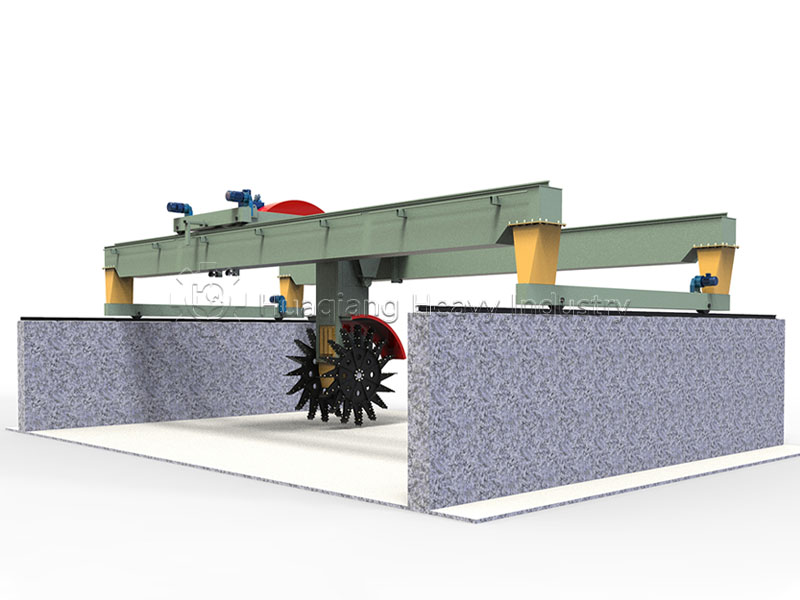
Large wheel compost turners: A super assistant for organic waste treatment

Large wheel compost turners make organic waste treatment more efficient and convenient, injecting a powerful impetus into environmental protection efforts and sparking curiosity about their many advantages.

1. Efficiently Breaks Agglomerated Materials

In organic waste treatment, materials such as livestock and poultry manure and straw often clump. The large wheel compost turner’s blades easily cut through these agglomerated materials. Whether it’s hard straw clumps or sticky livestock and poultry manure lumps, the blades quickly break them down into fine particles.

2. Deep Compost Turning Meets Diverse Needs

Large wheel compost turners typically reach a turning depth of 1.5 to 3 meters, making them suitable for organic waste fermentation projects of varying sizes and types. For large-scale organic waste treatment projects, they can penetrate deep into the bottom layer of the pile and turn the underlying material to the upper layer, ensuring sufficient oxygen supply and uniform fermentation throughout the entire pile. For small gardening farms and family farms, the turning depth can be flexibly adjusted based on actual needs to ensure effective fermentation.

3. Energy-saving Design Reduces Operating Costs

Some large wheel compost turners utilize advanced energy-saving features such as variable frequency drive. This design automatically adjusts the motor speed and power during operation based on the material’s condition and actual needs. When handling lighter, looser materials, the motor automatically reduces speed to reduce energy consumption; when handling harder, denser materials, the motor speed is increased appropriately to ensure effective turning.

The Core Reasons to Choose a Rotary Drum Granulator for Organic Fertilizer Production Lines

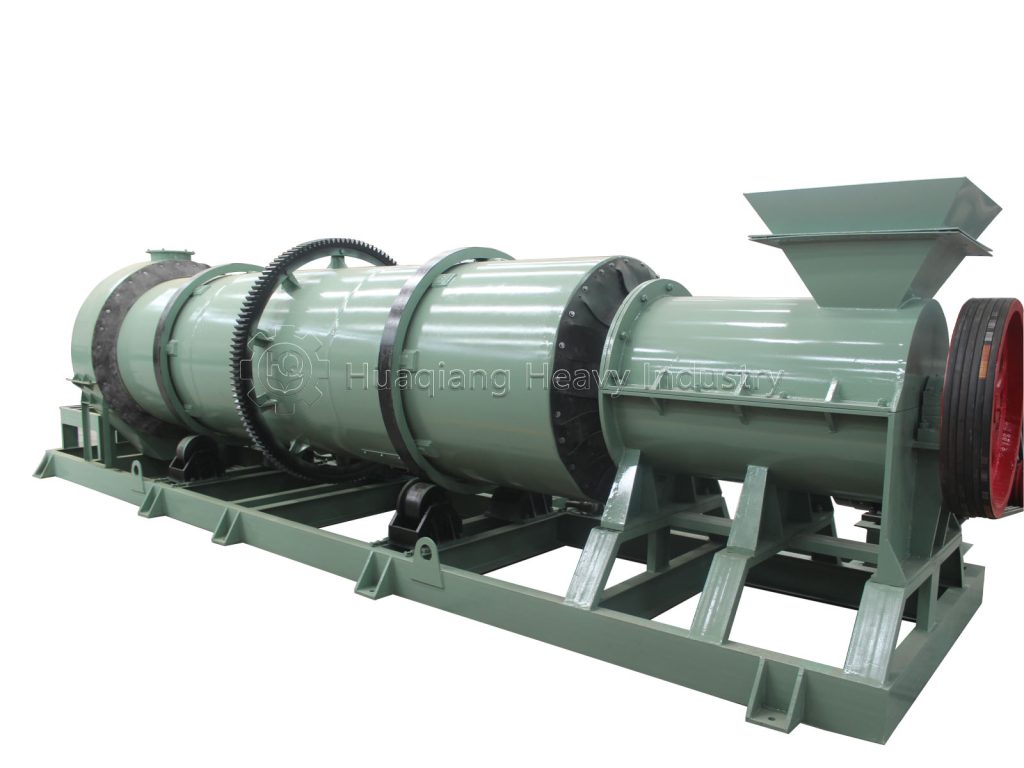
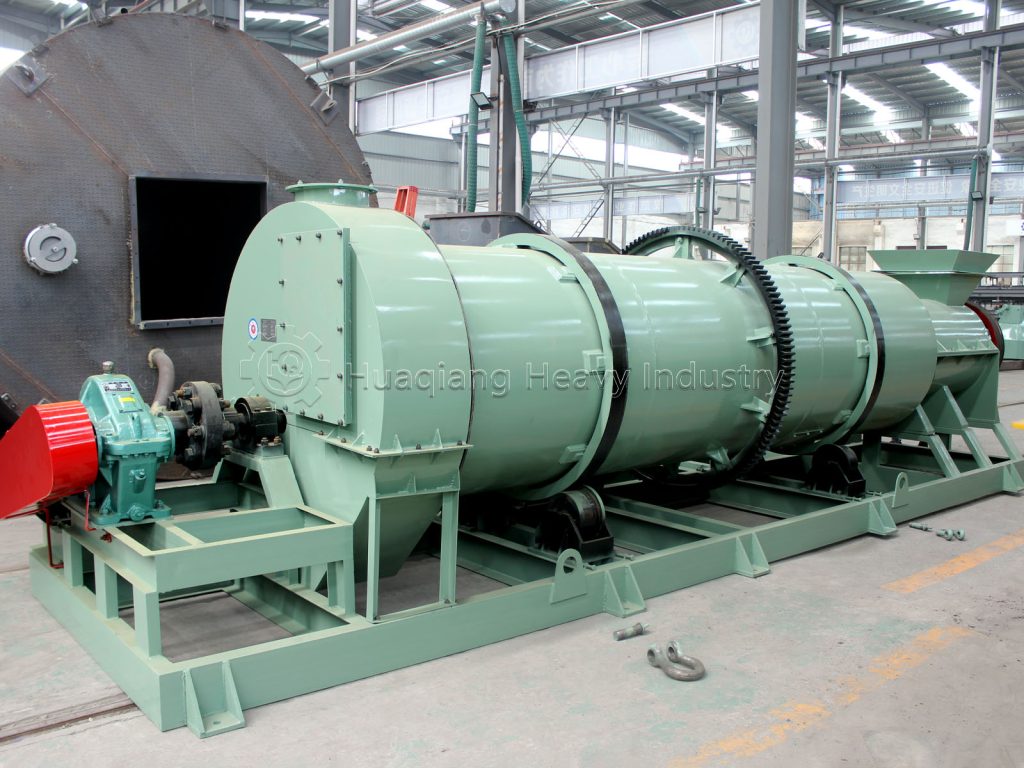
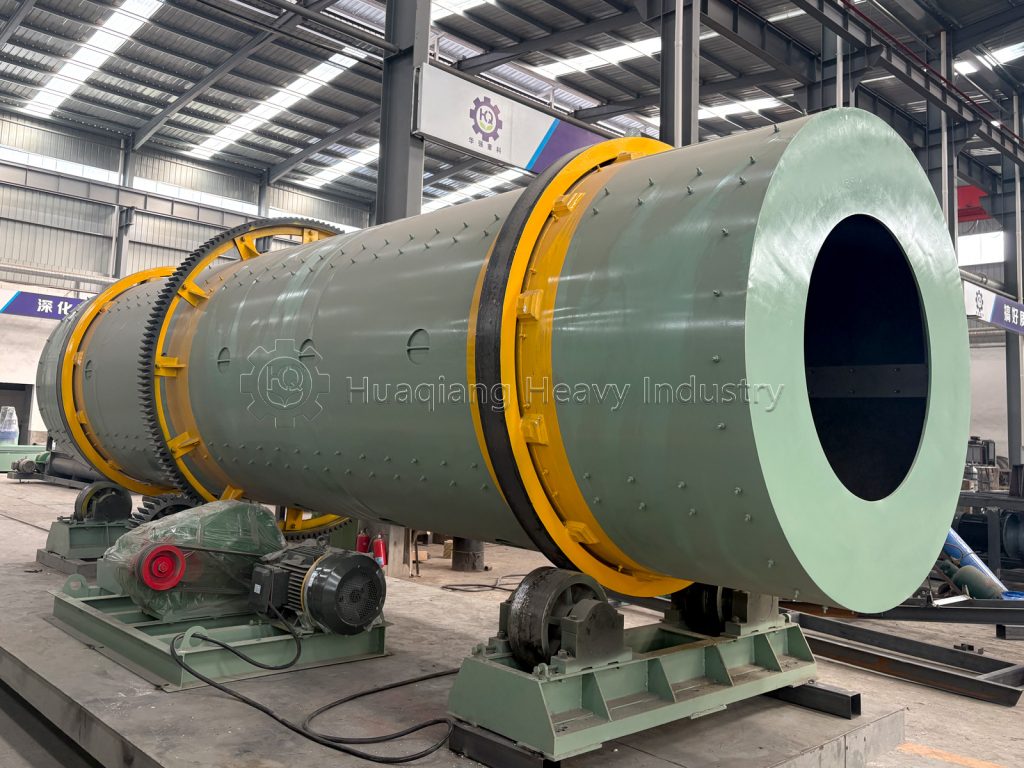
In the granulation stage of organic fertilizer production lines, rotary drum granulators are the preferred equipment for most companies due to their high adaptability to the characteristics of organic fertilizers. Their unique operating principle and performance advantages effectively address key challenges in the granulation process, ensuring product quality and production efficiency.

In terms of granulation adaptability, rotary drum granulators perfectly match the characteristics of organic fertilizer raw materials. Organic fertilizer raw materials, mostly livestock and poultry manure and composted straw, have complex compositions and contain a large amount of fiber. The rotary drum granulator uses the centrifugal force, extrusion force, and friction generated by the rotating drum to granulate loose raw materials without excessive compression, thus preventing the destruction of organic matter and functional microbial activity in the raw materials due to strong compression. The rotary drum granulator also adapts to fluctuations in raw material moisture content (it can handle raw materials with a moisture content of 25%-40%), reducing the tedious pre-treatment process.

The advantages in granulation efficiency and finished product quality are significant. The drum length and diameter of the rotary drum granulator can be flexibly designed to meet production capacity requirements. A single unit can achieve an output of 1-20 tons/hour, meeting the needs of production lines of varying sizes. Its granulation process is gentle and uniform, resulting in highly rounded granules (over 90% roundness). The particle size can be controlled between 2-5mm by adjusting the drum speed and the baffle, meeting standard requirements for organic fertilizer granules. The granules also possess moderate strength, preventing breakage during transportation while slowly disintegrating in the soil, enhancing nutrient release efficiency.

From a cost and environmental perspective, the rotary drum granulator is also competitive. Its simple structure, minimal transmission components, and low failure rate mean ongoing maintenance costs are approximately 30% lower than those of other granulation equipment (such as disc granulators and extrusion granulators). Furthermore, the granulation process does not require the addition of large amounts of binders; granulation is achieved solely through the raw material’s inherent viscosity. This reduces raw material costs while preventing the impact of foreign matter on the purity of the organic fertilizer, aligning with green production principles.

The comprehensive advantages of the rotary drum granulator in adaptability, efficiency, cost and environmental protection make it an ideal choice for the granulation link of the organic fertilizer production line, providing strong support for enterprises to achieve high-quality and high-efficiency production.

Drum screener machines are an ideal choice for material screening in various industries

When it comes to high-efficiency screening equipment, drum screener machines, with their outstanding performance advantages, play a vital role in material screening operations in various industries, including mining, building materials, chemicals, food, and agriculture. In fertilizer production, they are particularly crucial for ensuring material quality.

In terms of structural design, drum screener machines are built around the core requirement of “high-efficiency screening” and primarily consist of a drum body, a vibrating device, a drive unit, a support system, and a feed and discharge ports. The drum body’s screen mesh diameter can be customized to meet the screening standards of various industries, ensuring precise separation of materials of varying particle sizes. The vibrating device utilizes a scientifically designed vibration frequency to evenly distribute material within the drum, preventing localized accumulation that could affect screening performance. The drive unit provides stable and continuous rotational power to the drum, and together with the support system, ensures the equipment’s long-term operational stability.

Its high efficiency is reflected in multiple dimensions. Not only does it rapidly separate materials, its processing capacity can accommodate production scales ranging from small workshops to large factories, but it also boasts strong environmental adaptability—maintaining stable screening efficiency for both dry ore particles and wet organic materials, and exhibiting high tolerance to moisture and viscosity.

Furthermore, the drum screener machine’s core components are constructed of wear-resistant materials, reducing wear over time, extending its service life, and lowering ongoing maintenance costs, making it an ideal choice for material screening across multiple industries.

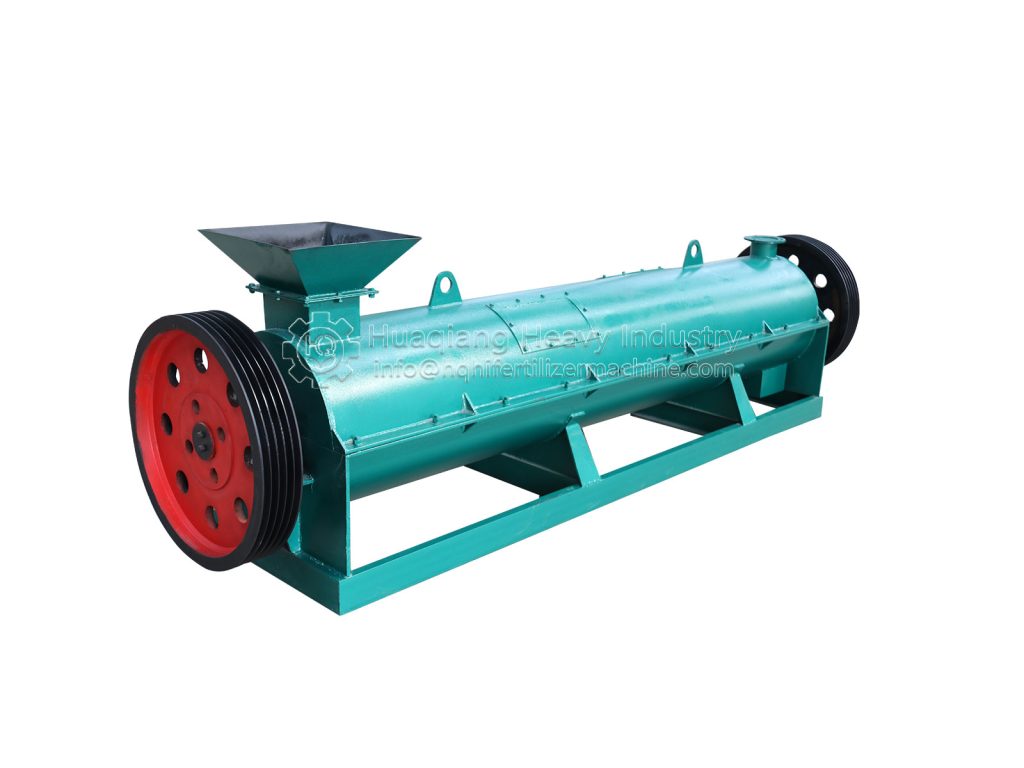
New Type Organic Fertilizer Granulator: High-Efficiency Equipment Empowering Multi-Sector Production

In response to the need for industrial upgrading, the new type organic fertilizer granulator (models YSL-60 to YSL-150) was developed by the Agricultural Machinery Research Institute. Leveraging its accumulated experience in compound fertilizer processing and its unique mixing and granulation method, it has become a practical device for granule production in various fields.

In terms of core technology, the new type organic fertilizer granulator utilizes high-speed rotating stirring teeth to stir, impact, and tumble the mixed material within the granulation drum. Friction, centrifugal force, and the material’s viscosity aggregate the material into granules, eliminating the need for complex extrusion equipment and making it suitable for high-viscosity or fibrous materials. Performance parameters include a production capacity of 1-8 tons/hour, motor power of 37-90 kW, and granule diameter of 1-5 mm. The YSL-60 produces 1-2 tons per hour, making it suitable for small and medium-sized operations; the YSL-150 produces 5-8 tons per hour, making it suitable for large-scale production.

It has a wide range of applications. In the fertilizer sector, livestock and poultry manure, straw, and other materials can be transformed into organic, bio-organic, and compound microbial fertilizers, eliminating caking issues while preserving bacterial activity and producing medium and trace element fertilizers. In the chemical industry, it can be used to granulate sticky raw materials; in the pharmaceutical industry, it can process traditional Chinese medicine granules; and in the feed industry, it can produce livestock and aquatic feed, achieving a “one machine for multiple uses.”

The core advantages are significant. Granulated particles are round and uniform, with good flowability, and are less prone to clumping during storage and transportation. Operation is simple, requiring only training. The low motor power and operating costs make the equipment affordable, making it suitable for small and medium-sized enterprises. Furthermore, it preserves fertilizer activity, extending its shelf life to 8-12 months, promoting the recycling of organic waste and achieving both economic and environmental benefits.

Daily maintenance requires three key points: regular inspections: daily inspection of the feed mechanism and transmission system; weekly inspection of agitator tooth wear; monthly bolt tightening and motor temperature monitoring; cleaning the granulation drum after production; lubricating transmission components according to specifications, and timely replacement of worn parts to ensure stable equipment operation.

This new type organic fertilizer granulator, with its multiple advantages in technology, performance and application, is providing strong support for production upgrades in agriculture, chemical industry, medicine, feed and other fields.

Differences in Equipment Selection Between Wet and Dry Granulation in the Fertilizer Industry

In fertilizer production, granular fertilizers are widely used due to their advantages such as ease of application and uniform nutrient release. The differences in equipment selection between wet and dry granulation directly impact fertilizer quality and production efficiency, requiring precise matching based on fertilizer characteristics.

In the fertilizer industry, wet granulation focuses on “liquid-solid granulation,” and equipment selection is designed around nutrient dissolution and granule solidification. Key equipment is a rotary drum granulator or disc granulator. A rotary drum granulator uses a rotating, tilted drum to mix fertilizer powder with liquid raw materials such as phosphoric acid and ammonia, forming granules through the bonding force between the materials. This makes it suitable for producing nitrogen, phosphorus, and potassium compound fertilizers, ensuring uniform coating of multiple nutrients. A disc granulator uses high-speed rotation to generate centrifugal force, which forces the material and binder to form spherical granules. This makes it suitable for fertilizers such as organic fertilizers that require a fluffy structure. A drum fertilizer dryer is required to remove excess moisture from the granules using hot air, preventing fertilizer clumping and nutrient loss. This is a hallmark of wet granulation in the fertilizer industry.

Dry granulation requires no liquid addition, and the equipment used focuses on “physical extrusion shaping,” making it more suitable for heat-sensitive or water-soluble fertilizers. The core equipment is a double roller press granulator, which uses a pair of rollers to press fertilizer powder into dense flakes. This is then crushed and sieved to form granules, preventing moisture from deliquescing in fertilizers like urea and ammonium nitrate, while also minimizing nutrient volatilization. Some high-hardness raw materials require a crusher to pre-process the lumpy fertilizer into a fine powder to ensure uniform feeding. Dry granulation eliminates the need for drying equipment, streamlines the process, and preserves water-soluble nutrients, making it suitable for producing water-soluble or slow-release fertilizers.

When selecting fertilizers, wet granulation equipment is preferred for producing compound fertilizers requiring high nutrient content. Dry granulation equipment is more suitable for processing heat-sensitive, soluble fertilizers. Wet granulation equipment also consumes more energy and is suitable for large-scale production, while dry granulation equipment occupies less space and is more suitable for small- to medium-volume production of specialty fertilizers.

A deep dive into fertilizer crusher: Structure, Principle, and Core Advantages

As a crucial piece of equipment in the fertilizer production process, fertilizer crushers play an indispensable role in the production of organic fertilizers, NPK fertilizers, and other fertilizers. To fully maximize their performance, a thorough understanding of their structure, operating principles, and core advantages is essential.

Structurally, a fertilizer crusher primarily consists of a crushing chamber, crushing components, a feed inlet, a discharge outlet, and a drive system. The crushing chamber provides space for material crushing. The crushing components within, such as the blades, hammers, and toothed plates, are the core components that directly act on the material. The drive system provides power to the crushing components, ensuring stable operation. Some fertilizer crushers are also equipped with a screening system to select the particle size of the crushed material to meet different production requirements.

The operating principle is based on a combination of impact, cutting, and grinding. After material enters the crushing chamber through the feed inlet, the high-speed rotating crushing components cut and grind the material. This, combined with intense collision and friction between the material and the crushing components, ultimately breaks the material into particles of the desired quality before discharging through the discharge outlet.

The core advantages of a fertilizer crusher lie in its high processing efficiency, adaptability, and ease of maintenance. It can quickly crush a variety of fertilizer raw materials, and its structural design facilitates routine maintenance and cleaning, significantly reducing production downtime and providing strong support for fertilizer manufacturers to increase production capacity.

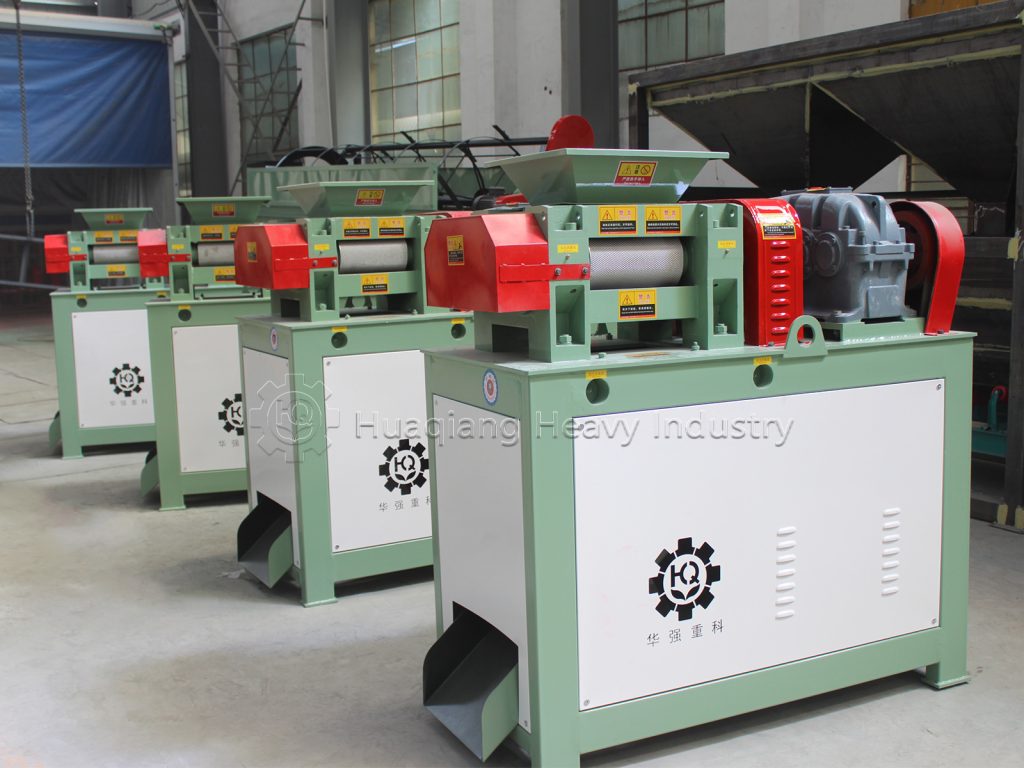
The Secrets of the Double Roller Press Granulator in an Organic Fertilizer Production Line

In the granulation process of an organic fertilizer production line, the double roller press granulator, due to its high efficiency and environmentally friendly features, is a core piece of equipment. It uses the principle of physical extrusion to transform loose organic fertilizer raw materials into uniform granules, meeting the needs of fertilizer storage, transportation, and application. Its operation process can be divided into three stages: raw material pretreatment, extrusion molding, and granulation.

Raw material pretreatment is the foundation of granulation. Fermented and crushed organic fertilizer raw materials first enter the batching system, where they are mixed with auxiliary materials in a controlled ratio to achieve a moisture content of 20%-30% and a particle size uniformity of over 80%. The raw materials are then conveyed to the feed inlet of the double-roller extrusion granulator, where they are pushed at a constant speed between two counter-rotating extrusion rollers by a screw feeder. The feeder speed can be adjusted according to the raw material characteristics to ensure a stable feed rate and avoid overloading the equipment due to excessive raw materials or affecting granulation efficiency due to insufficient raw materials.

Extrusion molding is the core step. The surfaces of the two rollers of a double-roller extrusion granulator are equipped with evenly distributed depressions of the same shape. Common shapes include circular and oval. A motor drives the rollers in counter-rotating motion through a reduction gear, generating a strong extrusion force between the rollers, compressing the raw material into the depressions. Under this pressure, the organic particles in the raw material are tightly bound together, forming lumps that conform to the shape of the depressions. This process requires no binder, relying entirely on the raw material’s inherent viscosity and extrusion force to form the product. This reduces costs while ensuring the natural properties of the organic fertilizer. The extrusion force can be adjusted to the desired granule hardness, typically within a range of 15-30 MPa.

The final stage is granulation. After the lumps fall through the gap between the rollers, they enter the crushing and screening system. The crusher breaks down the lumps, and the screen separates the organic fertilizer granules into acceptable particle sizes (generally 2-8 mm). Unacceptable large lumps or fines are returned to the raw material system for recycling, increasing raw material utilization to over 95%.

The double roller press granulator plays a key role in the organic fertilizer production line with its advantages of continuous operation, low energy consumption and high particle strength, and provides equipment support for promoting the development of green agriculture.

How to Improve the Efficiency of the Granulator in an Organic Fertilizer Production Line

As the core equipment in an organic fertilizer production line, the efficiency of the granulator directly determines the production capacity and product quality of the entire line. Improving granulator efficiency requires precise attention to multiple aspects, including raw materials, equipment, operation, and maintenance, to overcome common production bottlenecks.

Proper raw material pretreatment is fundamental. Organic fertilizer raw materials have complex compositions. Improper moisture and particle size can easily lead to clogging or loose granules. Moisture content should be controlled between 25% and 35%. If the moisture content is too high, a dryer should be used for dehydration; if it is too low, water spraying should be used for conditioning. A pulverizer should be used to control the particle size to 80-100 mesh to prevent impurities from entering the machine. Binders such as bentonite and starch should be added in appropriate proportions to enhance raw material cohesion, reduce powder waste, and increase granulation success rates.

Scientifically controlling equipment parameters is a key measure. Different granulators (such as rotary drum granulators and double roller press granulators) require matching parameters. For rotary drum granulators, the drum speed (usually controlled at 15-25 rpm) and tilt angle (3-5°) must be adjusted according to the raw material characteristics; for double roller press granulators, the roller pressure and gap must be appropriately set. Furthermore, the feeder must ensure a uniform feed rate to prevent material fluctuations that could cause the granulator to “run out” or “stuck,” maintaining stable equipment operation.

Enhanced routine maintenance is essential. During granulator operation, clean the inner wall of the drum or the extrusion die of residual material every shift to prevent scaling that could affect performance. Check bearing lubrication weekly and refill with high-temperature grease to prevent friction overheating and reduce the speed. Replace worn scrapers and liners monthly to prevent component aging and reduced molding efficiency. Maintain an equipment maintenance log to record parameters and faults to facilitate troubleshooting and reduce downtime.

Optimizing supporting processes can further improve efficiency. Linking the pelletizer with upstream and downstream processes, using sensors to monitor raw material data in real time, and adjusting upstream equipment parameters to ensure quality raw materials. Optimizing the drying and pelletizing speeds prevents pellet accumulation and moisture, minimizing secondary processing, and maximizing pelletizer efficiency.

In summary, improving pelletizer efficiency requires a balanced approach of “source control, process optimization, and ongoing maintenance.” Through refined management, production and quality can be increased while extending equipment life, ultimately creating greater profitability for the production line.

How does a rotary drum granulator work in an organic fertilizer production line?

In organic fertilizer production lines, a rotary drum granulator is the core equipment for raw material formation. It has become a mainstream choice because it meets the cohesiveness and granularity requirements of organic fertilizers such as livestock and poultry manure and composted straw. Its operation revolves around “raw material mixing – granule agglomeration – screening and output,” resulting in an efficient and stable mechanism.

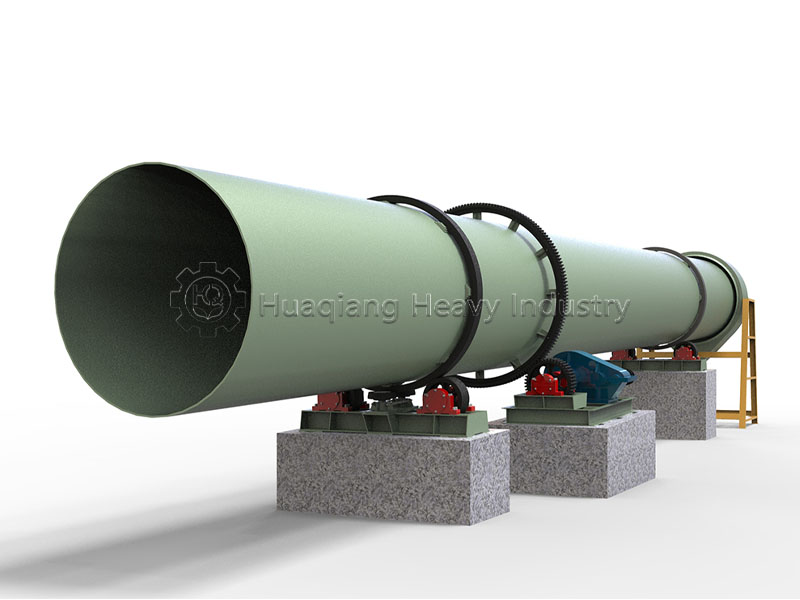
The equipment primarily consists of an inclined drum (3°-5° inclination), a transmission system, a spray system, and a scraper assembly. Scrapers on the inner wall of the drum drive the material to tumble, while the spray system regulates moisture. The scraper removes material adhering to the drum wall to prevent clogging.

The first step is “raw material pretreatment and feeding.” Composted and crushed organic fertilizer raw materials (25%-35% moisture) are mixed with auxiliary materials such as clay in a suitable proportion and then fed into the drum through the feed port. The motor drives the drum to rotate at a low speed of 10-15 rpm. The scrapers repeatedly lift and drop the material, forming a uniform layer.

The second step is the core “granule agglomeration and formation” phase. A spray device applies a metered amount of water or adhesive, depending on the moisture content of the raw materials, to create a sticky surface. As the drum rotates continuously, the material particles agglomerate into small particles through collision, friction, and compression. These small particles further absorb the raw materials and grow to qualified granules of 2-5mm. The tilted design of the drum allows the particles to naturally move toward the discharge end, enabling continuous production.

The final step is “granule screening and optimization.” The formed granules are screened to separate fine powder from bulky material. The fine powder is returned to the granulator, while the bulky material is crushed and reused to ensure acceptable yields. Furthermore, a scraper cleans the drum wall of any residue in real time to ensure efficiency and prevent hardened residue from affecting subsequent production.

In short, the rotary drum granulator uses gentle physical agglomeration to adapt to the characteristics of organic fertilizer raw materials, efficiently producing uniform granules and providing a key guarantee for the stable operation of organic fertilizer production lines.

Back To Top