Author: organic fertilizer production line

Complete Guide to Organic Fertilizer Production

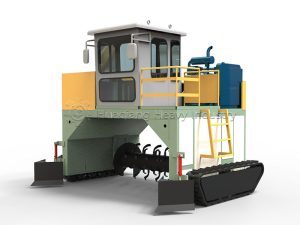
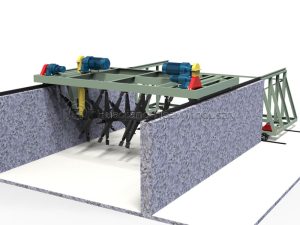
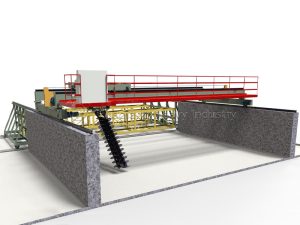
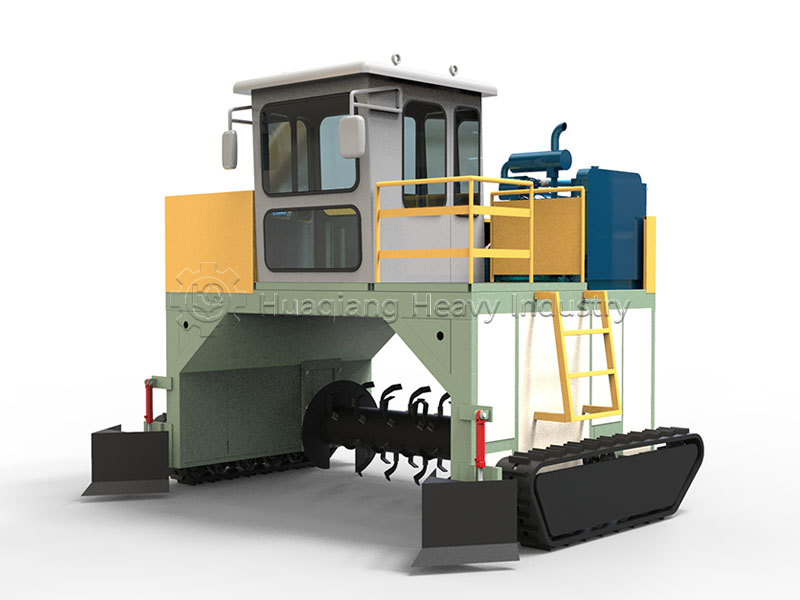
Successful organic fertilizer production relies on specialized machinery to efficiently manage the aerobic fermentation process. The core of this operation involves various compost turners, such as the high-capacity large wheel compost turner for wide windrows or the robust chain compost turner for tougher materials. These machines are fundamental equipments required for biofertilizer production, serving as the primary compost fertilizer machine to maintain oxygen levels, regulate temperature, and accelerate decomposition. This entire phase, encompassing organic fertilizer composting and fermentation, is critical for producing a stable base material. Following this, a fertilizer granulator is often used to form the finished compost into uniform, marketable pellets, completing the cycle from raw organic waste to a valuable soil amendment.
Composting Method: Aerobic Fermentation

Composting is the most common aerobic fermentation method, where microorganisms decompose organic matter in an oxygen-rich environment to create nutrient-rich soil amendment.

Material Preparation

Collect “green materials” (kitchen waste, grass clippings) and “brown materials” (dry leaves, cardboard, straw) in a recommended 2:1 ratio.

Compost Setup

Choose a sunny location and layer materials with each layer about 15-20cm thick. Add a small amount of soil or finished compost to introduce beneficial microorganisms.

Moisture Control

Keep the pile moist but not waterlogged, with ideal moisture similar to a wrung-out sponge. Turn the pile regularly to provide oxygen and promote decomposition.

Maturity Assessment

The compost is ready when it turns dark brown, becomes crumbly, and develops an earthy smell, typically taking 2-3 months.

Fermentation Method: Anaerobic Production

Anaerobic fermentation produces concentrated liquid fertilizer in a sealed environment, providing quick nutritional supplements for plants.

Material Processing

Collect kitchen waste like vegetable peels and fruit residues, clean to remove impurities. Use plastic containers, avoid metal containers.

Fermentation Initiation

For Fermented Plant Juice (FPJ), cover plant material with brown sugar; for other fermented teas, add water with molasses or fermenting agent.

Fermentation Process

Seal the container but leave space for gas escape. Fermentation completes in 1-3 weeks, longer in cooler temperatures.

Usage and Storage

Strain the liquid and dilute at 1 tablespoon/gallon ratio. Remaining solids can be used for composting or directly applied to soil.

Professional Advice: Composting is suitable for improving soil structure, while fermented liquid fertilizer is ideal for quick nutrient supplementation. Both methods can be combined for perfect long-term and immediate effects.

Environmental Benefits

Making homemade organic fertilizers not only reduces organic waste in landfills but also improves soil health and decreases chemical fertilizer usage. This recycling model helps establish sustainable agricultural ecosystems and contributes positively to environmental protection.
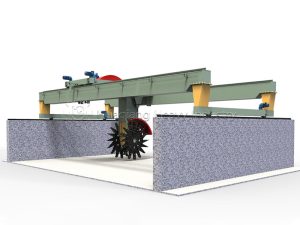
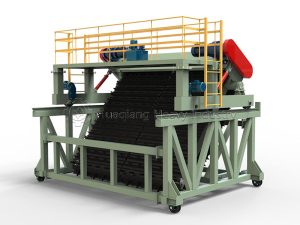
Key Role of Compost Turner in Fertilizer Production Line

Production Process Connection

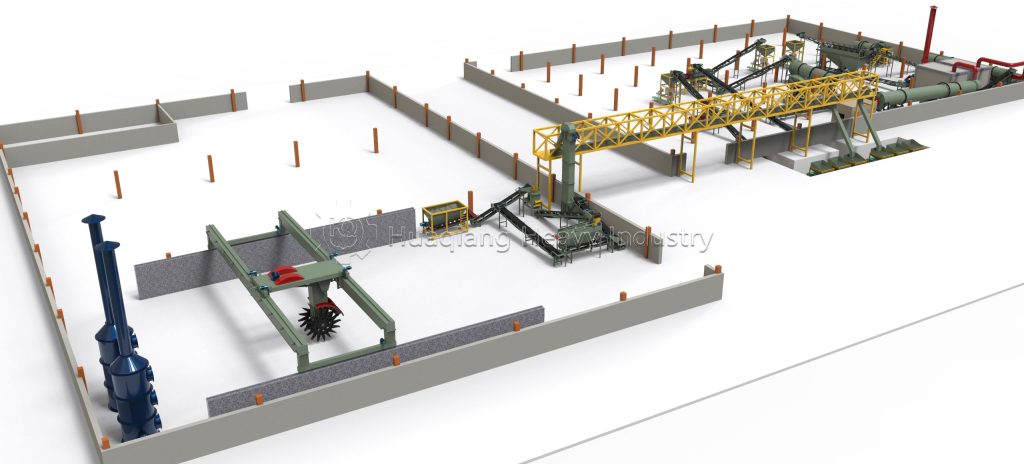
In the fertilizer production line, the compost turner serves as the core equipment in the raw material fermentation process. Raw materials that have undergone pretreatment (crushing, mixing, and carbon-nitrogen ratio adjustment) are transported to the fermentation area and stacked into windrows for turning and fermentation by the crawler-type compost turner. The composted materials are then conveyed to subsequent processes (crushing, granulation, drying, etc.) through conveyors, forming a continuous “pretreatment-fermentation-deep processing” workflow. This efficient turning operation provides high-quality raw material assurance for subsequent processing stages.

Large-scale Continuous Fermentation

For large-scale fertilizer production lines (with an annual output of over 50,000 tons), the compost turner can simultaneously serve multiple groups of windrows, achieving continuous production through a “multi-zone rotation” model: Zone one for new material loading, zone two for high-temperature fermentation, and zone three for cooling and maturation. The equipment operates on a fixed cycle with an average daily processing capacity of 800-1,500 tons, meeting the needs of large-scale production. This operation mode significantly improves site utilization and equipment efficiency.

Production Rhythm Matching

The travel speed and turning frequency of the compost turner can be steplessly adjusted through the electronic control system, allowing flexible adjustment of the fermentation schedule according to the raw material supply rate and backend processing capacity. For example, when granulator capacity increases, the turning frequency can be correspondingly increased to accelerate material maturation, ensuring the fermentation process remains synchronized with the overall production line rhythm. This flexible adjustment capability ensures stable operation of the production line.

Diversified Production Models

The compost turner can independently complete open-air windrow fermentation operations or combine with fermentation silos, conveyors and other equipment to form semi-closed production lines. For scenarios requiring mobile operations (such as livestock farms and temporary waste disposal sites), the compost turner can be flexibly moved with raw material production sites without fixed installation, greatly enhancing the production line’s mobility. This flexibility enables it to adapt to different production environments and operational requirements.

Process Optimization Value

In contemporary fertilizer manufacturing, the strategic deployment of specialized equipment forms the backbone of efficient production systems. The compost fertilizer machine, particularly the large wheel compost turner and chain compost turner, plays a pivotal role in initial processing stages, significantly enhancing fermentation efficiency while ensuring consistent product quality through precise aeration and temperature control. These robust machines serve as crucial connectors between preliminary and subsequent stages within the comprehensive organic fertilizer production line.

The transition from composting to granulation represents a critical phase in the equipments required for biofertilizer production. Advanced granulation technologies, including the versatile rotary granulator for organic materials and the precision-oriented disc granulation production line for uniform particle formation, demonstrate the sophistication of modern fertilizer production machine systems. The drum granulation process further expands this capability, particularly within npk fertilizer production line configurations, while the double roller press granulator offers alternative compaction-based granulation methods.

Complete production ecosystems, whether configured for bio organic fertilizer production line operations or dedicated npk production line setups, integrate these components into seamless manufacturing processes. The large wheel compost turning machine ensures optimal composting conditions, while downstream equipment like the drum organic fertilizer dryer maintains product integrity through controlled moisture reduction. Each fertilizer granulator unit contributes to creating specialized formulations, demonstrating how interconnected technologies support the standardized, large-scale advancement of sustainable fertilizer production worldwide.

Global Application Value of NPK Fertilizer Production Technology

NPK Fertilizer Manufacturing Process

The NPK fertilizer manufacturing process involves several critical stages that transform raw materials into high-quality, nutrient-specific fertilizers. The complete NPK fertilizer production line integrates various specialized equipment to achieve optimal results.

Raw Material Preparation

Primary nutrients (Nitrogen, Phosphorus, Potassium) and secondary elements are precisely measured according to specific formulations.

Mixing & Blending

An NPK blending machine or fertilizer mixer machine ensures homogeneous distribution of all components, while bulk blending fertilizer machine systems handle large-scale operations.

Granulation Process

The NPK fertilizer granulator machine or disc granulator machine transforms the blended powder into uniform granules through the fertilizer granulation process.

Drying & Cooling

Newly formed granules undergo controlled drying and cooling to achieve optimal moisture content and physical stability.

Screening & Coating

Granules are screened for size consistency and may receive protective coatings to enhance storage and application properties.

Packaging & Storage

The final product is packaged for distribution or stored in bulk for agricultural applications.

Key Equipment in NPK Production

The efficiency of the NPK production process heavily relies on specialized machinery designed for each stage of manufacturing of NPK fertilizer.

NPK Blending Machine

NPK Bulk Blending Machine

Fertilizer Mixer Machine

NPK Fertilizer Granulator

NPK Granulation Machine

Disc Granulator

Fertilizer Processing Machine

NPK Fertilizer Machine

Advantages of Modern NPK Manufacturing

Modern NPK manufacturing technologies offer significant benefits:

· Precision Formulation: Advanced NPK blending machine systems enable exact nutrient ratios tailored to specific crop needs and soil conditions.

· Enhanced Efficiency: The complete NPK fertilizer production line automates the NPK production process, reducing labor requirements and increasing output.

· Quality Consistency: Specialized equipment like the disc granulator ensures uniform granule size and composition batch after batch.

· Environmental Benefits: Modern fertilizer processing machine systems incorporate dust collection and emission controls to minimize environmental impact.

· Versatility: The NPK fertilizer manufacturing process can be adapted to produce various NPK ratios and incorporate micronutrients as needed.

Global Impact and Future Trends

The evolution of NPK fertilizer production line technology continues to address global agricultural challenges. As precision agriculture advances, the integration of smart controls in NPK fertilizer machine systems enables real-time adjustments to formulations based on field data. The ongoing development of more efficient fertilizer granulation methods and environmentally friendly manufacturing of NPK fertilizer processes will further enhance the sustainability of global food production systems.

Through continuous innovation in equipment such as the NPK granulation machine and bulk blending fertilizer machine, the fertilizer industry can better serve diverse agricultural regions while minimizing resource consumption and environmental footprint.

Conclusion

Looking ahead, the synergy between digital agriculture and mechanical innovation will revolutionize the npk production process. Future npk fertilizer granulator machine designs will incorporate AI-driven systems that autonomously adjust fertilizer granulation parameters based on real-time soil sensor data and weather patterns. The evolution of the npk granulation machine will focus on energy-efficient operation while maintaining precise nutrient ratios. Simultaneously, advanced fertilizer mixer machine technology will enable more homogeneous blending of raw materials, ensuring consistent quality in the manufacturing of npk fertilizer. The npk blending machine will see improvements in accuracy for custom formulations, working in tandem with the npk fertilizer machine ecosystem to create tailored solutions for specific crops and soil conditions. As the bulk blending fertilizer machine becomes more sophisticated, it will enable rapid formulation switches with minimal waste. The integrated npk fertilizer granulator systems will likely incorporate closed-loop water recycling and emission control technologies, making the entire production chain more environmentally sustainable while meeting the growing global demand for precision nutrition in agriculture.

Windrow compost turning machines offer a standardized, complete process for recycling chicken manure

Chicken manure, a common waste product in the livestock industry, is rich in nitrogen, phosphorus, potassium, and organic matter. However, its direct use without treatment can easily cause soil contamination and crop burn. The windrow compost turning machine uses a scientific processing process to transform chicken manure into high-quality organic fertilizer, effectively recycling pollutants.

The first step is raw material pretreatment. Fresh chicken manure has a moisture content of approximately 60%-70% and a low carbon-nitrogen ratio. Straw, sawdust, and other auxiliary materials are added proportionally to adjust the carbon-nitrogen ratio to 25-30:1, and the humidity is controlled at 55%-65% to create a suitable environment for aerobic microbial fermentation. After mixing, a loose pile is formed.

The second step is pile construction and initial fermentation. The mixed material is piled into a long, 3-5 meter wide and 1-1.5 meter high pile. The windrow compost turning machine, with its crawler tracks, can operate directly on the soft pile, avoiding sinking. After the equipment is started, the turning gears penetrate deep into the pile, thoroughly mixing the bottom and top layers. Air is introduced simultaneously, promoting the growth of aerobic microorganisms and rapidly raising the pile temperature to above 55°C.

The third step is continuous turning and temperature control. During the fermentation period, the compost turner operates at a set frequency: once daily in the early stages and every other day in the later stages. This turning process not only replenishes oxygen and removes fermentation waste gases, but also stabilizes the pile temperature at 55-65°C. This temperature effectively kills harmful substances such as E. coli and roundworm eggs in the chicken manure, while also accelerating the decomposition and conversion of organic matter.

The entire processing cycle takes approximately 25-35 days. After being processed by the windrow compost turner, the chicken manure is transformed from sticky, foul-smelling waste into a loose, odorless, and mature material. It can then be crushed and screened to produce organic fertilizer.

Windrow compost turning machine: Efficient equipment for converting livestock manure into organic fertilizer

In the resource utilization of livestock and poultry waste, windrow compost turning machines, with their flexible and efficient operation, have become a core piece of equipment for converting livestock manure into organic fertilizer. Through mechanized turning and plowing, they accelerate manure composting and fermentation, transforming livestock pollutants into high-quality organic fertilizer, addressing environmental challenges while also promoting resource recycling.

The core advantage of windrow compost turning machines lies in their adaptability. Their crawler-type design allows for free movement in muddy composting areas. The large ground contact area and low pressure prevent them from sinking into the manure pile, making them suitable for various sizes of fermentation workshops or open-air sites. Equipped with a hydraulically driven turning gear shaft, the equipment can reach a turning depth of 0.8-1.5 meters, thoroughly mixing the bottom layer of manure with the surface material, breaking up compacted materials and ensuring uniform fermentation.

In the livestock manure processing process, windrow compost turners play a key role in promoting fermentation. First, livestock manure is mixed with supplementary materials such as straw and sawdust in appropriate proportions, adjusting the carbon-nitrogen ratio to 25-30:1 and the humidity to 55%-65% to create optimal conditions for microbial fermentation.

Subsequently, a compost turning machine regularly turns the pile, introducing sufficient oxygen to support aerobic microbial activity and rapidly dissipating the heat generated by fermentation, keeping the pile temperature between 55-65°C. This temperature range effectively kills pathogens, insect eggs, and weed seeds in the manure, preparing the compost for subsequent operation in the fertilizer granulator.

This equipment boasts high efficiency and a high degree of automation. By setting the turning frequency and path, continuous operation is achieved, reducing labor input.

Flat die granulators: Common failures and solutions

Poor pellet formation is a common problem with flat die granulators. Improper material moisture is the primary cause. Excessively high moisture content can cause the material to stick together, making it difficult to form; while excessively low moisture content can lead to a lack of cohesiveness and loose pellets. Die wear can also cause forming problems, resulting in irregular die holes and poor pellet quality. Insufficient roller pressure can also prevent the material from being fully extruded. Solutions include strictly controlling material moisture content to maintain it within the appropriate range; regularly inspecting and replacing severely worn dies; and adjusting roller pressure to ensure uniform and adequate pressure.

Abnormal equipment noise is often caused by multiple factors. Bearing damage is a common cause, producing abnormal noise during operation. Loose components, such as loose screws and connectors, are also important, as they can generate vibration and noise during operation. Gear wear can also increase noise, as worn gears mesh poorly. If these problems occur, promptly inspect the bearings, tighten loose components, and replace damaged gears as necessary to reduce noise and ensure proper operation.

Routine maintenance is crucial to minimizing flat die granulator failures. Regularly check the wear of equipment components, such as rollers, dies, and bearings, and replace wearing parts promptly. Keep the flat die granulator clean to prevent residual material from corroding the equipment. Lubricate the equipment regularly to reduce friction between components. These routine maintenance measures can effectively reduce the incidence of equipment failures, extend equipment life, and improve production efficiency.

Efficient production in the organic fertilizer industry

The organic fertilizer industry is experiencing rapid growth. With the growing adoption of green agricultural development, market demand for organic fertilizer continues to grow, driving both innovations in raw material processing and the upgrading of production technologies.

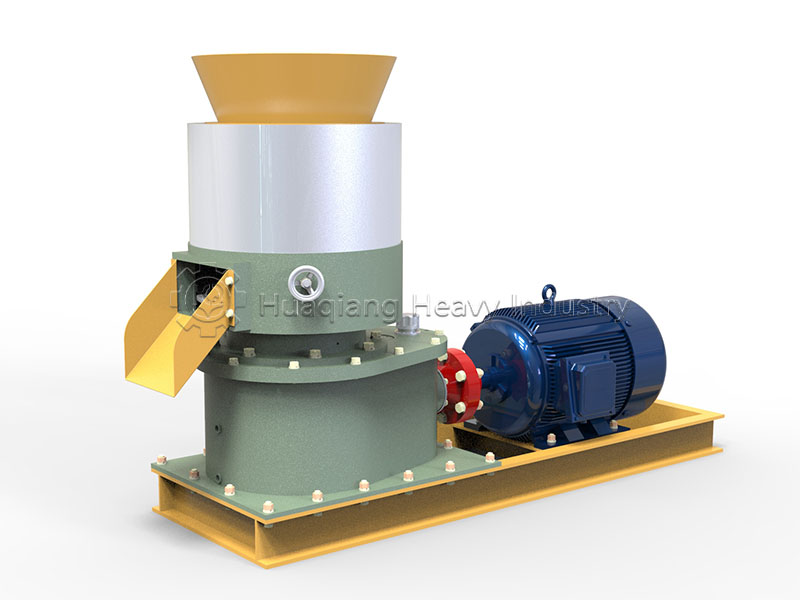
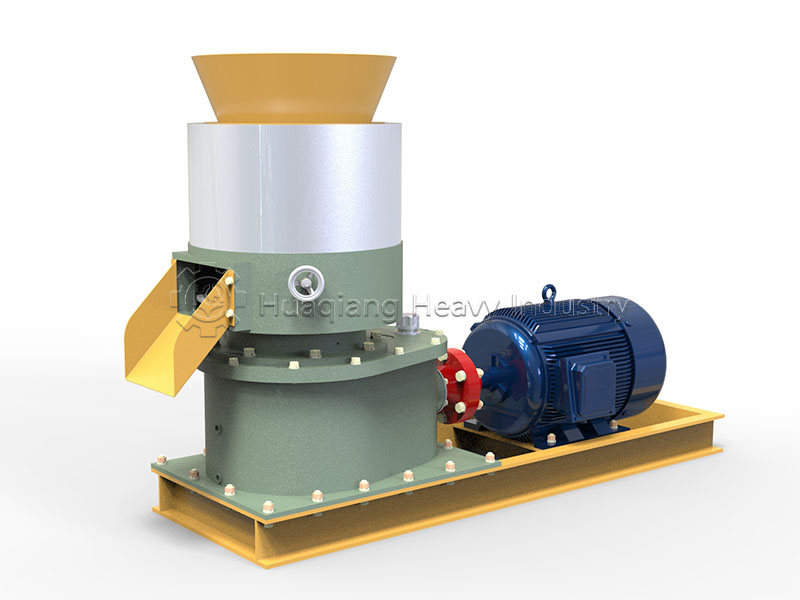
Granulation is a key step in the organic fertilizer production process, directly impacting the product’s granule shape and application efficiency. Flat die granulators play a crucial role in this process. These machines extrude fermented and decomposed organic materials into uniform, solid granules, facilitating transportation and storage while also facilitating mechanized fertilization.

The advantages of flat die granulators lie in their adaptability, ability to process a wide range of organic materials, and relatively relaxed requirements for raw material moisture content. This relatively simple structure and easy operation and maintenance make them widely used by small and medium-sized organic fertilizer manufacturers. Flat die granulators offer a high granulation rate and moderate granule strength, helping to reduce dust issues during use.

Currently, the organic fertilizer industry is moving towards scale and standardization. Technological advances in production equipment, particularly the continuous optimization of the granulation process, have provided strong support for improving product quality and production efficiency. With the iteration of technology, organic fertilizer production in the future will be more efficient and energy-saving, contributing more to sustainable agriculture.

What Fertilizers Sell Well? Matching Products To Regional Demand

For entrepreneurs planning to build a factory, the first and most critical question is, “What fertilizers sell well?” The answer depends on two core factors: regional demand and local competition—ignoring either can lead to product overstock and wasted investment.

Regional demand directly influences product selection. In southern China, where cash crops such as fruits, vegetables, and tea dominate, bio-organic fertilizers are in high demand. These crops require soil improvement and high-quality nutrients to enhance flavor and yield, making high-value bio-organic fertilizers a top choice for farmers. For example, in Guangdong’s vegetable-growing areas, sales of bio-organic fertilizers have grown by 15% annually in recent years as farmers prioritize chemical-free farming to meet market demand for green agricultural products.

In contrast, northern China’s major grain-producing regions (Northeast and North China) rely heavily on nitrogen, phosphorus, and potassium compound fertilizers and bulk blends. Wheat, corn, and rice require a balanced supply of nitrogen, phosphorus, and potassium to ensure stable yields. While NPK compound fertilizers with standard ratios (e.g., 15-15-15) are the mainstay in the region, bulk-blended fertilizers offer flexibility—farmers can adjust the formula to suit soil conditions (for example, adding more potassium in saline-alkali soils). A survey in the Heilongjiang Corn Belt revealed that over 70% of farmers prefer bulk-blended fertilizers due to their cost-effectiveness and adaptability.

The competitive landscape also dictates differentiation. If a region already has many small and medium-sized organic fertilizer plants, they should avoid homogenization. Instead, they should focus on high-content organic-inorganic compound fertilizers—combining organic matter with trace elements—to fill market gaps. For example, in Shandong Province, where organic fertilizer plants are densely populated, a new plant launched a 50% organic compound fertilizer for greenhouse growers, quickly capturing 10% of the local market share within six months.

For NPK compound fertilizers, customized formulas are possible if local competition is fierce. Saline-alkali regions like Hebei and Inner Mongolia require NPK compound fertilizers with salt-tolerance additives. A local fertilizer manufacturer developed a specialized nitrogen, phosphorus, and potassium (NPK) fertilizer formula (20-10-15, with added humic acid) that provides nutrients while improving soil structure, making its product stand out from the crowd.

The manufacturing flexibility for such specialized formulations is achieved through adaptable production systems. A standard npk fertilizer production line can be configured to accommodate these custom recipes, beginning with precise formulation using an npk blending machine. The granulation process can utilize either a traditional disc granulator operating within a disc granulation production line or a double roller press granulator for dry granulation. This versatility allows the same npk fertilizer line to produce various specialized formulas, while the core fertilizer granulator technology remains consistent, distinguishing the process from a standard organic fertilizer production line.

In short, the choice of what to produce isn’t random. By tailoring its products to regional crop needs and differentiating them from competitors, the fertilizer manufacturer can ensure its products are a hit from the start.

Analysis of Main Equipment in Organic Fertilizer Disc Granulation Production Line

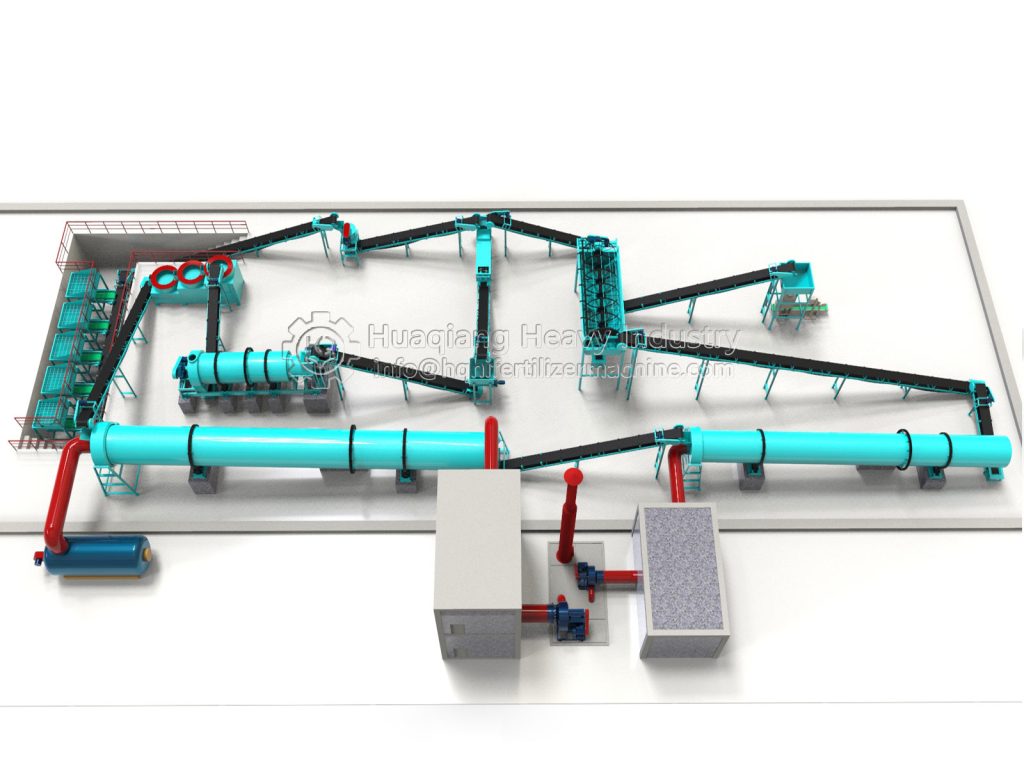
The organic fertilizer disc granulation production line is a complete production system composed of multiple key equipment, each playing an irreplaceable role in the production process. Understanding the functions and characteristics of these equipment helps to better master the entire production process.

1. Automatic Batching System

The automatic batching system is the starting point of the production line, consisting of feeding system, weighing device, silo and conveyor belt. This system combines the speed of dynamic batching with the accuracy of static batching (0.2%), ensuring the accuracy of raw material proportions.

2. Vertical Mixer

The vertical mixer has advantages such as long service life, energy saving, small size, and fast mixing speed, and can work continuously, making it particularly suitable for large-scale production needs.

3. Disc Granulator

As the core equipment, the new type of inclined disc granulator can achieve a granulation rate of over 90%, ensuring production efficiency and product quality.

4. Dryer

The dryer features beautiful appearance, simple operation, low energy consumption, and long service life. It is an advanced compound fertilizer drying equipment in China, achieving uniform drying.

5. Chain Crusher

Using high-strength wear-resistant carbide chain plates with reasonable inlet and outlet design, it ensures uniform crushing of materials, is not easy to stick to the wall, and is easy to clean.

6. Rotary Screener

Using combined screens that are easy to maintain and replace, with simple structure, convenient operation, and stable operation, it is an ideal equipment for compound fertilizer production.

7. Coating Machine

The main engine is lined with polypropylene or acid-resistant stainless steel, with specially designed internal structure, making it an effective special equipment for compound fertilizer production.

8. Packaging Machine

Using screw feeding and forced discharge by feeding mechanism, it achieves automatic quantitative packaging and improves packaging efficiency.

9. Cyclone Dust Collector

Mainly used for pre-sedimentation of high-concentration dust and separation and recovery of materials, it has high collection and separation efficiency for coarse particles above 5-10um and high purification rate.

10. Conveyor

Suitable for material transportation in environments such as fertilizer plants and cement plants, particularly suitable for situations requiring manual loading, saving a lot of manpower.

Conclusion

The integrated organic fertilizer production line represents a sophisticated system where various fertilizer production machine units collaborate to establish an efficient and continuous manufacturing process. The production begins with crucial preprocessing equipment such as the large wheel compost turner and chain compost turner, which are essential components among the equipments required for biofertilizer production. These compost fertilizer machine units ensure optimal decomposition and prepare raw materials for subsequent processing stages.

At the heart of the granulation phase, the disc granulation production line offers versatile solutions, while alternative systems like the rotary drum granulator and drum granulator provide additional options for specific production needs. The drum granulation process proves particularly effective in both organic fertilizer production line and bio organic fertilizer production line configurations. For operations requiring high-pressure granulation, the double roller press granulator serves as an excellent fertilizer granulator alternative.

The comprehensive system shares similarities with the npk fertilizer production line in terms of operational principles, though each follows a distinct npk fertilizer production process. Whether implementing a specialized npk production line or a dedicated organic fertilizer system, proper equipment selection and integration remain paramount for achieving optimal production efficiency, consistent product quality, and sustainable operational practices in modern fertilizer manufacturing.

Disc Granulator: Why Is It Preferred?

 In modern fertilizer production, the disc granulator stands as a master craftsman, becoming the preferred equipment for numerous enterprises within the NPK manufacturing process. While the rotary drum granulator offers an alternative approach, the disc granulator’s unique design philosophy and exceptional performance for creating uniform fertilizer granules make it indispensable. For materials requiring fertilizer compaction, the fertilizer compactor and roller press granulator production line provide specialized solutions for fertilizer granules compaction. A reputable fertilizer machine manufacturer typically integrates both technologies into a comprehensive NPK fertilizer production line, ensuring optimal equipment selection for each production stage. This sophisticated fertilizer production machine ecosystem, whether utilizing a drum granulator or specialized fertilizer compaction machine, contains profound engineering wisdom that transforms powder materials into valuable agricultural nutrients through precise mechanical design and controlled agglomeration processes.

Precision Structure: Every Component Is Indispensable

Core Granulation Disc

As the heart of the equipment, the granulation disc is welded from high-quality steel plates with wear-resistant lining on the inner wall, ensuring long-term stable operation. With diameters ranging from 1-5 meters, depths of 0.3-1.5 meters, and adjustable inclination angles between 30°-60°, it meets diverse production requirements.

Precision Transmission System

The transmission device, composed of motor, reducer, and pulley, ensures the granulation disc rotates steadily at 5-30 rpm. This precise power system is key to ensuring uniform particle quality.

Intelligent Control System

Equipped with advanced feeding devices and water spray systems, it achieves uniform material feeding through screw feeders or belt feeders, combined with precise water spraying to ensure optimal material moisture content.

ComponentTechnical ParametersFeatures
Granulation DiscDiameter 1-5m, Inclination 30°-60°Core working part with wear-resistant lining
Transmission SystemRotation Speed 5-30 rpmEnsures stable operation and uniform particles
Frame StructureSteel Section WeldingProvides stable support and equipment stability

Outstanding Advantages: Redefining Granulation Standards

Excellent Pelletizing Effect

Particle sphericity exceeds 80%, smooth surface, high uniformity, and excellent strength

Easy and Flexible Operation

Simple and intuitive structure, precise control through speed and angle adjustment

Wide Adaptability

Processes various materials, from powders to viscous materials with perfect results

Energy Efficient Operation

Lower energy consumption compared to other equipment, more competitive operating costs

Particularly noteworthy is the remarkable flexibility disc granulators demonstrate when processing different materials. Whether dealing with fine powders or somewhat viscous raw materials, they can achieve optimal granulation results through precise adjustment of process parameters. This powerful adaptability ensures excellent performance in varying production environments.

Production Efficiency: Driving Force of Continuous Innovation

Disc granulators employ continuous production methods with hourly outputs ranging from several tons to dozens of tons, fully meeting production needs of different scales. Their efficient operation and stable product quality make them indispensable key equipment in modern fertilizer production lines. Meanwhile, the modular design concept makes equipment maintenance more convenient, significantly improving overall operational efficiency.

The disc granulator represents not only an outstanding example of mechanical engineering technology but also the perfect embodiment of modern production process wisdom. From precise component design to intelligent operating systems, from excellent pelletizing effects to efficient operational performance, every detail demonstrates the sophistication and innovation of engineering technology. As global fertilizer production continues to pursue efficiency, energy conservation, and environmental protection, disc granulators are consistently providing strong technical support for global agricultural production with their exceptional performance and reliable quality.

Back To Top