Tag: organic fertilizer production line

New Type Organic Fertilizer Granulator: High-Efficiency Equipment Empowering Multi-Sector Production

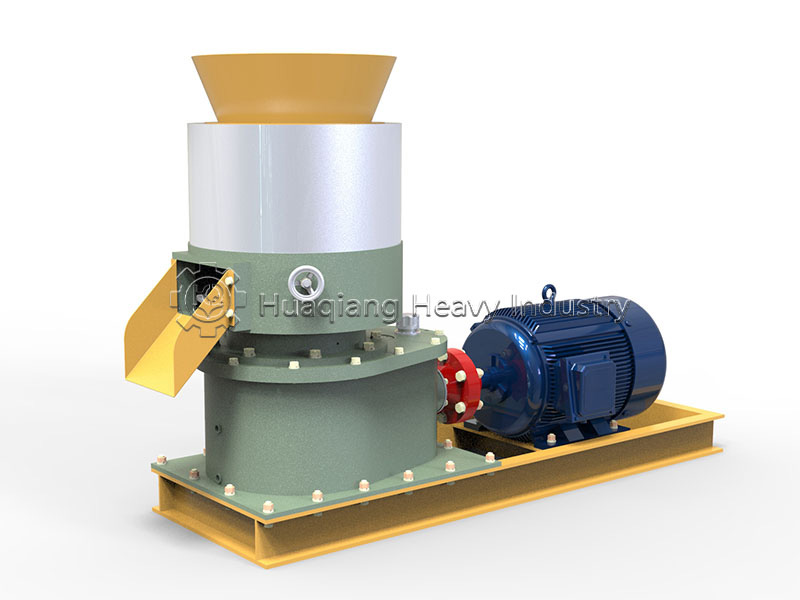
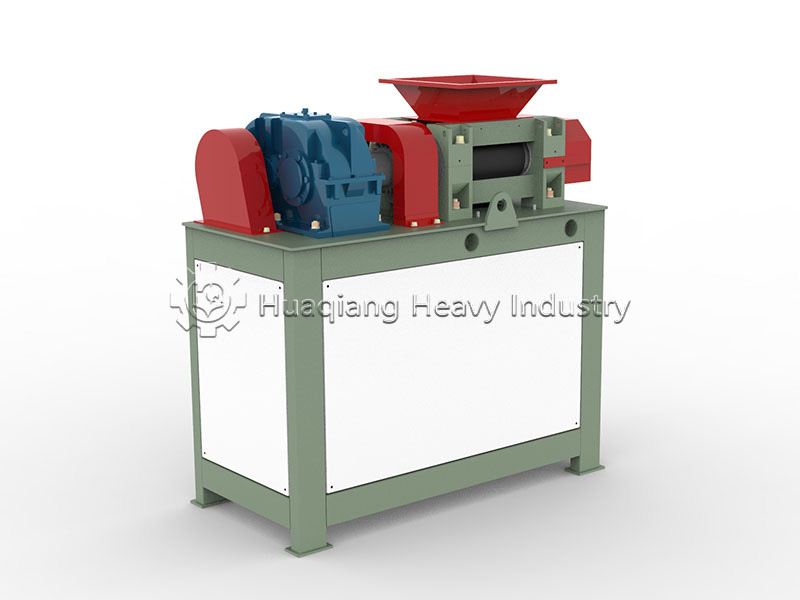
In response to the need for industrial upgrading, the new type organic fertilizer granulator (models YSL-60 to YSL-150) was developed by the Agricultural Machinery Research Institute. Leveraging its accumulated experience in compound fertilizer processing and its unique mixing and granulation method, it has become a practical device for granule production in various fields.

In terms of core technology, the new type organic fertilizer granulator utilizes high-speed rotating stirring teeth to stir, impact, and tumble the mixed material within the granulation drum. Friction, centrifugal force, and the material’s viscosity aggregate the material into granules, eliminating the need for complex extrusion equipment and making it suitable for high-viscosity or fibrous materials. Performance parameters include a production capacity of 1-8 tons/hour, motor power of 37-90 kW, and granule diameter of 1-5 mm. The YSL-60 produces 1-2 tons per hour, making it suitable for small and medium-sized operations; the YSL-150 produces 5-8 tons per hour, making it suitable for large-scale production.

It has a wide range of applications. In the fertilizer sector, livestock and poultry manure, straw, and other materials can be transformed into organic, bio-organic, and compound microbial fertilizers, eliminating caking issues while preserving bacterial activity and producing medium and trace element fertilizers. In the chemical industry, it can be used to granulate sticky raw materials; in the pharmaceutical industry, it can process traditional Chinese medicine granules; and in the feed industry, it can produce livestock and aquatic feed, achieving a “one machine for multiple uses.”

The core advantages are significant. Granulated particles are round and uniform, with good flowability, and are less prone to clumping during storage and transportation. Operation is simple, requiring only training. The low motor power and operating costs make the equipment affordable, making it suitable for small and medium-sized enterprises. Furthermore, it preserves fertilizer activity, extending its shelf life to 8-12 months, promoting the recycling of organic waste and achieving both economic and environmental benefits.

Daily maintenance requires three key points: regular inspections: daily inspection of the feed mechanism and transmission system; weekly inspection of agitator tooth wear; monthly bolt tightening and motor temperature monitoring; cleaning the granulation drum after production; lubricating transmission components according to specifications, and timely replacement of worn parts to ensure stable equipment operation.

This new type organic fertilizer granulator, with its multiple advantages in technology, performance and application, is providing strong support for production upgrades in agriculture, chemical industry, medicine, feed and other fields.

Differences in Equipment Selection Between Wet and Dry Granulation in the Fertilizer Industry

In fertilizer production, granular fertilizers are widely used due to their advantages such as ease of application and uniform nutrient release. The differences in equipment selection between wet and dry granulation directly impact fertilizer quality and production efficiency, requiring precise matching based on fertilizer characteristics.

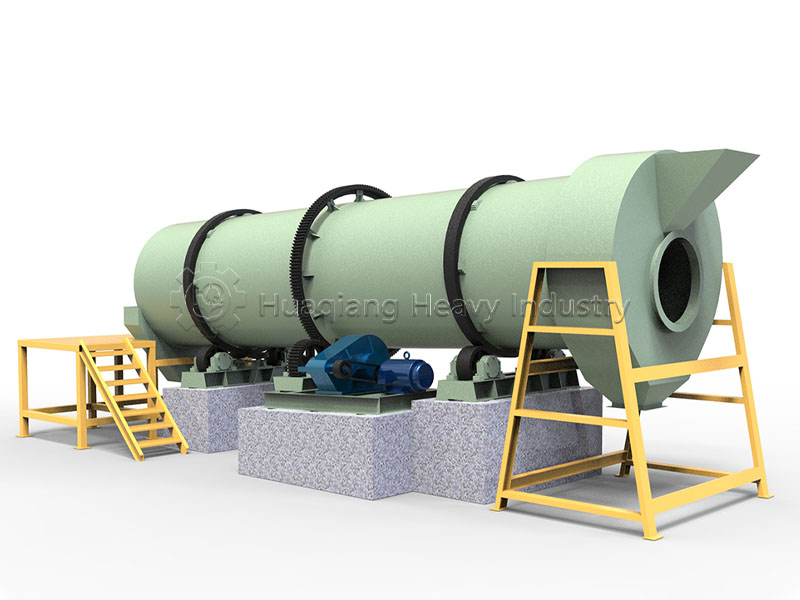
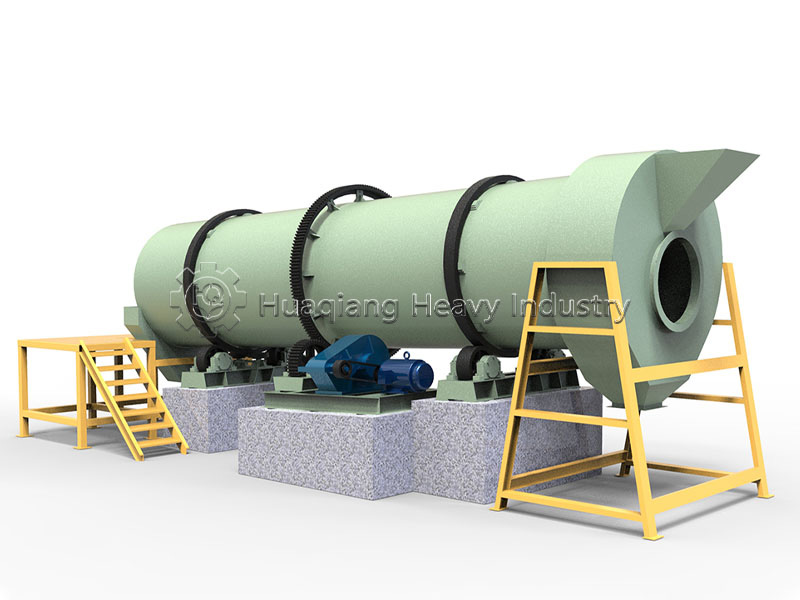
In the fertilizer industry, wet granulation focuses on “liquid-solid granulation,” and equipment selection is designed around nutrient dissolution and granule solidification. Key equipment is a rotary drum granulator or disc granulator. A rotary drum granulator uses a rotating, tilted drum to mix fertilizer powder with liquid raw materials such as phosphoric acid and ammonia, forming granules through the bonding force between the materials. This makes it suitable for producing nitrogen, phosphorus, and potassium compound fertilizers, ensuring uniform coating of multiple nutrients. A disc granulator uses high-speed rotation to generate centrifugal force, which forces the material and binder to form spherical granules. This makes it suitable for fertilizers such as organic fertilizers that require a fluffy structure. A drum fertilizer dryer is required to remove excess moisture from the granules using hot air, preventing fertilizer clumping and nutrient loss. This is a hallmark of wet granulation in the fertilizer industry.

Dry granulation requires no liquid addition, and the equipment used focuses on “physical extrusion shaping,” making it more suitable for heat-sensitive or water-soluble fertilizers. The core equipment is a double roller press granulator, which uses a pair of rollers to press fertilizer powder into dense flakes. This is then crushed and sieved to form granules, preventing moisture from deliquescing in fertilizers like urea and ammonium nitrate, while also minimizing nutrient volatilization. Some high-hardness raw materials require a crusher to pre-process the lumpy fertilizer into a fine powder to ensure uniform feeding. Dry granulation eliminates the need for drying equipment, streamlines the process, and preserves water-soluble nutrients, making it suitable for producing water-soluble or slow-release fertilizers.

When selecting fertilizers, wet granulation equipment is preferred for producing compound fertilizers requiring high nutrient content. Dry granulation equipment is more suitable for processing heat-sensitive, soluble fertilizers. Wet granulation equipment also consumes more energy and is suitable for large-scale production, while dry granulation equipment occupies less space and is more suitable for small- to medium-volume production of specialty fertilizers.

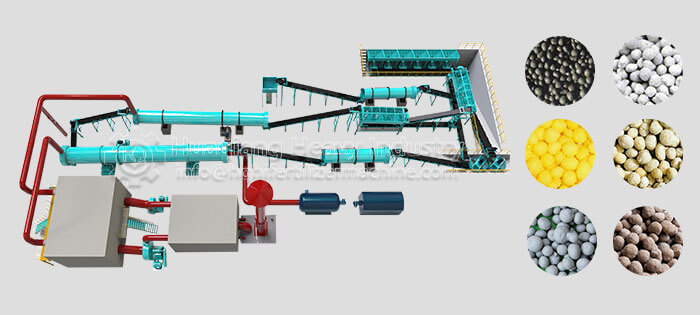
Organic fertilizer production lines paired with rotary drum granulators achieve efficient granule production

rotary drum granulator is an essential component for efficient granule production in organic fertilizer production lines. It is highly compatible with the production line, seamlessly integrating the entire process from material pretreatment to granule formation.

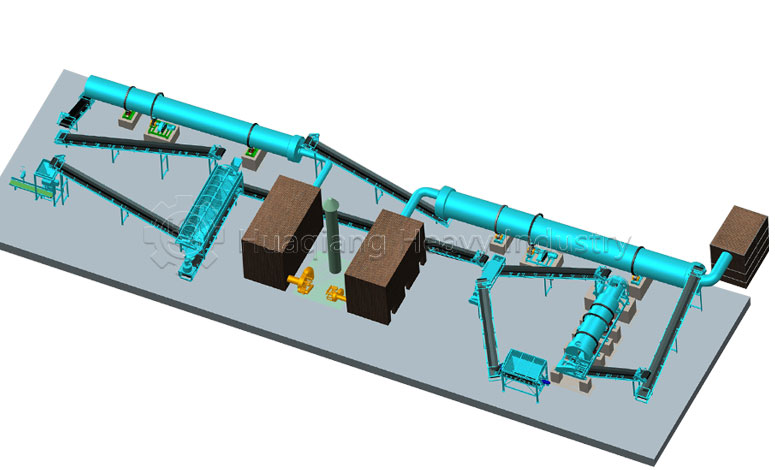
In the organic fertilizer production line, pre-treated materials, including crushing and mixing, are evenly fed into the rotary drum granulator. The rotating drum drives the materials into a tumbling and collision pattern. Combined with a spray system to precisely control moisture and binder dosage, uniform and dense organic fertilizer granules are quickly formed. Subsequently, the rotary drum granulator can be directly connected to cooling, screening, and packaging equipment, completing the entire production process.

Compared to other granulation equipment, the rotary drum granulator offers significant advantages in organic fertilizer production. Its flexible operation allows for customized adjustment of parameters such as speed and tilt angle to adjust granule size and strength. Its stable structure, smooth operation, and easy maintenance ensure long-term stable production line operation, helping companies achieve large-scale, high-quality organic fertilizer production.

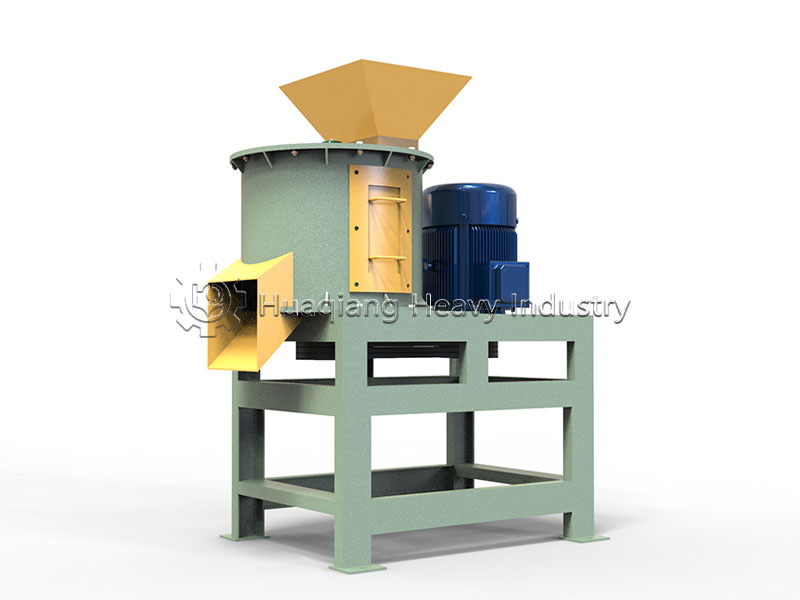
Organic fertilizer equipment fertilizer crusher: Efficient crushing process and operation guide

The fertilizer crusher is a key piece of equipment in an organic fertilizer production line. Its main job is to grind fermented organic materials (like livestock manure, crop stalks, and mushroom residue) into an even, fine powder. This ensures stability in later steps like granulation or packaging. How well it breaks down the material directly affects the quality of the final fertilizer and the production efficiency.

How It Works

1.Feeding and Initial Crushing

Material is fed into the hopper, either by conveyor belt or manually. High-speed rotating blades or hammers cut and break down large chunks into smaller pieces.

2.Fine Grinding

Inside the crushing chamber, the material gets hit repeatedly by hammers, teeth, or screens. It also gets rubbed and sheared. This breaks it down gradually into tiny particles (usually 1-5mm).

3.Screening and Discharge

Particles small enough to pass through the screen at the bottom are discharged. Material that’s still too coarse stays in the chamber for more grinding, ensuring a uniform final product size.

Operating Guidelines

1.Before Starting

Make sure the power voltage is stable and all bolts are tight. Check the crushing chamber is clear of hard objects (like stones or metal) to avoid damaging the blades.

2.During Operation

Feed evenly: Avoid overloading the machine, which can cause blockages or motor overload.

Moisture control: Keep raw material moisture content ≤30%. Wet material tends to stick to the screen.

3.Maintenance and Care

Lubricate bearings regularly.

Replace worn blades/hammers (generally check every 300 hours). Clean the screen after stopping to prevent corrosion and clogging.

In short, the fertilizer crusher is vital for improving fertilizer quality. Using it correctly extends the machine’s life and guarantees efficient grinding.

Organic fertilizer production line: Efficiently processing organic waste for a better environment

Organic fertilizer production lines use scientific processes to turn various organic waste materials into high-quality organic fertilizer. This not only cuts down on environmental pollution but also improves soil fertility and supports eco-friendly farming.

1.Reducing Waste Pollution

Traditional methods like burning or burying organic waste release harmful gases like methane (CH₄) and hydrogen sulfide (H₂S), which worsen the greenhouse effect. Organic fertilizer production line use aerobic fermentation technology to convert waste into fertilizer, greatly reducing pollution.

2.Solving Soil Degradation

Long-term use of chemical fertilizers causes soil hardening and loss of organic matter. Organic fertilizer, rich in humic acid and microorganisms, helps soil hold water and nutrients, boosts beneficial microbes, reduces soil-borne diseases, and improves crop resilience.

3.Promoting Circular Agriculture

Organic fertilizer lines create a circular model: Waste→Fertilizer→Farming. This helps farmers cut chemical fertilizer use, lower costs, and improve crop quality—all in line with green food production.

Organic fertilizer production line tackles the challenge of organic waste disposal while driving eco-farming and green cultivation. Whether it’s livestock farms, agricultural farms, food processing plants, or city waste centers—these lines turn waste into a resource.

Double roller press granulators: What types of organic fertilizer production lines are they suitable for?

Double roller press granulators are widely used equipment in organic fertilizer production lines. They work by pressing powdered raw materials into granules using two counter-rotating rollers. Known for being efficient, energy-saving, and highly adaptable, they are essential in modern organic fertilizer production.

1.Suitable Types of Organic Fertilizer Production Lines
Manure-Based Organic Fertilizer Lines: Especially good for processing raw materials like chicken, pig, or cow manure, effectively pressing fermented manure powder into uniform granules.
Agricultural Waste Organic Fertilizer Lines: Suitable for granulating organic fertilizer made from agricultural waste like straw, rice husks, or wood chips. They handle this material well.
Municipal Sludge Organic Fertilizer Lines: Can press treated municipal sewage sludge mixed with additives into granular fertilizer.
Compound Organic Fertilizer Lines: Suitable for producing organic-inorganic compound fertilizers, allowing the addition of various trace elements and functional ingredients.
Bio-Organic Fertilizer Lines: Suitable for granulating organic fertilizers containing beneficial microbial agents. The low-temperature extrusion process doesn’t harm the microbes.

2.Points to Consider When Choosing a Double Roller Press Granulator
When selecting this type of granulator, consider factors like the material properties, required output, and desired granule size. It’s recommended to choose the right model and setup based on your specific production needs to ensure the best efficiency and product quality.

In summary, with their excellent performance and wide applicability, double roller press granulators provide organic fertilizer producers with an efficient and cost-effective granulation solution.

How to scientifically determine the scale and configuration of an organic fertilizer production line?

Deciding the scale and setup of organic fertilizer production line is the first step before production. Choosing the right scale can boost efficiency and reduce operating costs. Here are key factors to consider:

1.Raw Material Supply: Based on daily available materials (like livestock manure, crop stalks, etc.). Annual capacity typically ranges from 10,000 to 100,000 tons.

2.Market Demand: Analyze your target market size and sales radius.Small lines (under 5,000 tons/year) suit local sales.Large lines (over 50,000 tons/year) can target broader regions.

3.Site Conditions: Production lines need space—from hundreds to tens of thousands of square meters. Plan ahead.

Core Equipment for an Organic Fertilizer Production Line

1.Pre-treatment: Dehydrators, crushers, etc., to reduce initial moisture (usually below 60%).

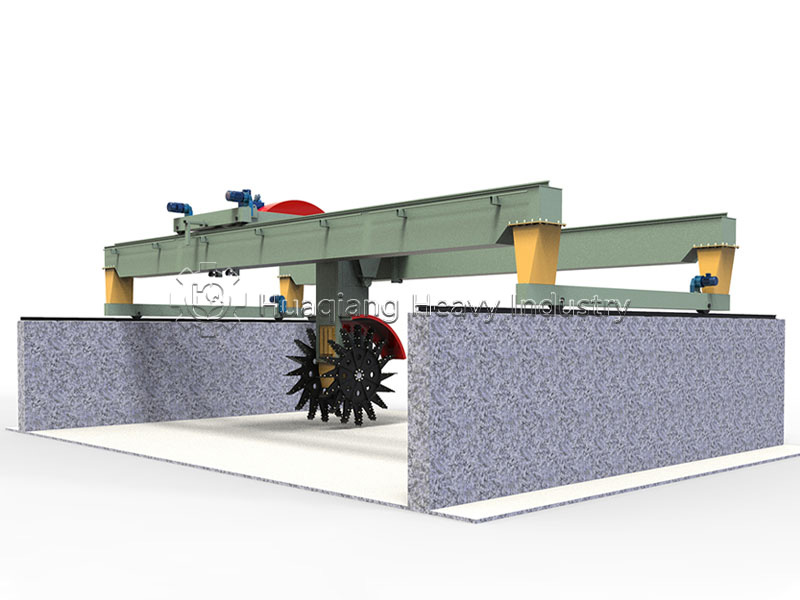
2.Fermentation: Trough turners or chain-plate fermenters; fermentation takes 15-20 days.

3.Refining: Crushers, mixers, granulators (disc or drum type), dryers.

4.Packaging: Auto-weighing baggers for efficient packing.

Cost and Payback Analysis

Small line: ¥500,000 – ¥1 million. Medium line: ¥2 – ¥5 million. Large line: ¥8 million+

Consider:Automation level (semi-auto or full-auto). Environmental standards (dust/deodorizing systems). Energy use (gas, electricity costs).

In short, reasonable planning of the scale and configuration of the organic fertilizer production line can ensure that the organic fertilizer production project achieves the best economic benefits.

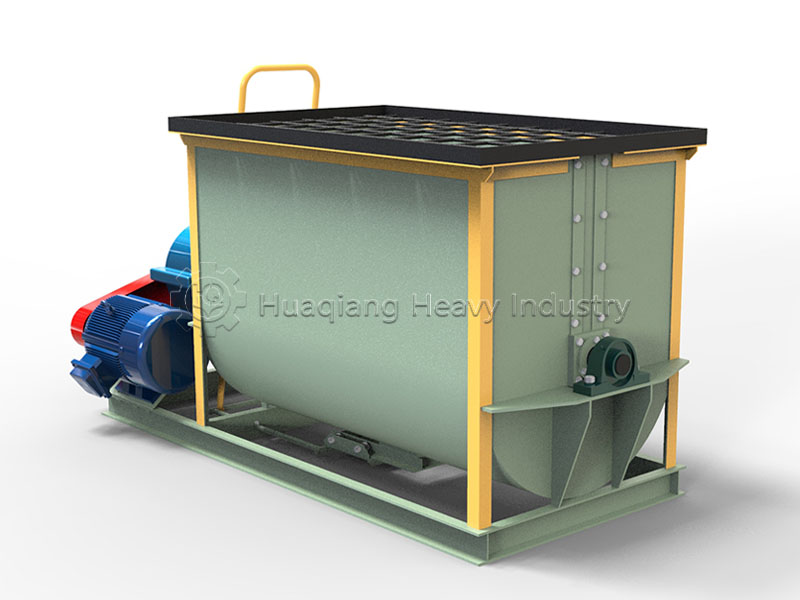
Precautions for operation of organic fertilizer equipment fertilizer mixer

In organic fertilizer production lines, the mixer is key to blending raw materials evenly. Proper operation and maintenance boost efficiency, extend the fertilizer mixer’s life, and prevent safety risks.

1.Pre-Start Checks

Inspect fasteners: Tighten any loose bolts, nuts, or connectors to prevent detachment during operation.

Lubrication: Apply oil to bearings, gears, and other critical parts to reduce friction.

Belts or chains: Check tension to avoid slipping or breaking.

Mixing blades: Ensure blades aren’t bent, worn, or jammed with debris to maintain mixing quality.

2.Operating Procedures

Feed evenly: Avoid overloading the mixer to prevent motor strain or uneven mixing.

Control mixing time: Mix materials thoroughly, but don’t overdo it—excessive time wastes energy.

Monitor operation: Watch for unusual noises or overheating motors; shut down immediately if anything seems off.

No unsafe actions: Never reach into the mixer while it’s running—this is a major safety hazard.

3.Post-Use Maintenance

Clear residue: Remove leftover fertilizer to prevent clumping that could affect future batches.

Check wear parts: Replace worn blades, seals, or other components promptly.

Regular lubrication: Keep bearings and gears well-oiled to minimize wear.

A well-maintained fertilizer mixer ensures consistent fertilizer quality. Following these steps—proper operation, routine checks, and quick fixes—improves efficiency and cuts repair costs.

Granulation Process and Equipment Advantages of the New Type Organic Fertilizer Granulator

The new type organic fertilizer granulator utilizes the mechanical agitation force of high-speed rotation and the resulting air dynamics to continuously mix, granulate, spheroidize, and compact fine powders within the machine, achieving the desired granulation effect.

The resulting granules are spherical with a sphericity ≥0.7, a particle size generally ranging from 0.3 to 3 mm, and a granulation rate ≥80%. Particle size can be adjusted appropriately by adjusting the material mixing ratio and spindle speed. Generally, lower mixing ratios and higher spindle speeds result in smaller particles, and vice versa. This machine is suitable for granulating lightweight, fine powders. The finer the basic particles of the fine powder, the higher the sphericity and the better the particle quality. The particle size before granulation is generally required to be less than 300 mesh.

Typical applications of the new type organic fertilizer granulator include chicken manure, pig manure, cow dung, charcoal, clay, kaolin, and other materials. The new type organic fertilizer granulator boasts uniform granulation and a yield rate exceeding 97%, making it the optimal granulation equipment for organic-inorganic compound fertilizers, organic fertilizers, and bio-organic fertilizers. Due to the coarse fiber properties of the material, rotary granulators have a lower granulation rate, while agitator-type granulators cannot process materials with a nitrogen content exceeding 8% (due to sticking to the wall). This granulator overcomes the shortcomings of both, capable of producing both organic and organic-inorganic compound fertilizers with low energy consumption and high-quality granulation.

The new type organic fertilizer granulator‘s housing is welded from thickened, high-quality carbon steel plates. Ancillary equipment includes pulley assemblies, transmission components, a blower head, and a blower tail. The entire machine is sturdy and durable. The core agitator is precision-cast from a high-chromium alloy and undergoes a special heat treatment, resulting in wear resistance over three times greater than that of ordinary steel. It can withstand the high-frequency friction of fine powders for long periods of time. The main shaft and agitator blades feature a modular design and are fastened with high-strength bolts, enabling easy assembly and simple component replacement, reducing maintenance costs. Adjustable support feet on the bottom of the machine adapt to the flatness of the site, ensuring stable operation and reducing vibration-induced noise and component wear.

Cost Analysis of Chicken Manure Fertilizer Processing in an Organic Fertilizer Production Line

Chicken manure is indeed a high-quality organic fertilizer raw material, rich in organic matter, nitrogen, phosphorus, potassium, various trace elements, enzymes, and microorganisms. Through standardized aerobic composting processes, it effectively degrades organic matter, kills parasite eggs and pathogens, and renders it harmless and stable. This can then be produced into commercial organic fertilizer through an organic fertilizer production line, creating economic benefits for chicken farms while fundamentally addressing environmental pollution.

However, processing chicken manure into commercial organic fertilizer does involve certain production costs, which can be primarily categorized into the following aspects. First, equipment investment is the core, one-time investment. A complete production line typically includes fermentation and compost turning equipment, a crusher, a mixer, a granulator, a dryer, a cooler, a screener, and an automatic packaging machine. The choice of granulator significantly impacts cost and product form. For example, a rotary drum granulator offers high output, a disc granulator offers a high granulation rate, and a flat die granulator is suitable for organic materials. Different granulator models have varying prices and energy consumption. Secondly, the costs of the pretreatment and fermentation processes cannot be ignored. Fresh chicken manure is sticky and moist, typically with a moisture content exceeding 70%, while the optimal fermentation moisture content needs to be adjusted to 50%-60%. Therefore, a large amount of auxiliary materials (such as straw, sawdust, and mushroom residue) are often required to adjust the moisture and carbon-nitrogen ratios. The procurement, transportation, and crushing of these auxiliary materials all incur ongoing costs.

The initial equipment investment for processing chicken manure in an organic fertilizer production line is relatively high, and ongoing operations also require ongoing investment. The cost level depends largely on the production scale, the degree of automation, the availability and price of raw materials, and the positioning of the final product. For large-scale chicken farms, although the initial investment is high, in the long run, the comprehensive benefits of addressing environmental pressures and creating economic value by turning waste into resources are significant, making the cost acceptable.

Back To Top