Tag: fertilizer compaction machine

Different fertilizer types require special adaptation requirements for ring die granulators

In fertilizer production, ring die granulators must adjust core parameters based on the characteristics of different raw materials, such as organic fertilizer, compound fertilizer, and slow-release fertilizer, to ensure optimal granulation.

For organic fertilizers, whose raw materials often contain fiber components such as straw and fermented manure, ring die granulators require large-aperture ring dies (typically 8-12mm) and anti-entanglement rollers to prevent fiber entanglement and pelletizing stalls. Furthermore, the steam injection time should be appropriately extended during the conditioning stage to enhance the viscosity of the fiber raw material.

If producing bio-organic fertilizers containing live bacteria, a rapid cooling device should be added after granulation to reduce the pellet temperature to below 35°C to prevent high temperatures from killing the live bacteria.
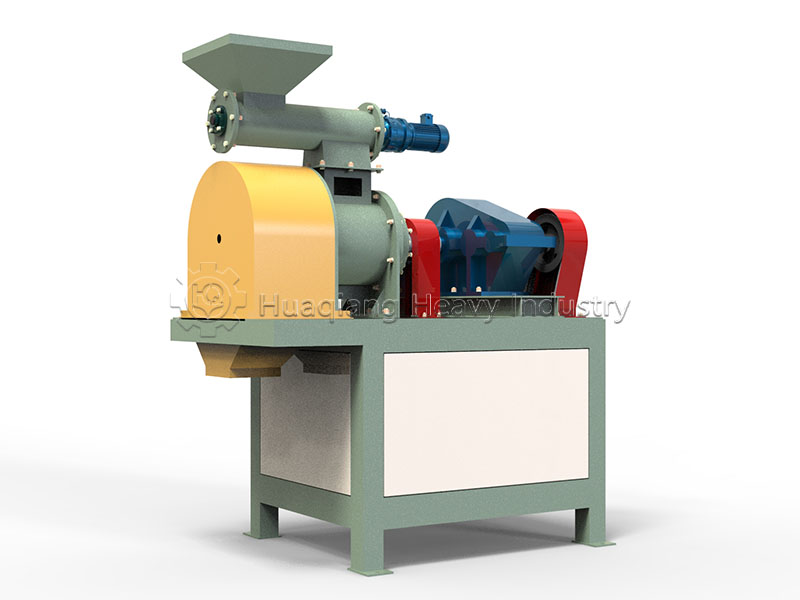
Compound fertilizer raw materials are primarily nitrogen, phosphorus, and potassium powders, which are prone to moisture absorption and agglomeration. Therefore, granulators require ring dies made of wear-resistant materials (such as alloy steel) to minimize wear on the die holes, and the roller pressure must be precisely controlled. Excessive pressure can cause components like nitrate nitrogen in the raw materials to decompose and be lost due to the high extrusion temperature, while too little pressure can cause the granules to become loose.

Slow-release fertilizers, however, contain special ingredients like coating agents, so the ring die granulator requires a lower extrusion temperature (below 30°C). This is usually achieved by reducing the roller speed (from 30 rpm to 20 rpm) and adding a cooling device to prevent high temperatures from damaging the slow-release coating structure and ensure the fertilizer’s slow-release effect.

Practical optimization directions for energy saving and consumption reduction in fertilizer coating machines

Currently, fertilizer companies are focusing on controlling production costs. Through proper optimization, coating machines can achieve energy savings and consumption reduction, helping companies lower operating costs.

First, energy saving in the heating system. Some coating machines utilize a waste heat recovery design. A heat exchanger is installed at the heat sealing channel outlet to collect the exhaust hot air and preheat the incoming cold air, reducing heat consumption in the heating tubes. This design reduces heating energy consumption and is particularly suitable for companies with continuous production, with significant energy savings over the long term. Furthermore, variable frequency heating tubes are used, which automatically adjust power based on particle flow rate. For example, when production capacity drops to 50%, heating power is also reduced, avoiding high-temperature operation and wasting energy during idle periods.

Second, motor frequency conversion modification. The equipment’s conveyor belts, film reels, and other motors utilize variable frequency control. During production, the PLC system is linked to a particle flow sensor to automatically adjust motor speed based on particle flow rate. Compared to traditional fixed-speed motors, variable-frequency motors can save 10%-12% of electricity, operate more smoothly, and reduce noise by 5-10 decibels, improving the workshop working environment.

Third, film utilization is improved. Some coating machines support adaptive film width adjustment. When changing films of different widths, manual adjustment of the film guide mechanism is eliminated, and the optimal wrapping width is automatically matched. This reduces material loss during the commissioning process. Long-term use can significantly reduce raw material procurement costs, supporting enterprises in reducing costs and increasing efficiency.

Working principle of the fertilizer granule coating machine: Core design adapted to fertilizer characteristics

In fertilizer production, the core function of the coating machine is to address the issues of loose granules and their tendency to absorb moisture and agglomerate. Its workflow is precisely designed based on fertilizer characteristics.

First, during the granule conveying process, the coating machine utilizes an “anti-scattering conveyor belt + vibrating discharge mechanism” to prevent granule accumulation. A flow sensor controls the conveying rate, ensuring that each batch of granules enters the coating area evenly. Even with materials with complex ingredients and uneven particle sizes, such as compound fertilizers, this ensures a uniform distribution of granules of varying sizes, paving the way for subsequent coating.

Next, the film wrapping process occurs. To prevent fertilizers from absorbing moisture, PE or PP film is often used. A film guide mechanism, combined with a particle deflector, tightly wraps the granules from all sides. An adaptive tension system adjusts the film tension based on granule flow to prevent leakage or agglomeration. The heat-sealing and shaping process is particularly critical. The coating machine utilizes hot air circulation to achieve film shrinkage while preventing the loss of fertilizer components due to high temperatures. For example, urea fertilizers are prone to decomposition above 160°C, and precise temperature control maximizes nutrient retention. Zoned temperature control also prevents localized overheating that can lead to pellet clumping, ensuring that pellets remain loose after coating.

Finally, the packaging is cut to pre-set specifications and the bag opening is simultaneously compacted to ensure packaging integrity. This process addresses both fertilizer storage and transportation requirements, ensuring that the packaging is protected from damage and leakage, even during bumpy long-distance transport.

In the fertilizer granulator series, which granulation method is most suitable for large-scale production?

In the field of fertilizer production, granulation technology is a key link to improve the quality and efficiency of fertilizer. In the face of many fertilizer granulator series, choosing the most suitable for large-scale production of granulation methods, you need to consider many factors such as production efficiency, cost, product quality and operation convenience.
 

Fertilizer Granules Compaction Machine: representative of high efficiency

 
Fertilizer Granules Compaction Machine occupies a place in mass production for its high efficiency and good forming effect. The device extrudes material through a pair of rotating rollers to form particles. It is especially suitable for dealing with those materials with poor bonding, such as urea, phosphate fertilizer, etc., and can realize the molding of a large number of fertilizers in a short time. In addition, the Fertilizer Granules Compaction Machine consumes relatively low energy, is easy to maintain, is suitable for continuous and automated production processes, is one of the preferred equipment in large-scale production.

Flat-Die Pellet Machine: has high adaptability

 
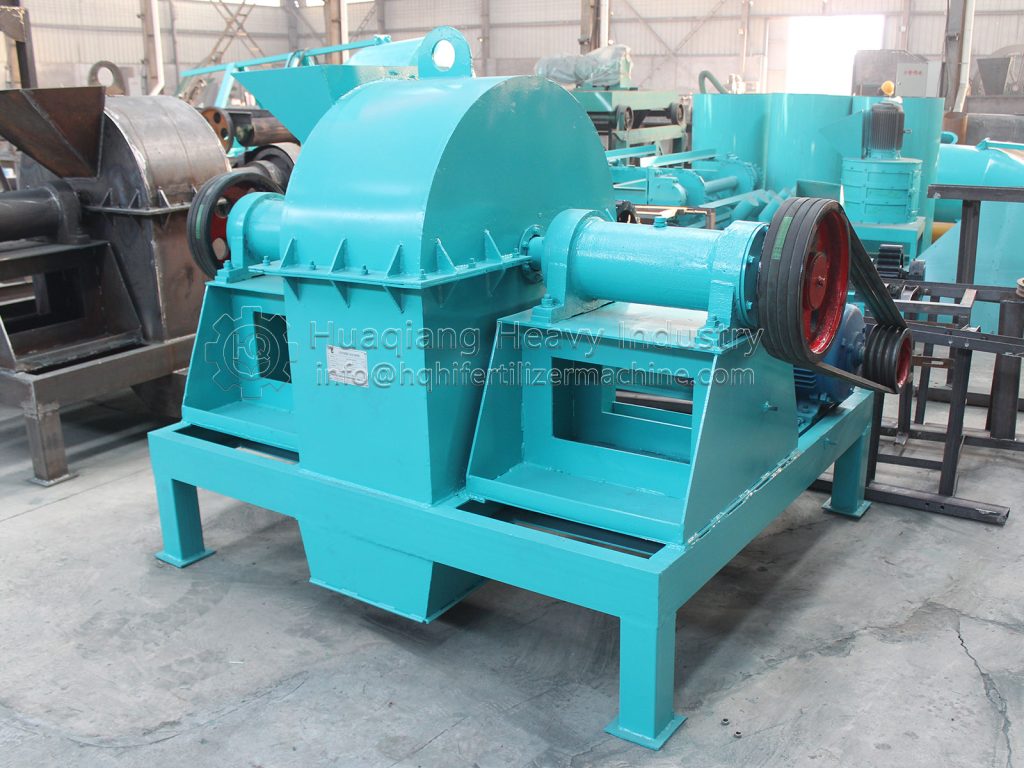
A Flat-Die Pellet Machine is used to press the material into particles of the desired shape by pressing the mold. This granulation method is highly adaptable to materials and can handle a variety of different types of fertilizer raw materials, including organic and inorganic fertilizers. Another advantage of the Flat-Die Pellet Machine is that the shape and size of the pellets can be adjusted by changing the mold to meet different market needs. However, Flat-Die Pellet machines are slightly less productive than Fertilizer Granules Compaction machines and may require more mold replacement and maintenance work in mass production.

Rotary Drum Granulator: Uniform particle quality

 
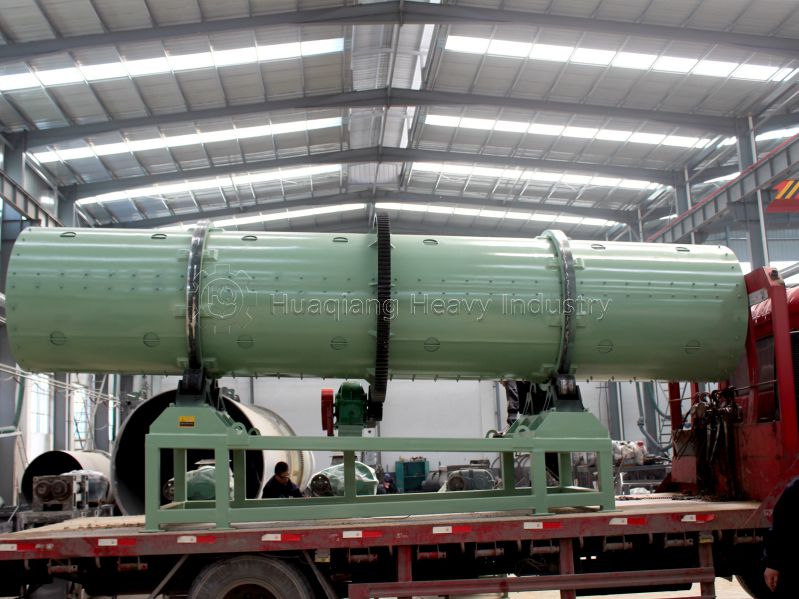
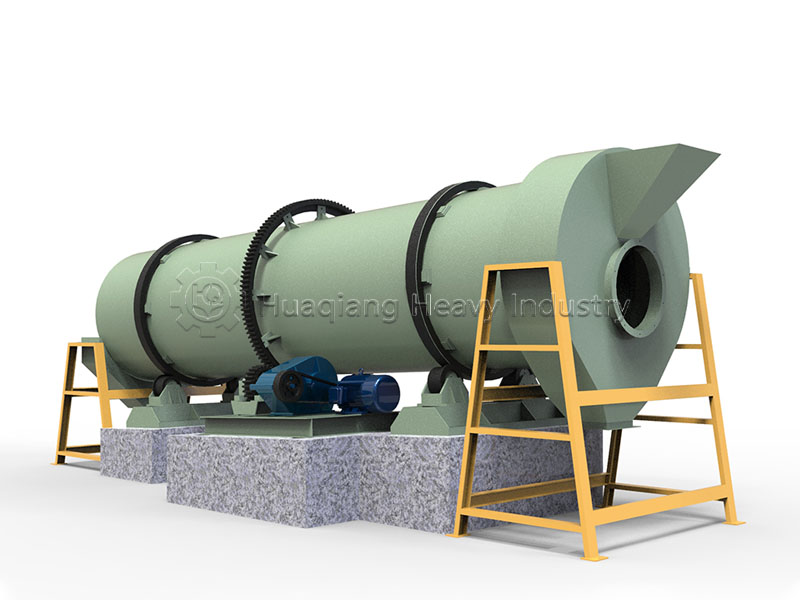
Rotary Drum Granulator turns and rounds materials by rotating the drum and an internal copy plate to form particles. This granulation method is suitable for the production of high-quality organic fertilizers, because the Rotary Drum Granulator can fully mix and form the material at a slower speed, thus ensuring the uniformity and quality of the particles. Rotary Drum Granulator has low energy consumption and wear during the production process and is suitable for long continuous operation, as well as for mass production.

Disc Granulator: Easy to operate

 
Disc Granulator By rotating a disc, the material rolls on the surface of the disc and gradually gathers into particles. This granulation method is simple to operate, easy to control, and suitable for small and medium-sized production. The investment cost of Disc Granulator is relatively low, but its production efficiency and pellet forming effect may not be as good as that of Fertilizer Granules Compaction Machine and Rotary Drum Granulator. Therefore, it may not be optimal in mass production.

conclusion

 
Considering production efficiency, cost, product quality and operation convenience, Fertilizer Granules Compaction Machine and Rotary Drum Granulator have more advantages in mass production. Fertilizer Granules Compaction Machine, with its high efficiency and low energy consumption, is especially suitable for treating materials with poor adhesion, while Rotary Drum Granulator, because of its uniform particle quality and low operating cost, Suitable for the production of high quality organic fertilizer. According to the characteristics and production needs of different fertilizer raw materials, choosing the right granulator is the key to ensure the quality and production efficiency of fertilizer products.

Analysis of the working principle of a cage crusher for fertilizer grinding

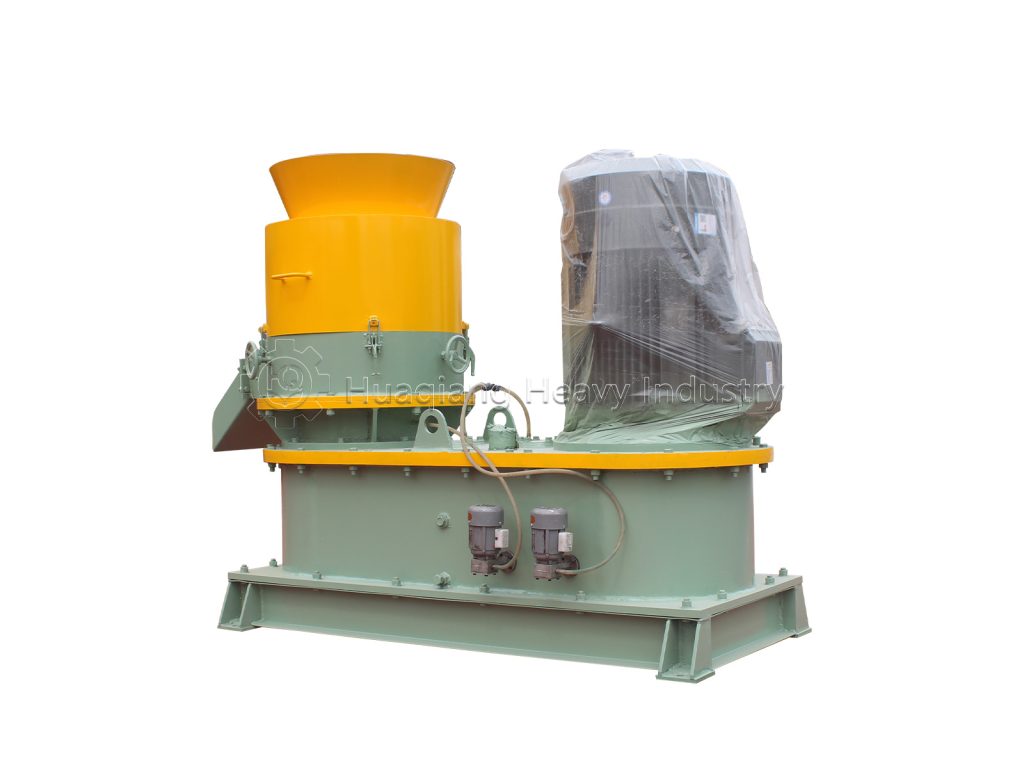
In modern industrial production, material pulverization is a crucial step. Cage crushers, with their unique performance and efficient operation, stand out among numerous pulverizing equipment and have become a valuable tool in many industries.

Cage crushers are primarily designed based on the principle of impact pulverization. Their core structure consists of two counter-rotating cage rotors equipped with numerous impact bars or claws. When material enters the grinder through the feed inlet, it is rapidly propelled by the high-speed rotating cages. These cages typically rotate at speeds between 800 and 1500 rpm, generating strong centrifugal forces. Under this high-speed rotation, the material is subjected to multiple, intense impacts from the impact bars or claws of the counter-rotating cages.

In addition to the impact, the material also collides within the cages, generating shear forces that further aid in pulverization. This repeated impact and collision effectively reduces lumpy or larger particles into the desired fine size.

Moreover, operators can optimize the crushing effect and meet diverse production needs by adjusting parameters such as the cage crusher’s rotation speed, the number and arrangement of beating rods or claws, according to different material properties and finished product particle size requirements.

Disc granulator: High-efficiency granulation equipment for fertilizer production

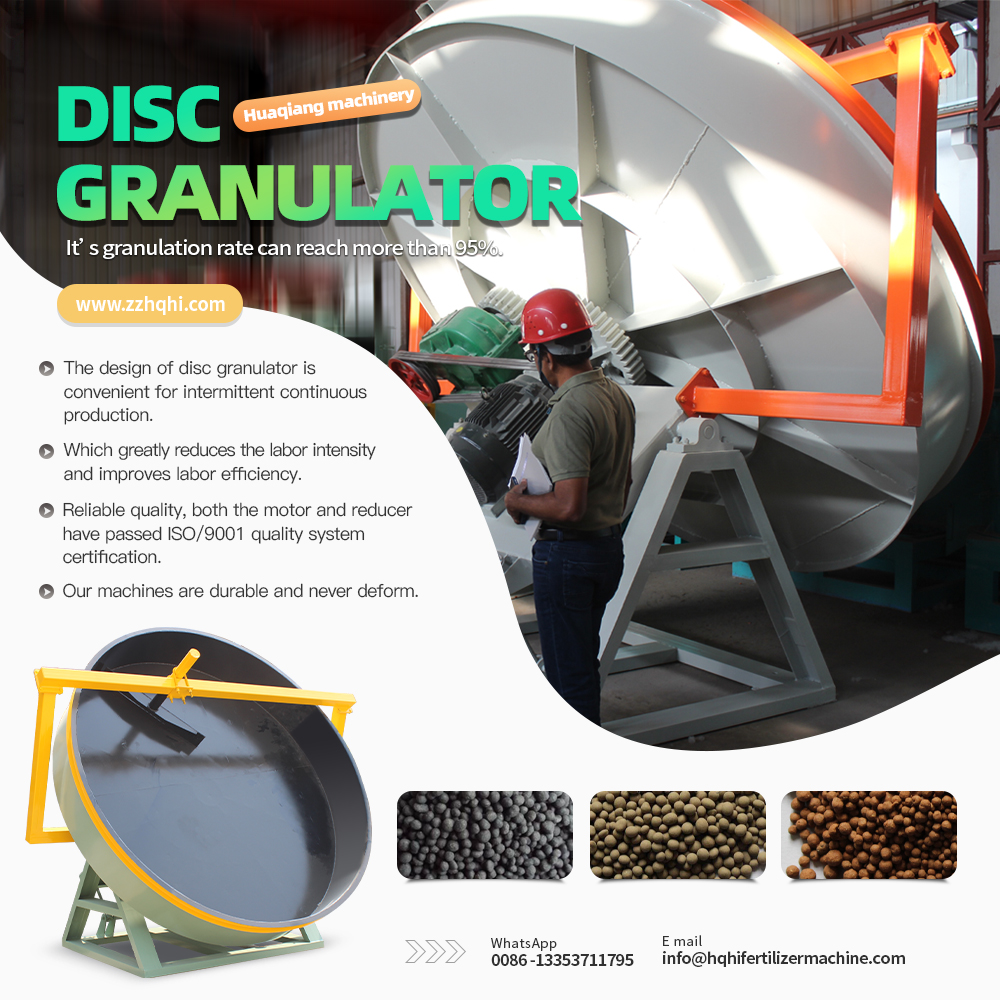
In fertilizer production, selecting the right granulation equipment directly impacts product quality and production efficiency. Disc granulators, with their outstanding advantages, have become the preferred choice for many companies. As a common fertilizer granulator, they boast a granulation rate exceeding 95%. They can convert powdered or lumpy fertilizer raw materials into granules. The resulting granules have excellent sphericity and high strength, making them easy to store and transport, while also improving fertilizer utilization.

Disc granulators are highly adaptable to fertilizer raw materials, efficiently processing everything from organic fertilizers like livestock and poultry manure and fermented straw to inorganic compound fertilizers containing nitrogen, phosphorus, and potassium. Operating them simply, they easily control the granulation process by adjusting the disc’s tilt angle, rotation speed, and the amount of water or binder applied, meeting the production requirements of diverse fertilizer specifications.

At the same time, compared with other granulation equipment, the disc granulator has lower energy consumption, can effectively reduce the production and operation costs of enterprises, bring significant economic benefits to fertilizer production enterprises, and is an important equipment to promote the efficient development of the fertilizer industry.

Beyond NPK: Other important nutrients in organic fertilizers and their effects

In modern agricultural Production, we often hear the term “Fertilizer Production Line,” which covers the production of a range of fertilizers, from nitrogen fertilizer to phosphate fertilizer to potassium fertilizer. However, in addition to these well-known NPK fertilizers, other important nutrients in organic fertilizers are equally indispensable. Today, we talk about these unsung heroes.
First, let’s introduce the Organic Fertilizer Production Line. Imagine that you are a farmer and your land needs a special kind of nourishment. At this time, the Organic Fertilizer Production Line is like a chef. It converts various organic raw materials, such as livestock manure and crop stalks, into nutrient-rich organic fertilizers through a series of processing processes, such as compost treatment. These fertilizers not only provide a variety of trace elements needed for plant growth, but also improve the soil structure and enhance the soil’s water retention and permeability.
Next, let’s talk about Rotary Drum granulators. The Rotary Drum Granulator plays a vital role in the production of organic fertilizers. It extrudes the mixed raw materials into pellets through a rotating drum, which not only facilitates the storage and transportation of fertilizers, but also improves the application efficiency of fertilizers. Granular organic fertilizers can be more evenly distributed in the soil when applied, thus better promoting plant absorption.
12_1
Now, let’s look at what Cage Crusher does. Cage Crusher is an integral part of the production line of organic fertilizers. It is able to crush large chunks of urea or other fertilizer raw materials into fine particles, which helps to improve the dissolution rate of fertilizer and the absorption efficiency of plants. In this way, the fertilizer can be used more quickly by the plants, thus increasing the yield and quality of the crops.
Finally, let’s talk about the Horizontal Ribbon Mixer. In the fertilizer production process, the Horizontal Ribbon Mixer plays an important role in ensuring the uniform mixing of raw materials. It fully mixes various raw materials through a horizontal rotating spiral belt, ensuring the uniform distribution of various nutrients in the fertilizer. This even mixing is essential to improve the effectiveness of the fertilizer, as it ensures that each grain of fertilizer provides a balanced amount of nutrients.
Through the above introduction, we can see that other important nutrients in organic fertilizers and their roles are multi-faceted. They not only provide rich nutrients for plants, but also contribute to the health of the soil and the growth of crops. Equipment such as fertilizer production lines, Rotary Drum Granulator, Cage Crusher and Horizontal Ribbon Mixer are key tools to achieve this goal. Understanding these devices and their role is important for improving the efficiency and sustainability of agricultural production.

How do I establish an organic fertilizer production line?

With the increasing attention to environmental protection and sustainable development, organic fertilizer has been widely concerned because of its ability to improve soil structure and crop quality. The establishment of an efficient Organic Fertilizer Production Line can not only meet the market demand, but also promote the green development of agriculture.
 

1. Planning and design

 
First, you need detailed planning and design of the Organic Fertilizer Production Line. This includes determining the size of the production line, the capacity, the process flow and the equipment required. In the planning process, factors such as the source, cost and transportation of raw materials should be fully considered to ensure the economic benefits and sustainability of the production line.

2. Selection of fertilizer production line

 
The fertilizer production line is the core part of the entire production process. Depending on your Production needs, you can choose from different types of Fertilizer Production lines, such as NPK Fertilizer Production Line, Organic Fertilizer Production Line, etc. These lines typically include raw material handling, mixing, granulation, drying, cooling and packaging. Choosing the right production line can greatly improve production efficiency and product quality.

3. Application of Rotary Drum Granulator

 
Rotary Drum Granulator is one of a series of fertilizer granulators that granulates raw materials through a rotating drum. The granulator is suitable for a variety of raw materials, including organic and Complex fertilizers. The advantages of Rotary Drum Granulator are its efficient granulation capacity and low energy consumption, which can meet the needs of large-scale production.
12_1

4. The importance of Windrow Compost Turning Machine

 
In the production process of organic fertilizer, the Windrow Compost Turning Machine plays a vital role. By turning the compost, it promotes the decomposition of organic matter and the activity of microorganisms, thus accelerating the maturation process of the compost. This equipment not only improves the quality and efficiency of the compost, but also helps to reduce undesirable odors and environmental pollution.

5. Innovation of Organic-Inorganic Fertilizer Compound Fertilizer

 
Organic-Inorganic Fertilizer Compound Fertilizer is a product that combines the advantages of organic and inorganic fertilizers. It can provide a variety of nutrients needed by plants, while improving the soil structure and improving the resistance of crops to disease. When establishing Organic Fertilizer Production Line, considering the production of organic and inorganic compound fertilizers can increase the market competitiveness of your products.
 

Conclusion

 
The establishment of Organic Fertilizer Production Line is a systematic project, which requires comprehensive consideration of many factors such as raw materials, equipment, process and market. By selecting the right Fertilizer Line, pelletizer, tiller and compound fertilizer technology, you can build an efficient, environmentally friendly and market-competitive Organic Fertilizer Production Line. This can not only meet the needs of modern agriculture for fertilizer, but also contribute to the sustainable development of agriculture.

Back To Top