Tag: double roller press granulator

When using windrow compost turning machines in different seasons, pay attention to key details

windrow compost turning machine isn’t a one-size-fits-all model. Adjusting details according to the season will ensure smooth fermentation of your organic fertilizer.

Spring’s high humidity and fluctuating temperatures can easily lead to a musty odor in the compost. When using a compost turner, increase the frequency of turning the compost. Instead of turning every two days, turn every 1.5 days in spring. Loosen the compost to allow moisture to escape, and monitor the temperature. If the temperature is below 50°C, slow the compost turner’s speed to allow for a more thorough turning, allowing microbial activity to raise the temperature.
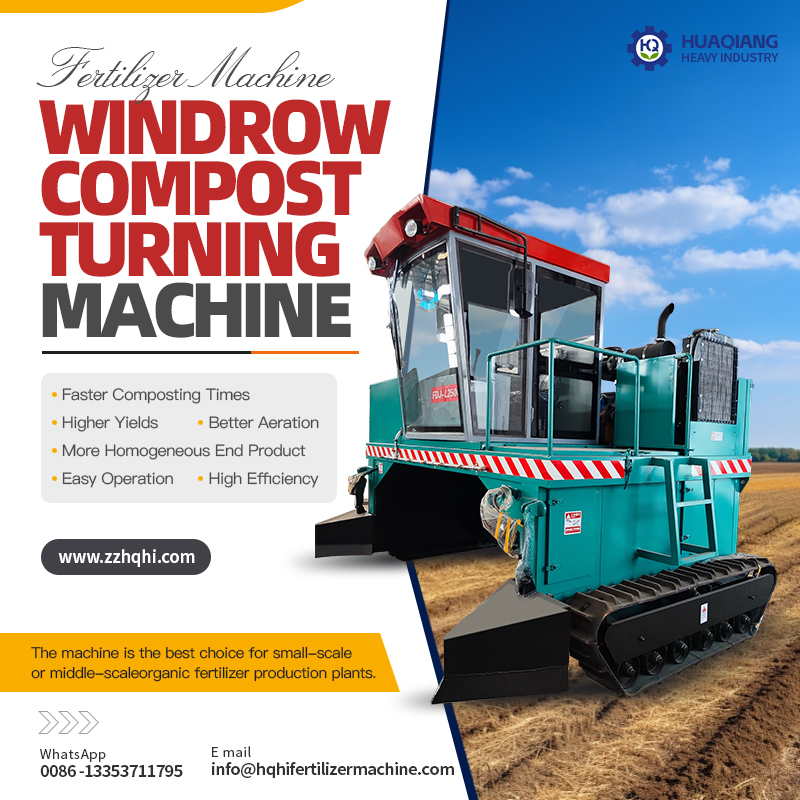
Summer temperatures are high, and the compost easily overheats (over 70°C kills beneficial bacteria). Reduce the depth of each turning to avoid bringing all the hot material below to the surface. Turn the compost once a day. Sprinkle a thin layer of soil on the surface after each turning to provide shade and reduce temperatures while preventing rapid evaporation.

Autumn is dry, and the pile is prone to dehydration and cracking. Use a windrow compost turning machine with an atomizer, spraying small amounts of water as you turn to maintain a humidity level of 50%-60%. Slow the turning speed to allow the water and raw materials to mix thoroughly and avoid patches of dryness or wetness.

Winter is cold, and the pile struggles to heat up. Reduce turning frequency to once every three days, avoiding frequent turning to disperse heat. When turning, pile the pile higher (1.2-1.5 meters). Try turning the cold material in the center with the windrow compost turning machine, covering the hot material on the outside to help retain heat and ferment.
How to adapt a BB fertilizer blender to different raw material characteristics?

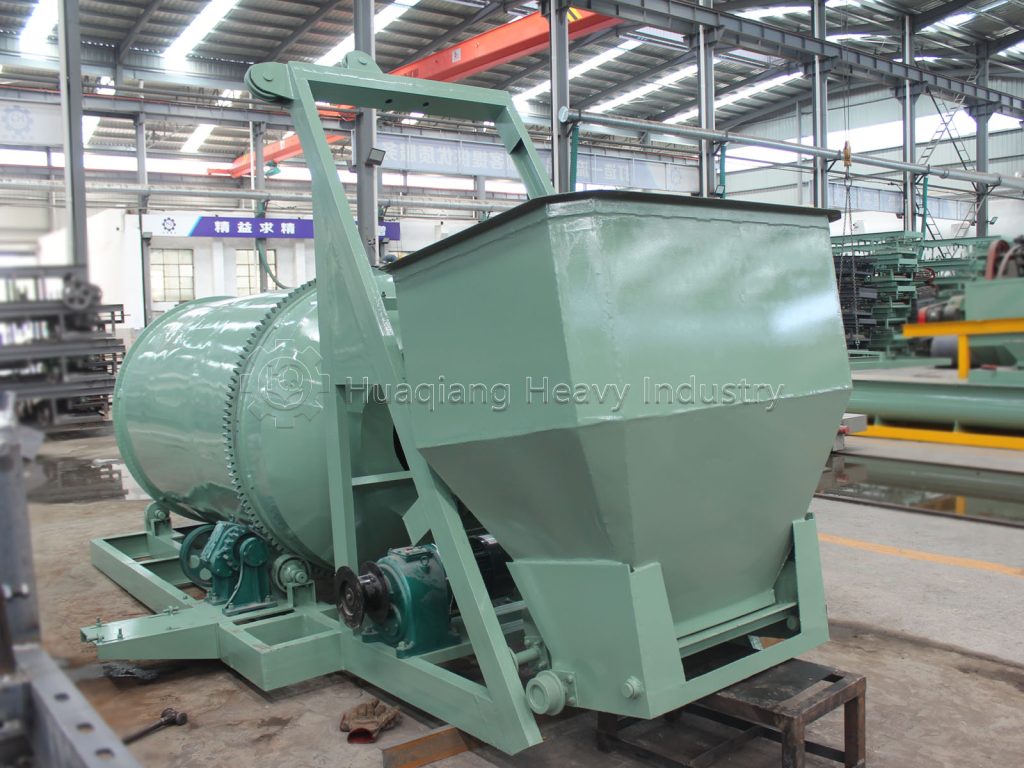
BB fertilizer raw materials come in a variety of forms (granular, powdered, and fiber-containing). BB fertilizer blenders require targeted adjustments to accommodate these different raw material characteristics and avoid mixing problems.

For pure granular raw materials (such as urea and diammonium phosphate granules), which have relatively small density differences but are prone to rolling and stratification, the BB fertilizer blender should be equipped with guide plates within the mixer drum to guide the raw materials into upward and downward circulation and control the feed order. Adding the denser diammonium phosphate first, followed by the lighter urea, can reduce initial stratification. The speed can be appropriately reduced in the later stages of mixing to prevent excessive collisions between particles that could lead to breakage.

If the raw materials contain powdered ingredients (such as potassium chloride powder or trace element powder), a dustproof seal should be installed at the BB fertilizer blender feed port to prevent dust from escaping. Additionally, an atomizing humidifier (control the humidity to ≤15%) should be installed within the mixer drum. A small amount of humidification can enhance adhesion between the powdered raw materials and the granules, preventing dust from becoming suspended.

When the raw materials contain fiber organic fertilizer (such as fermented straw powder), it is necessary to use a paddle with a shearing function to prevent the fibers from entangled and clumping. At the same time, the fiber raw materials should be crushed to less than 3mm in advance to reduce mixing resistance. During the mixing process, the machine can be stopped and observed every 3 minutes. If fiber clumps are found, the paddle angle needs to be adjusted to enhance the shearing and dispersion effect to ensure that the fibers and granular fertilizer are fully integrated.

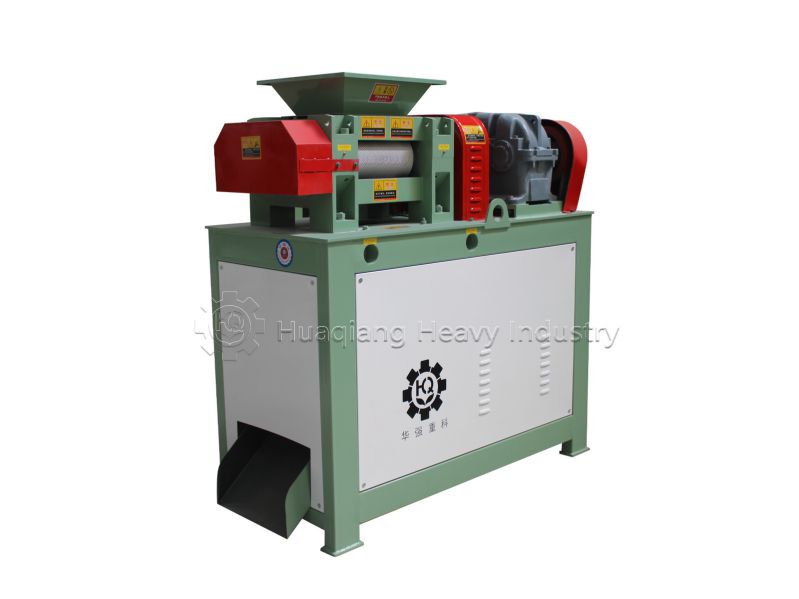
Double roller press granulators: What types of organic fertilizer production lines are they suitable for?

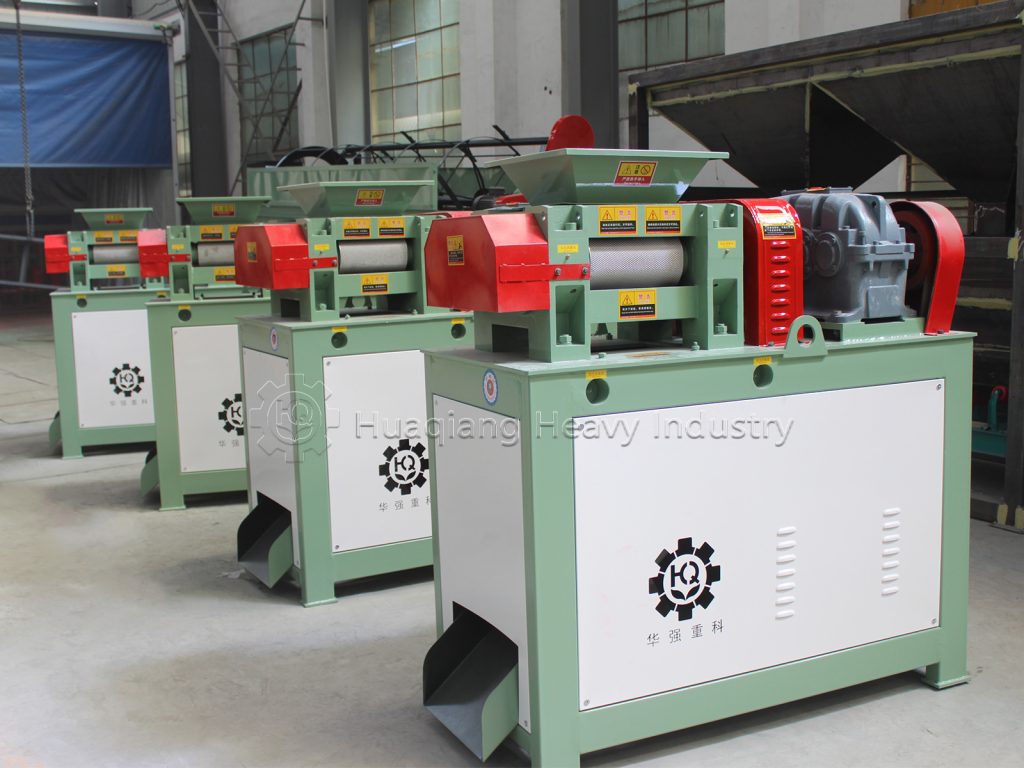
Double roller press granulators are widely used equipment in organic fertilizer production lines. They work by pressing powdered raw materials into granules using two counter-rotating rollers. Known for being efficient, energy-saving, and highly adaptable, they are essential in modern organic fertilizer production.

1.Suitable Types of Organic Fertilizer Production Lines
Manure-Based Organic Fertilizer Lines: Especially good for processing raw materials like chicken, pig, or cow manure, effectively pressing fermented manure powder into uniform granules.
Agricultural Waste Organic Fertilizer Lines: Suitable for granulating organic fertilizer made from agricultural waste like straw, rice husks, or wood chips. They handle this material well.
Municipal Sludge Organic Fertilizer Lines: Can press treated municipal sewage sludge mixed with additives into granular fertilizer.
Compound Organic Fertilizer Lines: Suitable for producing organic-inorganic compound fertilizers, allowing the addition of various trace elements and functional ingredients.
Bio-Organic Fertilizer Lines: Suitable for granulating organic fertilizers containing beneficial microbial agents. The low-temperature extrusion process doesn’t harm the microbes.

2.Points to Consider When Choosing a Double Roller Press Granulator
When selecting this type of granulator, consider factors like the material properties, required output, and desired granule size. It’s recommended to choose the right model and setup based on your specific production needs to ensure the best efficiency and product quality.

In summary, with their excellent performance and wide applicability, double roller press granulators provide organic fertilizer producers with an efficient and cost-effective granulation solution.

The unique working principle of the double roller press granulator

The reason why the double roller press granulator can occupy an important position in the organic fertilizer granulation equipment is inseparable from its unique working principle, which also allows it to show many advantages.  Its working process is clear and straightforward. First, the pre-treated dry powder raw material is conveyed between two relatively rotating rollers. The surface of this pair of rollers is usually provided with specific lines or grooves. Under the action of strong extrusion force, the raw material is tightly squeezed to form continuous flakes. These flakes then enter the crushing device and are crushed into particles of different sizes. Next, the particles will go through the screening stage, and the fine powder or large particles that do not meet the requirements will be separated and sent back to the granulation system, while the qualified particles will become the final product.

This working principle brings significant advantages. There is no need to add a lot of water, and the subsequent drying step is omitted, which not only saves energy, but also maintains the original nutritional content of the raw materials. The whole process is coherent and efficient, from the entry of raw materials to the output of qualified particles, which can be completed in one go and quickly meet production needs. At the same time, due to the physical extrusion granulation, it has strong adaptability to raw materials, and a variety of organic raw materials can be made into granules in this way.

The double roller press granulator has become an efficient and practical granulation choice in the organic fertilizer production line due to its scientific working principle, helping producers improve efficiency and ensure quality.

The unique features of the roller press granulator production line

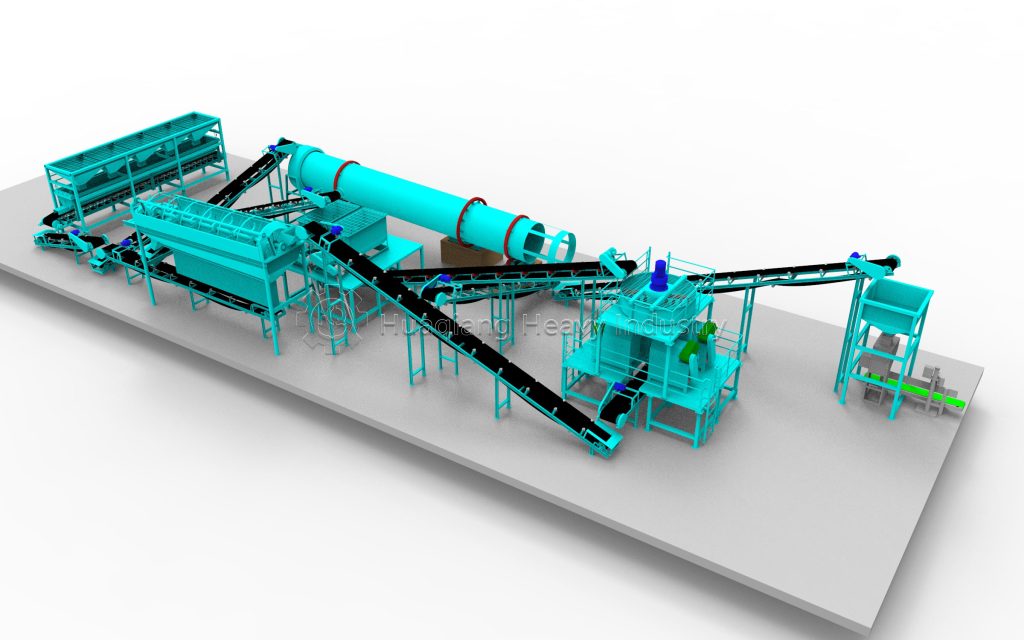
The roller press granulator production line is specially designed for compound fertilizer production. With its core advantages of precise proportioning and efficient granulation, it has become an ideal choice for balancing nutrients and improving fertilizer efficiency, injecting strong momentum into the company.

Its core competitiveness lies in its precise control of compound nutrients. The automatic batching system precisely blends nitrogen, phosphorus, potassium, and trace elements according to crop needs. The double axis mixer quickly blends the raw materials, preventing uneven nutrient distribution and laying a foundation for high-quality granulation.

The granulation process offers unique advantages. The double roller press granulator uses counter-rotating high-strength rollers to squeeze the material into thin flakes, which are then crushed and screened to form uniform granules. No binders are required, and the purely physical action preserves nutrient activity. The granules are high in hardness and have a controllable dissolution rate, meeting the needs of different soils and crops, thereby improving fertilizer utilization.

The production line features a compact, efficient, and adaptable process. From raw material proportioning and mixing to granulation and screening, each step is seamlessly integrated, forming a continuous closed loop. For high-concentration, slow-release, and controlled-release compound fertilizers, granule specifications can be adjusted by adjusting the roller pressure and speed to meet diverse needs. A return system returns unqualified granules back to the production line, improving raw material utilization and reducing production costs.

The equipment offers outstanding stability and environmental friendliness. The rollers are made of a wear-resistant alloy and undergo a special heat treatment for corrosion resistance, resulting in a long service life and minimal maintenance. Production is wastewater-free, and dust is collected and treated for discharge, meeting environmental standards. The intelligent control system enables visual parameter adjustment, and one-button start and stop operations reduce operational barriers, making large-scale production easy for even small and medium-sized enterprises.

As the compound fertilizer market pursues precise nutrient delivery and efficient application, the roller press granulator production line, with its stable quality, flexible production, and cost-effectiveness, has become a key piece of equipment for enhancing companies’ competitiveness, helping compound fertilizers realize greater value in modern agriculture.

Back To Top