Tag: bulk blending fertilizer machine

Optimizing the linkage between the ring die granulator and front-end raw material processing

The granulation performance of a ring die granulator isn’t solely determined by the equipment itself. Linkage optimization with the front-end crushing, mixing, and conditioning processes can significantly improve production efficiency and pellet quality.
During the crushing process, the raw material particle size must be matched to the ring die aperture. For an 8mm ring die aperture, the raw material particle size should be controlled below 2mm, with a particle size deviation of no more than 0.5mm, to prevent large particles from clogging the die aperture. A grading screen can be installed at the pulverizer outlet, with the screen aperture set to 1/4 the ring die aperture, to ensure uniform particle size and reduce the frequency of granulator downtime for cleaning. If the raw material contains a high amount of coarse fiber (such as straw powder), the pulverizer should use a hammer-type mechanism to enhance crushing efficiency.
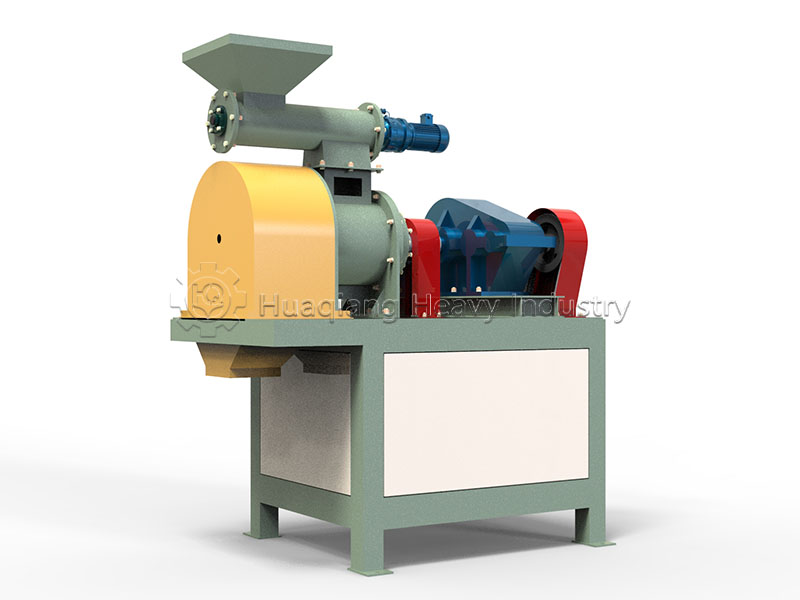

The mixing process must ensure uniformity among the raw materials, binders, and nutrients. Uneven mixing can result in insufficient nutrients or insufficient strength in some pellets. A typical requirement for uniformity is a coefficient of variation of ≤7%. This can be achieved by adjusting the mixer speed (30-40 rpm) and mixing time (5-8 minutes). Sampling points should be set up at the fertilizer mixer outlet for hourly testing.
During the conditioning process, the steam supply should be adjusted according to the production speed of the ring die granulator. For example, if the pelletizer processes 5 tons of raw materials per hour, the steam supply should be maintained at a stable 0.3-0.4 tons/hour, monitored in real time by a flow meter. If the pelletizer speed is increased to 6 tons/hour, the steam supply should be increased to 0.45-0.5 tons/hour to prevent the raw materials from being too dry or too wet.
By coordinating the speed and flow of the front-end and pelletizer, production efficiency can be increased by 10%-15%, reducing downtime caused by process disconnects.
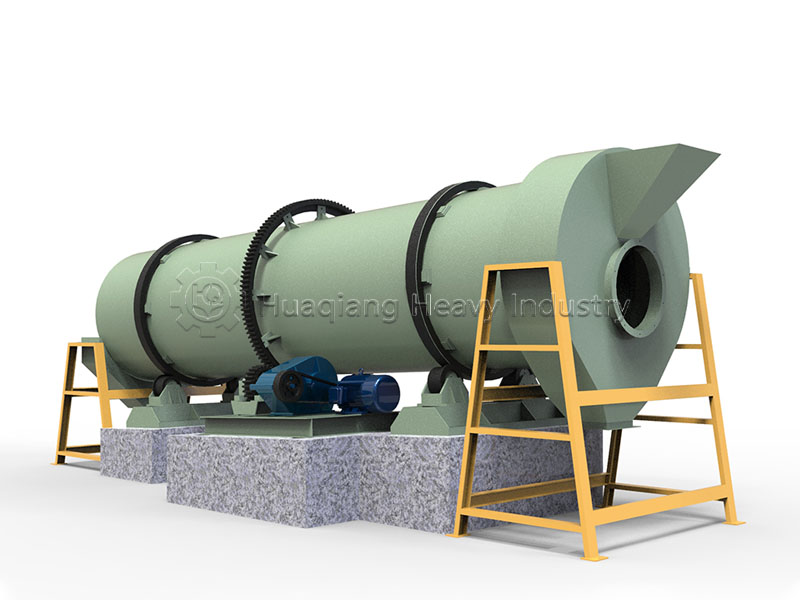
How do fertilizer coating machines solve the problem of pellet clumping?

Fertilizer pellets are prone to clumping during storage and transportation. Through scientific design, coating machines address this issue at its root, focusing on the following key aspects.
First, uniform film coating and protection. The coating machine uses vibrating feeders, combined with guide plates, to evenly distribute pellets. Even pellets of varying sizes are diverted by the guide plates, ensuring that every pellet contacts the film. The symmetrical film guide mechanism wraps the pellets from all sides, creating a complete seal that blocks moisture from reaching the pellets and prevents moisture absorption and clumping. Furthermore, the film tension is precisely controlled, with an error within ±2N. This prevents over-tightening of the pellets, keeping them loose and facilitating even spreading during subsequent fertilization.

Second, precise temperature control is crucial. During the heat-sealing stage, the coating machine uses an intelligent thermostat to maintain a stable temperature of 100-150°C and monitors temperature fluctuations in real time, with fluctuations within ±5°C. This ensures that the film adheres tightly to the pellets, forming a strong protective layer. It also prevents high temperatures from damaging anti-caking components in the fertilizer (such as the coating agents in some slow-release fertilizers), preserving the pellets’ inherent anti-caking properties. The hot air circulation design also ensures a uniform temperature throughout the packaging, preventing uneven shrinkage of the film and damaging the protective layer. Even the slightest movement of the pellets within the package prevents the film from rupturing.

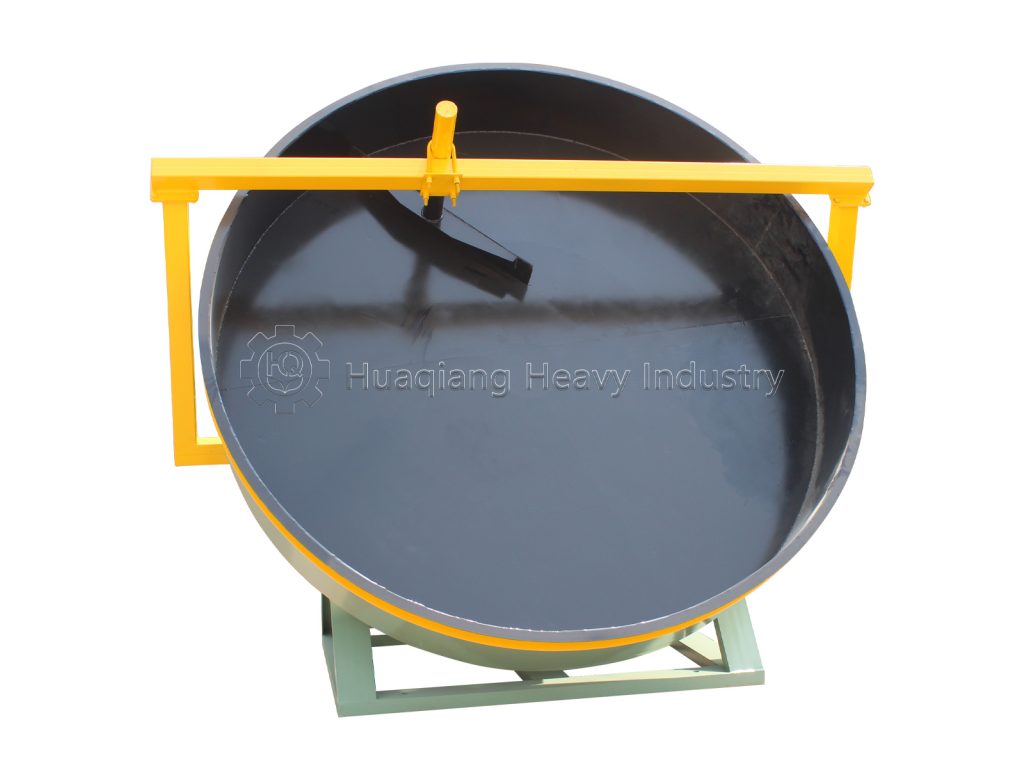
Extending equipment life: Key points for regular maintenance of disc granulators

To maintain efficient and stable operation of disc granulators and extend their service life, scientific and rational regular maintenance is essential.

Before starting the equipment daily, carefully check that all component connections are secure and free of looseness. Also, check that the transmission is operating normally and for any unusual noises. Also, check the wear of the discs. Any abnormalities should be addressed promptly to prevent minor problems from leading to major failures. A comprehensive inspection should be conducted weekly, focusing on bearing temperature, lubrication conditions, and seal integrity to ensure that key components are in good condition.

Lubrication and maintenance are crucial components of maintenance. Regularly add appropriate lubricant or grease to bearings, gears, and other components of the transmission according to equipment requirements, ensuring that the amount used is controlled to avoid adverse effects on equipment operation. After each production run, promptly clean any remaining material from the discs to prevent it from clumping and hardening, which could affect the next run. Also, clean the disc granulator surface of any dust and debris to keep it clean. Liners, nozzles, bearings and other wearing parts need to be checked regularly. If they are severely worn or damaged, they should be replaced in time to ensure the normal operation of the disc granulator and the quality of granulation.

Back To Top