Category: organic fertilizer equipment

The secrets of organic fertilizer production line and bio organic fertilizer production line

In agricultural production, the quality of fertilizer directly affects the growth and harvest of crops. Today, let’s take a deep look at the differences between organic fertilizer production line and bio organic fertilizer production line to help you make a better choice.

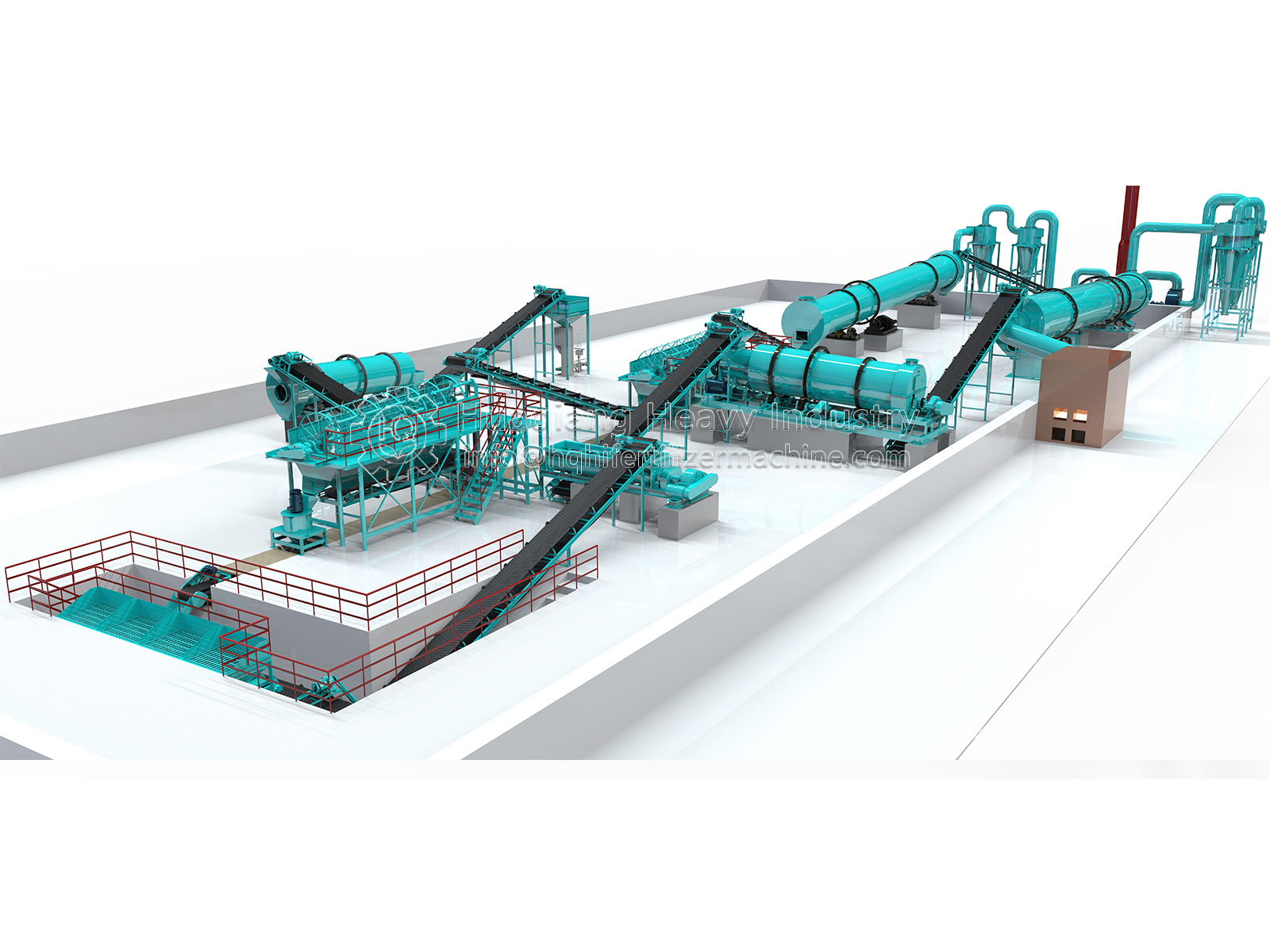
Organic fertilizer production line mainly uses animal and plant residues, such as livestock and poultry manure, crop straw, etc. as raw materials. After collection, pretreatment is first carried out, such as crushing and mixing, to make the raw materials uniform in texture. Then enter the key fermentation and decomposition link, using natural microorganisms to decompose and transform organic raw materials under suitable temperature, humidity and ventilation conditions. This process often takes several months to make organic matter reach a stable state and finally make organic fertilizer.

Bio organic fertilizer production line goes a step further on this basis. After the raw materials are also collected, pretreated and conventionally fermented and decomposed, wait for the material temperature to drop to a suitable range (usually not more than 40℃), and evenly mix in specific microbial agents, such as Bacillus, yeast, etc. These microorganisms play an important role in the follow-up, and can decompose nutrients such as insoluble phosphorus and potassium in the soil and convert them into plant-absorbable forms. However, since microorganisms are sensitive to the environment, the subsequent storage and transportation conditions must be strictly controlled to prevent inactivation.

From the production process point of view, the bio-organic fertilizer production line adds the addition of microbial agents. It seems simple, but it has higher requirements for equipment and environment, and the production process is more complicated.

In terms of product effect, organic fertilizer can improve soil structure, slowly release nutrients, and provide long-term nutrition for plants; bio-organic fertilizer not only has these functions, but also can prevent and inhibit pests and diseases, enhance plant resistance, reduce the use of pesticides, and improve the quality and safety of agricultural products.

Whether you want to invest in organic fertilizer production or focus on bio-organic fertilizer processing, choosing our equipment can escort your production, help you produce high-quality fertilizers, and seize the opportunity in the field of agricultural planting.

How to choose a suitable fertilizer granulator?

In the field of fertilizer production, it is very important to choose the right granulator, which directly affects product quality, production efficiency and corporate benefits. Faced with a wide range of fertilizer granulators, how to choose?

Raw material characteristics are the primary consideration. For processing high-humidity materials such as livestock and poultry manure, the rotary drum granulator can meet the needs; fiber raw materials such as straw have high hardness, and the high-pressure molding technology of the double roller press granulator can ensure the compactness of the particles.

The scale of production needs to be considered. Large production lines have a large daily output demand, and the rotary drum granulator has become the first choice due to its continuous operation ability. It can be adapted to 10,000-ton organic fertilizer projects to meet high-intensity production. Medium-sized enterprises can choose a disc granulator, which can balance efficiency and cost and is suitable for the production of 10-20 tons of compound fertilizer per day. For small workshops or laboratories, the flat die granulator is flexible to operate, occupies a small area, and can easily cope with small batch production.

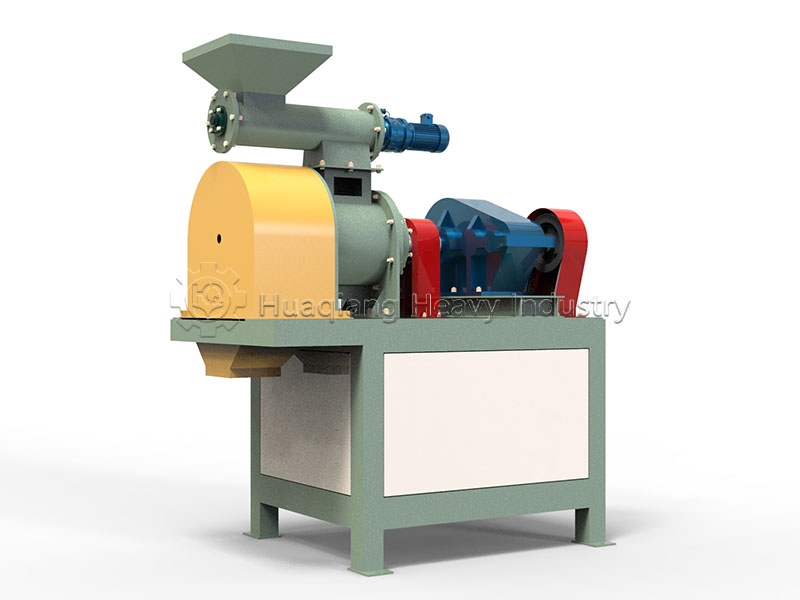
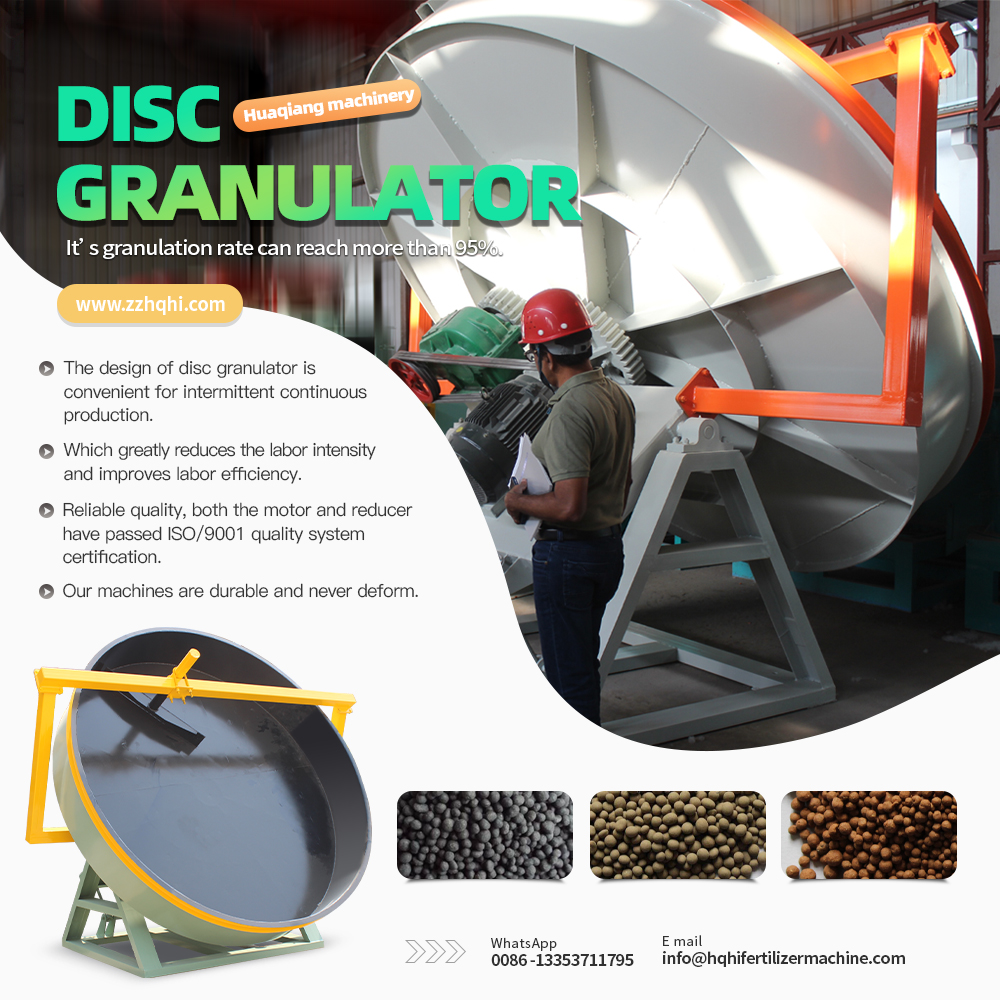
The requirements for particle quality also affect the choice of granulators. If spherical particles with a high ball formation rate are required, the disc granulator is an ideal choice. The organic fertilizer particles it produces are round and have good commercial properties. For high-strength columnar particles, the double roller press granulator has a good molding effect, high particle hardness, and is not easy to break. The ring die granulator can flexibly switch molds and produce particles of different shapes and sizes to meet diverse needs.

From the perspective of process and economy, in the dry production process, the double roller press granulator does not need to add water, reduces the drying process, and reduces energy consumption. In wet production, the rotary drum granulator and the drying equipment work well together, which is suitable for large-scale continuous production. From the perspective of maintenance cost, the flat die granulator has fewer wearing parts and is easy to repair; although the hydraulic roller granulator has a higher initial investment, it is durable and has a lower long-term use cost.

Considering the above factors comprehensively, select the appropriate one from many models to make fertilizer production more efficient and higher quality.. 

BB Fertilizer Blenders vs. NPK Production: Competitors or Partners?

In modern fertilizer production, BB fertilizer blenders and NPK production lines are often compared. One resembles a precise chemist, the other an efficient bartender—they employ completely different processes yet jointly serve the nutritional needs of modern agriculture.

The Terminator of Segregation Phenomenon

Traditional blended fertilizers often suffered from stratification due to differences in raw material density and particle size. Modern BB blenders have completely overcome this challenge through precision engineering. Their unique mixing systems can resist disturbances like mechanical vibration, air pressure changes, and voltage fluctuations, ensuring perfect proportion accuracy in every fertilizer granule.

The Perfect Balance of Efficiency and Precision

Compared to the chemical reaction process of NPK production, BB blending demonstrates astonishing efficiency advantages. High-speed mixing devices can achieve uniform blending in short timeframes while maintaining stable performance for years. This “fast but not rough” characteristic makes it the ideal choice for fertilizer manufacturers pursuing rapid production changeovers.

A Complementary Rather Than Competitive Relationship

NPK production lines achieve molecular-level nutrient integration through chemical reactions, suitable for producing basic compound fertilizers. BB blenders excel at quickly customizing special formulations. The two are like ovens and mixers in a kitchen—different functions but equally indispensable. Wise fertilizer producers often equip both to meet diverse market demands.

As the sunset shines on the fertilizer plant, the reactors of NPK lines and the mixers of BB blenders each go about their busy work. They are not competitors, but two vital pillars of modern agricultural nutrition solutions. Which to choose? The answer might be: both!

How to reduce the maintenance cost of organic fertilizer belt conveyor

To reduce the maintenance cost of organic fertilizer belt conveyor, we can start from the following aspects:

1. Preventive maintenance: Preventive maintenance is an important means to reduce maintenance costs. By regularly checking, lubricating and replacing wearing parts, sudden failures and maintenance costs can be effectively reduced.

2. Daily inspection and cleaning: Check whether the belt is damaged, cracked or aged before starting each time to ensure that the belt has no deviation or slipping problems. Clean the residual materials on the belt regularly to avoid uneven force on the belt caused by material accumulation and accelerated wear.

3. Lubrication and component maintenance: Regularly lubricate the transmission parts of organic fertilizer equipment to extend the service life. Regularly check the wear of vulnerable parts such as belts, rollers, and rollers, and replace severely worn parts in time.

4. Optimize equipment design: When selecting materials, consider strength, wear resistance and corrosion resistance to reduce wear and corrosion.

5. Troubleshooting and repair: When equipment fails, quickly troubleshoot and repair it.

6. Reasonable layout and planning: Reasonably plan the layout and path of the belt conveyor to reduce resistance and wear during the conveying process. By optimizing the production process, reduce the equipment’s no-load operation time and reduce energy consumption.

7. Train operators: Train operators to ensure that they are familiar with the equipment’s operating procedures and maintenance requirements to avoid equipment damage due to improper operation.

By implementing the above strategies, the maintenance cost of the organic fertilizer belt conveyor can be effectively reduced, the equipment life can be extended, and production efficiency can be improved.

How to choose between a rotary drum granulator and a disc granulator?

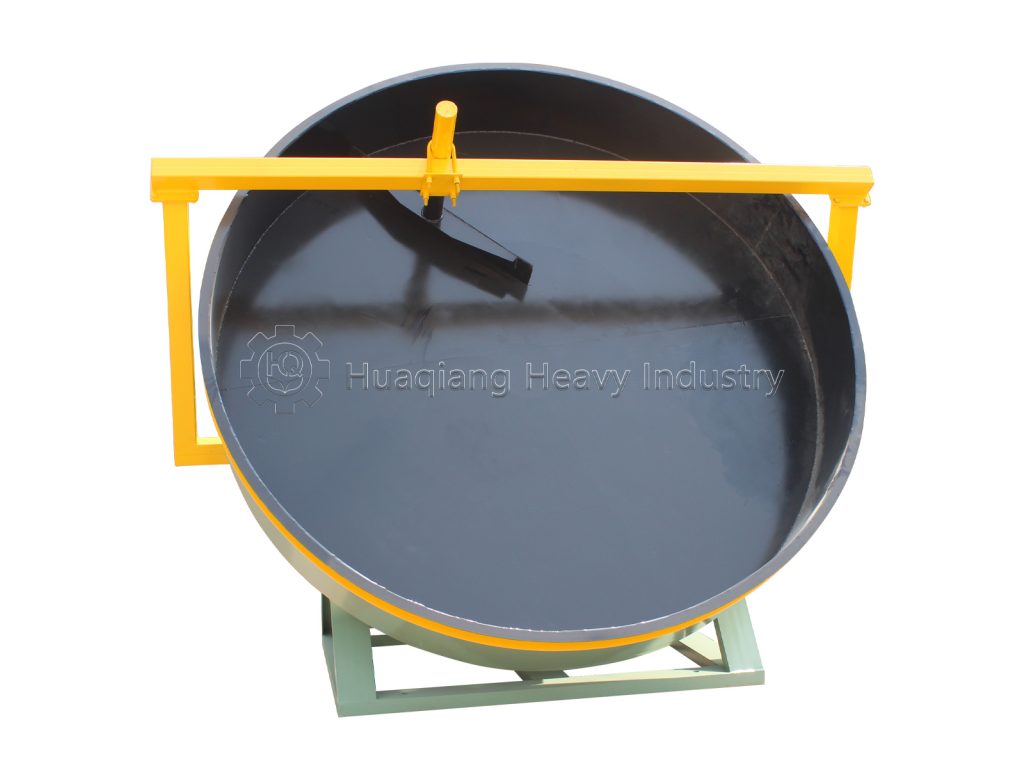
In the fertilizer, feed and other industries, disc granulators and rotary drum granulators are both common granulation equipment, playing a key role in fertilizer production lines. Understanding their differences can help companies choose the right equipment and achieve efficient production.  From the working principle, when the disc granulator tilts the disc and rotates, the material continues to roll and agglomerate under the action of gravity, centrifugal force and friction. First, small particles are formed at the bottom of the disc, and then they continue to roll, absorbing the surrounding powder and gradually become larger. After reaching a certain size, they overflow from the edge of the disc to complete the granulation. The material of the rotary drum granulator rolls continuously in the rotating drum, and through water or steam, the basic fertilizer and other materials are fully reacted chemically in a wet environment, and the particles are agglomerated into balls under the extrusion force generated by the rotation of the cylinder. ​

In terms of equipment structure, the disc granulator is relatively simple. The core component is the tilted granulation disc, which is driven to rotate by the drive device. There are also disc inclination adjustment mechanisms, racks, feeding pipes, liquid sprayers, hanging plates, etc. The rotary drum granulator has a complex structure. The main body is a huge rotating cylinder, which is driven by a drive device. In addition, there are feeding systems, steam or gas supply systems, discharging systems, and complex control systems and auxiliary equipment such as temperature and humidity sensors. ​

The two have different focuses in their application areas. The disc granulator has a small investment and is easy to operate. It is a powerful assistant for small production plants and is widely used in small compound fertilizer plants, feed processing plants and small biomass fuel enterprises. The rotary drum granulator is like an industrial giant with high output and is suitable for large-scale production. It performs well in large-scale compound fertilizer and feed production enterprises and industrial raw material granulation processing. ​​

Disc granulators and rotary drum granulators have their own advantages and disadvantages. Enterprises must make comprehensive considerations and careful choices based on their own production scale, material characteristics, product quality requirements and budgets to win development opportunities in the fierce market competition.

Requirements for the site of organic fertilizer trough compost turning machine

The organic fertilizer groove compost turning machine has the following specific requirements for the site:

1. Site selection and layout: The site should be far away from water sources and residential areas to avoid pollution to the surrounding environment. The site should have water, electricity, storage and other treatment facilities, and the ground should be hardened to prevent material leakage.

3. Ground conditions: The ground of the site should be flat and hard, and cement ground or hardened land can be selected. The ground needs to be treated with anti-seepage to prevent material leakage from polluting groundwater.

4. Supporting facilities: The fermentation site of the organic fertilizer production line should be equipped with rainproof facilities to prevent rainwater from eroding the materials. The site should have a good drainage system to ensure that the leachate can be effectively collected and stored. Equipped with automatic monitoring and control equipment to monitor parameters such as temperature and humidity during the fermentation process.

5. Material stacking: The material pile should maintain a certain shape, usually a trapezoid or triangle, to facilitate the operation of the compost turning machine. The width of the strip-type fermentation should be 2.0m-4.5m, and the height should be controlled at 1.0m-2.0m.

6. Operation and maintenance space: The site should reserve sufficient operation space to facilitate the movement and operation of the compost turner. Set up maintenance channels to facilitate daily maintenance and overhaul of the equipment.

By meeting the above site requirements, the normal operation of the organic fertilizer trough compost turner can be ensured, the compost fermentation efficiency can be improved, and the impact on the environment can be reduced.

The Heartbeat of Fertilizer Production

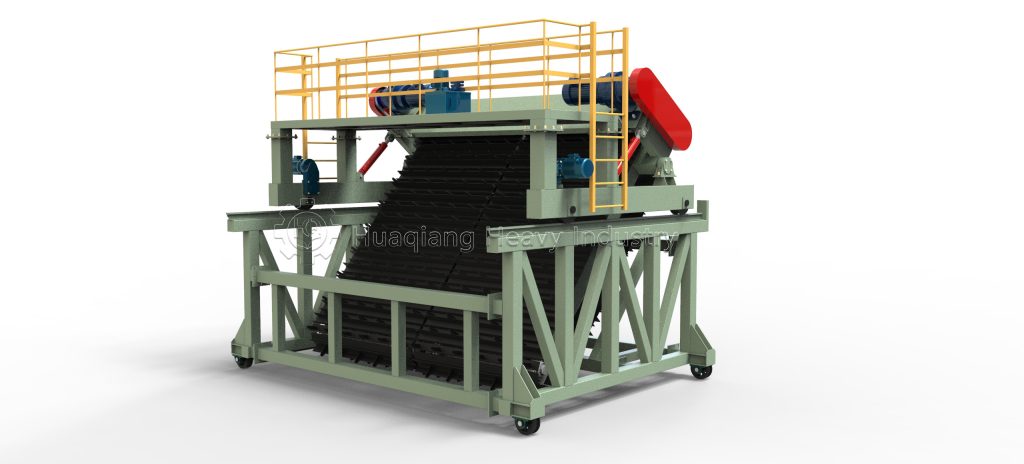
A windrow compost turning machine is a type of composting machinery specifically designed for aerobic fermentation of organic materials. It’s part of the equipment required for biofertilizer production, which typically includes a mixer, fermenter, grinder, and granulator. As a key component of fertilizer equipment, a windrow compost turning machine specializes in organic waste treatment, distinguishing itself from chemical fertilizer machinery in its focus on bio-organic material processing. Its crawler design provides stability and maneuverability for large-scale composting operations within a complete fertilizer production system.

The Central Nervous System

Imagine pretreated materials as ingredients waiting to be cooked, and the windrow compost turning machine as the chef mastering the heat. It precisely turns 2-meter-high organic windrows, much like a chef stir-frying dishes, ensuring every part gets even “heating.” This mechanical ballet can process thousands of tons daily, delivering perfectly fermented materials for subsequent granulation and drying processes.

The Metronome of Mass Production

In large fertilizer plants with annual outputs exceeding 50,000 tons, multiple windrows align like piano keys. The crawler turner moves like a skilled pianist, cycling through different zones following the composition of “fresh material loading – thermophilic fermentation – cooling maturation.” This “multi-zone rotation” enables 24/7 continuous production, transforming organic fertilizer making into true industrial assembly lines.

Did you know? Modern crawler turners’ intelligent control systems allow operators to adjust travel speed and turning frequency as precisely as a car’s accelerator via touchscreens. When downstream granulators speed up, the fermentation rhythm follows in real-time, ensuring the entire production line harmonizes like a symphony orchestra.

The Versatile Performer

Unlike fixed fermentation equipment, crawler turners can either coordinate seamlessly with other devices in modern plants or work solo in open fields. When farms need onsite manure treatment or cities must handle sudden garden waste, this steel giant can “relocate,” bringing production lines to materials rather than the opposite.

From farms to cities, windrow compost turning machines are redefining possibilities in organic fertilizer production. More than just bridges connecting pretreatment and refining processes, they’re alchemists transforming organic waste into black gold. In today’s sustainability-focused world, these flexible, efficient machines have become indispensable hearts of modern fertilizer production lines.

The unique features of the roller press granulator production line

The roller press granulator production line is specially designed for compound fertilizer production. With its core advantages of precise proportioning and efficient granulation, it has become an ideal choice for balancing nutrients and improving fertilizer efficiency, injecting strong momentum into the company.

Its core competitiveness lies in its precise control of compound nutrients. The automatic batching system precisely blends nitrogen, phosphorus, potassium, and trace elements according to crop needs. The double axis mixer quickly blends the raw materials, preventing uneven nutrient distribution and laying a foundation for high-quality granulation.

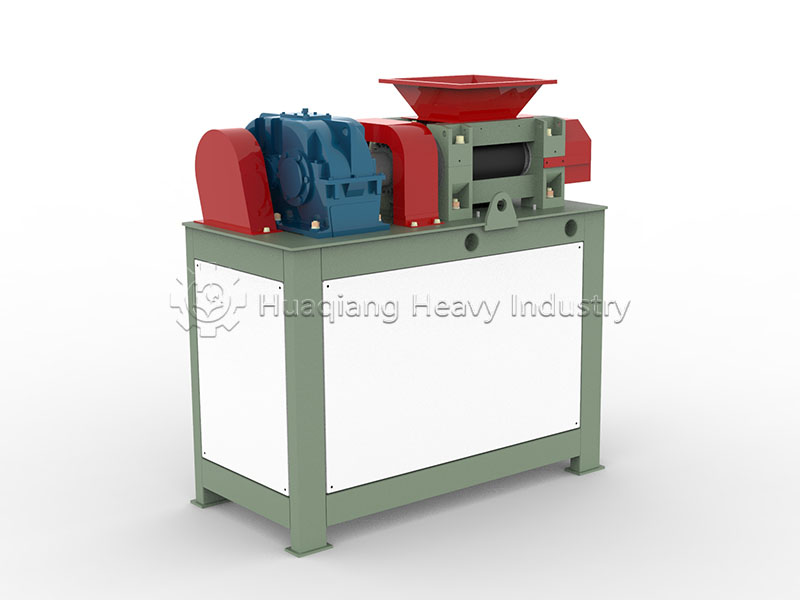
The granulation process offers unique advantages. The double roller press granulator uses counter-rotating high-strength rollers to squeeze the material into thin flakes, which are then crushed and screened to form uniform granules. No binders are required, and the purely physical action preserves nutrient activity. The granules are high in hardness and have a controllable dissolution rate, meeting the needs of different soils and crops, thereby improving fertilizer utilization.

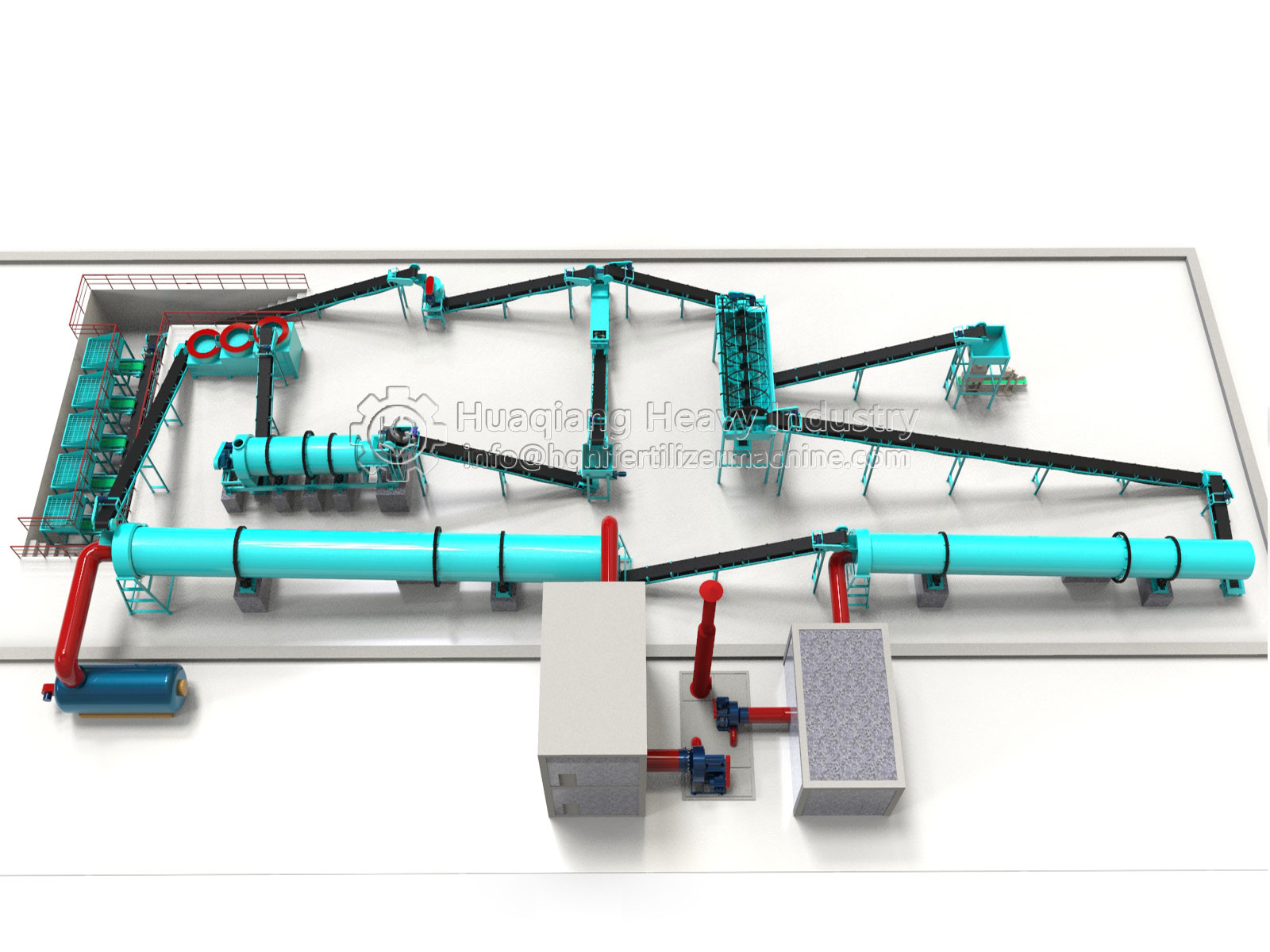
The production line features a compact, efficient, and adaptable process. From raw material proportioning and mixing to granulation and screening, each step is seamlessly integrated, forming a continuous closed loop. For high-concentration, slow-release, and controlled-release compound fertilizers, granule specifications can be adjusted by adjusting the roller pressure and speed to meet diverse needs. A return system returns unqualified granules back to the production line, improving raw material utilization and reducing production costs.

The equipment offers outstanding stability and environmental friendliness. The rollers are made of a wear-resistant alloy and undergo a special heat treatment for corrosion resistance, resulting in a long service life and minimal maintenance. Production is wastewater-free, and dust is collected and treated for discharge, meeting environmental standards. The intelligent control system enables visual parameter adjustment, and one-button start and stop operations reduce operational barriers, making large-scale production easy for even small and medium-sized enterprises.

As the compound fertilizer market pursues precise nutrient delivery and efficient application, the roller press granulator production line, with its stable quality, flexible production, and cost-effectiveness, has become a key piece of equipment for enhancing companies’ competitiveness, helping compound fertilizers realize greater value in modern agriculture.

How chicken manure is turned into fertilizer and the equipment used

The large amount of chicken manure produced by chicken farms every day was once a headache for farmers – it piled up and occupied land, the odor disturbed people, and polluted the environment. Today, with the upgrading of environmental protection technology, chicken manure has transformed into high-quality organic fertilizer, and this “gorgeous transformation” is inseparable from the help of professional processing equipment.

The core of chicken manure turning into fertilizer is composting and fermentation. Fresh chicken manure contains a lot of pathogens, insect eggs, and a strong smell of ammonia nitrogen. Direct use will burn the roots of crops and attract pests and diseases. Therefore, the first step is to “disinfect and improve the quality” of chicken manure.

First, send the chicken manure to the dewatering machine to remove excess water. The dehydrated chicken manure cannot be fermented directly, but must be matched with straw and sawdust to adjust the air permeability and make the fermentation more complete.

The mixed materials are sent to the fermentation area, and the turning machine (such as the compost turning machine) is on the scene to turn the materials regularly to ensure sufficient air, so that the upper and lower layers are heated evenly to ensure the fermentation effect.

The fermented materials are crushed and agglomerated by a pulverizer, and the impurities are removed by a drum screener machine. The powdered organic fertilizer obtained can be used directly. If you want to improve storage stability and application convenience, you can perform granulation.

Granulation requires an organic fertilizer granulator to condense the powdered material into uniform particles. Granular fertilizer is not easy to absorb moisture and agglomerate, and it is resistant to loss during transportation and storage. When applied, the amount can be controlled to prevent waste. It can also slowly release fertilizer in the soil, prolong fertilizer effect, and improve crop absorption efficiency.

This system not only solves environmental problems, but also creates profits. Chicken manure organic fertilizer improves soil, improves the quality of fruits and vegetables, and is very popular.

From waste to “hot cakes”, the counterattack of chicken manure is clear. Choose professional equipment to turn chicken manure into treasure, protect green waters and green mountains, and collect gold and silver mountains. This is a wise choice for the circular development of modern agriculture.

The Core Value of Granulators in Fertilizer Production Lines

Among the numerous pieces of equipment in a fertilizer production line, granulators are a key link in transforming raw materials into finished products, directly determining the fertilizer’s physical form and performance.

The primary function of a granulator is to process evenly mixed raw materials into granules of a specific size. Direct application of crushed and blended powdered raw materials can easily lead to problems such as clumping and flying. Granulators, however, use processes such as extrusion, rolling, or spraying to agglomerate the raw materials into 3-5 mm granules. This form facilitates transportation and storage, reduces waste, and controls the rate of nutrient release into the soil, preventing nutrient loss and improving nutrient utilization. For example, in compound fertilizer production, granulators precisely encapsulate elements such as nitrogen, phosphorus, and potassium, ensuring balanced nutrient release.

Granulators play an irreplaceable role in improving fertilizer quality. High-quality granulation equipment ensures uniform granules with a moderate hardness, neither too hard to break down nor too soft to cause pulverization. Take organic fertilizer as an example. In organic fertilizer production lines, the continuous temperature and pressure during the granulation process further kill pathogens and insect eggs in the raw materials, reducing the risk of crop disease. It also allows the organic matter to more tightly bind with the auxiliary materials, extending the fertilizer’s effectiveness.

Granulators are equally important for improving production efficiency. Modern equipment enables continuous operation, processing several tons of raw materials per hour. Combined with screening machines, they can separate unqualified granules in real time for secondary processing, reducing waste. Compared to traditional manual granulation, mechanical granulation reduces labor intensity and can be controlled through parameter adjustments to maintain stable quality, meeting the needs of large-scale production.

From an ecological perspective, granulators contribute to environmentally friendly fertilization. Granulated fertilizers reduce dust pollution and prevent powder drift. The slow-release granule design reduces the risk of soil compaction and water eutrophication caused by over-fertilization, supporting green agriculture.

Thus, granulators not only shape the fertilizer form but also safeguard its quality, occupying an unshakable core position in the fertilizer production line.

Back To Top