Category: organic fertilizer equipment

What are the main components of an organic fertilizer production line?

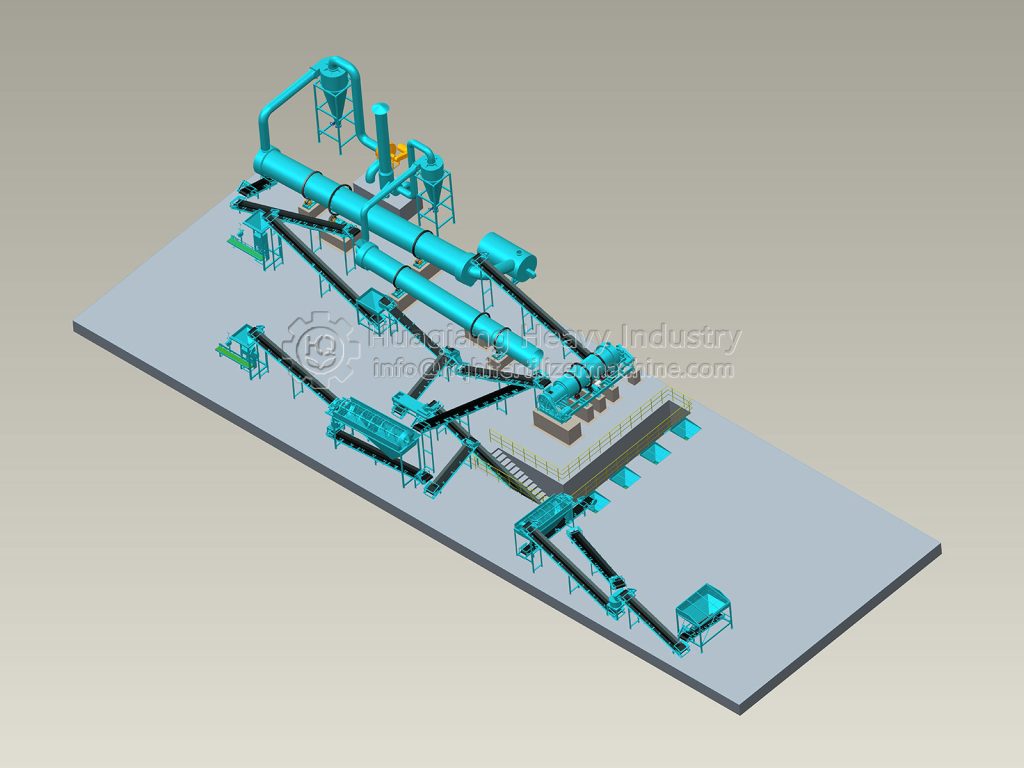
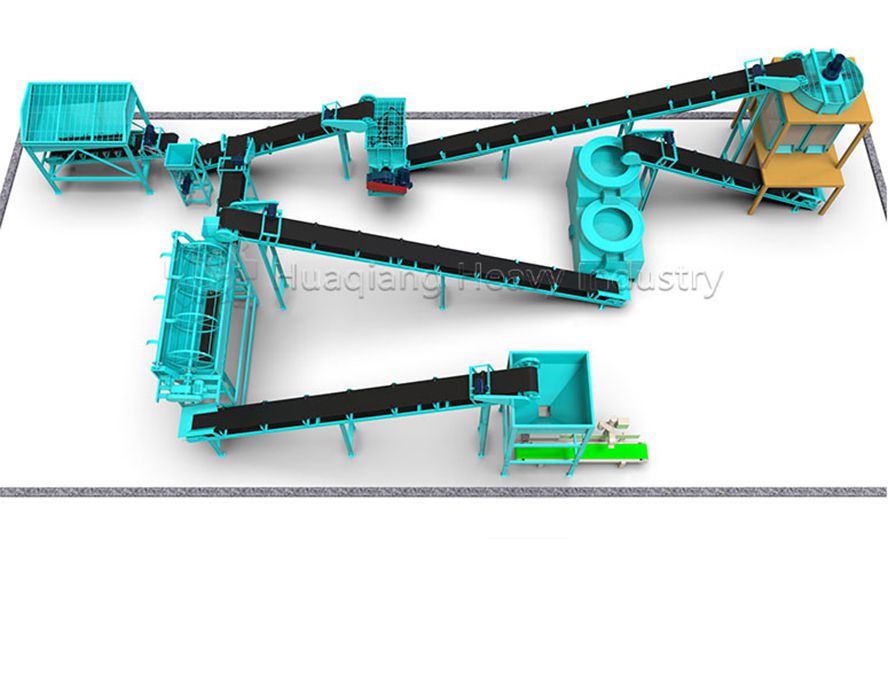
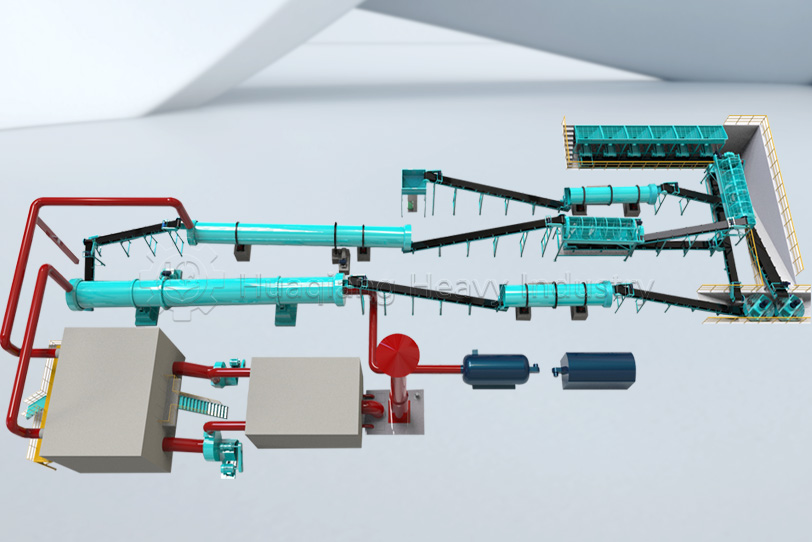
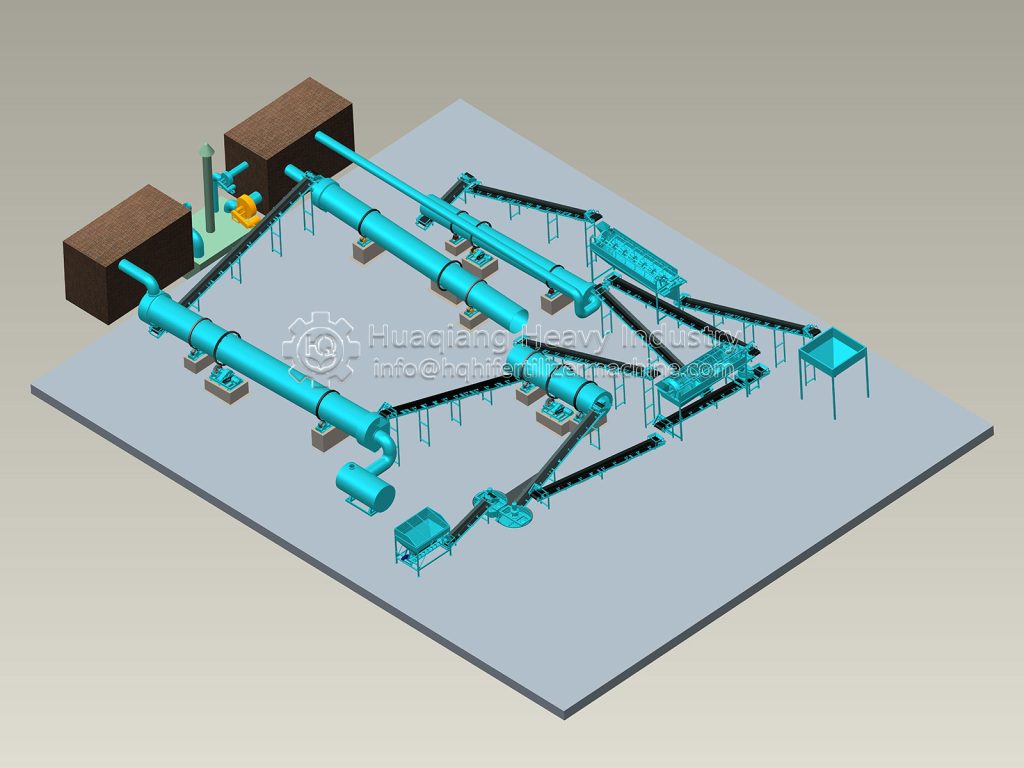
Those familiar with organic fertilizer production lines can generally identify their components, but for those new to the industry, this may seem a bit vague. Today, Zhengzhou Huaqiang Heavy Industry will share with you the components of an organic fertilizer production line.

The crushing section of an organic fertilizer production line. Given the diversity of user raw materials, our organic fertilizer production line equipment is designed with a crushing section. During the equipment sales process, we found that many users use relatively dry chicken manure or pig manure as raw materials, and some even mix in other raw materials to reduce organic fertilizer production costs. Raw materials with excessively large particle sizes cannot be directly granulated. Therefore, before granulation, the raw materials must be crushed to achieve the desired granulation effect before they can be fed into the organic fertilizer granulator. Of course, for users with sufficiently fine raw materials, this step can be omitted when designing organic fertilizer equipment.
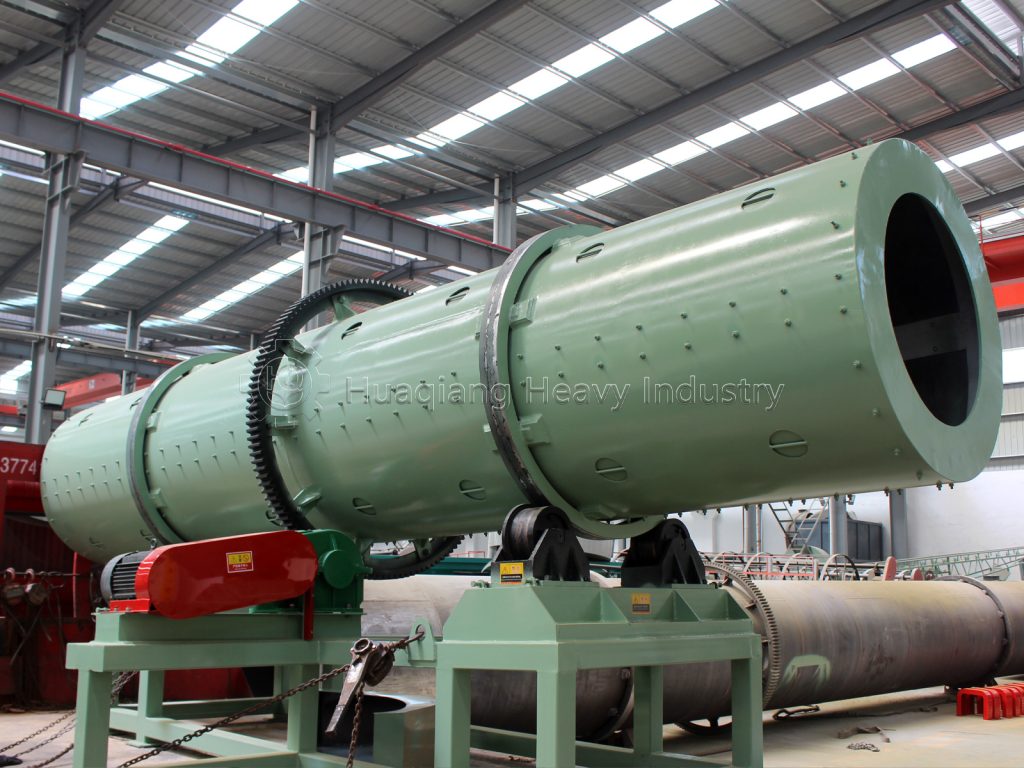
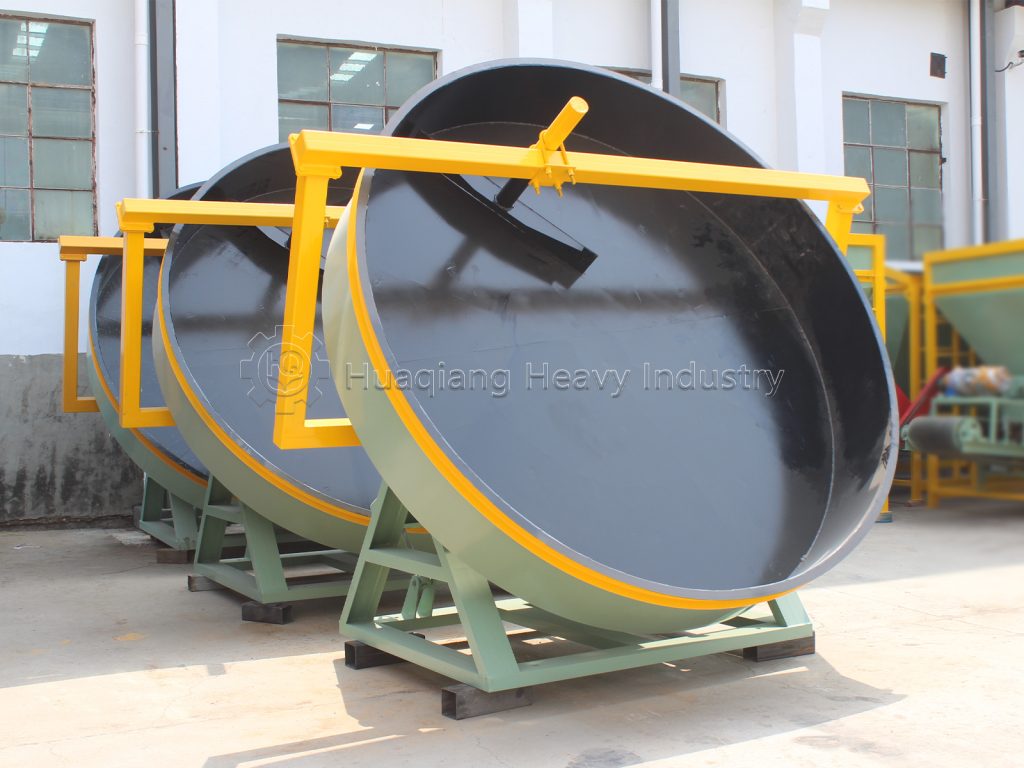
The granulator section of an organic fertilizer production line is the core component of the equipment, making it an essential component. The model of granulator to be selected depends on the user’s production volume. The drying section of the organic fertilizer production line. The granulation process requires that the material humidity be kept below 25%. Therefore, raw materials with an initial humidity above 25% should first enter the drying process, and then enter the granulation process after the dried material reaches the required humidity. Of course, users with sufficient material humidity can omit this step when designing organic fertilizer equipment.
In other parts of the organic fertilizer production line, after the pelletizer completes the processing, it is conveyed by a belt conveyor to a ball shaping machine for shaping, achieving a perfectly spherical shape and forming organic fertilizer granules. For users who require it, we can design a final packaging process to directly package the final product, thus achieving perfect automation of the entire fertilizer granulation process.

From Waste to Wealth: The Bio-Fertilizer Magic

How to transform agricultural waste into black gold? This system has the perfect answer

The bio organic fertilizer production process relies on specialized fertilizer machines as its backbone – from crushers that prepare raw materials to granulators that shape the final product. These machines work in harmony to transform organic waste into nutrient-rich fertilizer, with each piece of equipment playing a vital role in this sustainable alchemy.

While an organic fertilizer production line handles basic composting processes, a bio organic fertilizer production system goes further by incorporating microbial enhancement and precise quality control. The relationship is evolutionary – bio-organic production represents the advanced, scientifically-enhanced version of traditional organic fertilizer manufacturing, delivering superior results through refined technology.

The Magnificent Transformation

Imagine smelly livestock manure and mountains of crop straw—these troublesome agricultural wastes are first “chewed” by crushers’ “teeth,” then meet precisely measured fermentation agents. Like a magician’s preparation, the well-mixed materials enter fermentation areas, beginning their magical metamorphosis journey.

In fermentation tanks—these “microbial kitchens”—billions of probiotics showcase their skills. Feeding on organic waste at 60-70°C, they act like countless tiny chefs, “cooking” complex organics into plant-friendly nutrient feasts. Regular turning provides kitchen ventilation, ensuring every “chef” gets sufficient oxygen.

Precision Post-Processing

After drying, fermented materials enter granulators’ “plastic surgery rooms.” Here, loose materials are shaped into uniform pellets, like stringing scattered pearls into necklaces. Screening machines serve as strict quality inspectors, ensuring every fertilizer pellet meets standards. Finally, specific microbial agents and trace elements are added according to different crops’ needs, like customizing exclusive menus for various guests.

Final Quality Assurance

Automatic packagers fill finished products with astonishing precision—each bag’s weight error stays within 10 grams. Quality checks resemble airport security, strictly testing over 30 indicators including nutrient content and microbial activity. Only fully compliant products earn “boarding passes” to enter markets and contribute to green agriculture.

From avoided waste to sought-after bio-fertilizer, this production line achieves material recycling while showcasing modern agricultural technology’s magic. In today’s sustainability-focused world, it’s becoming a crucial bridge connecting environmental protection and agriculture, ensuring every organic resource reaches its full potential.

What equipment is needed for the BB fertilizer production line

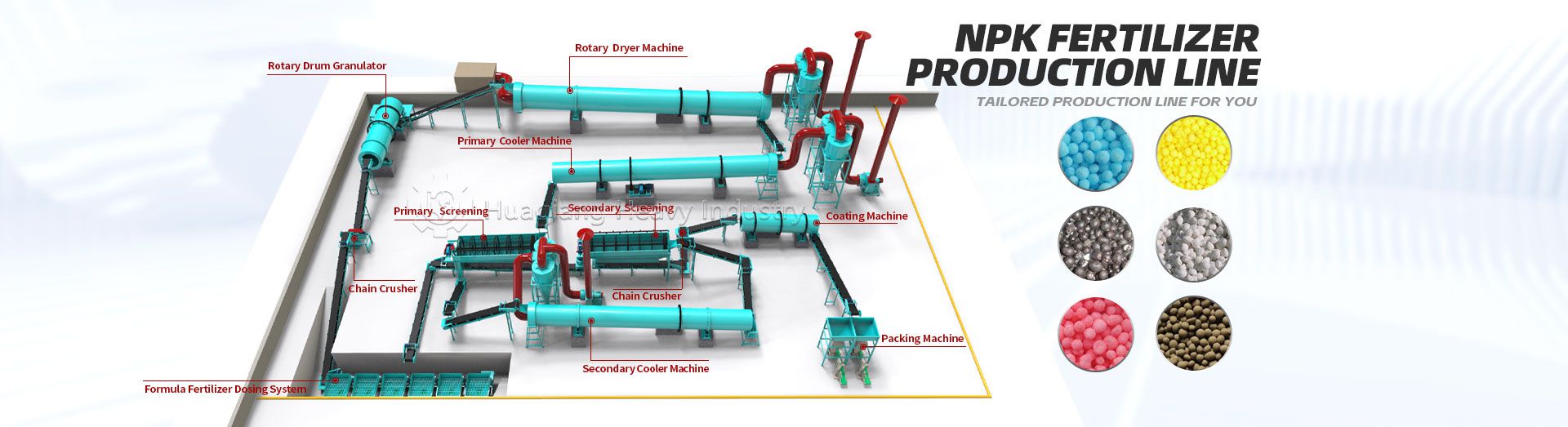
The BB fertilizer production line can accurately produce customized formula fertilizers to meet the needs of different soils and crops with a flexible combination of equipment. Its core equipment has its own unique uses.

The batching system is the “brain” of the production line. The automatic batching system is equipped with an intelligent control system, which accurately adjusts basic raw materials such as nitrogen, phosphorus, potassium and trace elements according to the preset proportions during production.The sensor monitors the amount of material discharged in real time and dynamically adjusts the conveying speed to ensure that the measurement error of each raw material is extremely small, ensuring the balance of fertilizer nutrients from the source and meeting the precise needs of crops for specific nutrients.

The mixing equipment is the key. The BB fertilizer blender fully mixes the prepared raw materials to evenly blend the different ingredients, avoid local nutrient unevenness, and ensure that the quality of each fertilizer grain is consistent.

The screening equipment is responsible for “checking”. The vibrating screen removes the lumps or impurities that may be produced after mixing to ensure that the fertilizer particles are uniform in size. The screen angle can be flexibly adjusted to adapt to the characteristics of different raw materials to ensure that the output fertilizer has a neat appearance, which is convenient for uniform spreading during mechanized fertilization and can improve the synchronization of nutrient release.

The packaging equipment is finished. The automatic quantitative packaging machine quickly completes bagging and sewing. The metering is accurate and efficient. It is suitable for packaging requirements of different specifications and is convenient for storage and transportation.

The entire set of production line equipment is smoothly connected, from raw materials to finished products, and the formula can be flexibly adjusted to switch to produce different types of BB fertilizers. Choosing this set of equipment can easily achieve efficient and accurate BB fertilizer production and seize the market opportunity of customized fertilizers.

The importance of standardized operation of the double roller press granulator

The importance of standardized operation of the double roller press granualtor is reflected in many aspects. The following is a detailed description:

1. Ensure stable operation of the equipment: Standardized operation procedures are an important guarantee to ensure the stable operation of the double roller press granulator. Operators must receive strict professional training before taking up their posts and be familiar with the structure, working principle, operation procedures and safety precautions of the equipment.

2. Improve production efficiency: Standardized operation can effectively improve production efficiency. For example, by reasonably adjusting the roller spacing and controlling the feed amount, the uniformity and molding quality of the material during the extrusion process can be ensured.

3. Extend the service life of the equipment: Regular maintenance and inspection are important measures to extend the service life of organic fertilizer equipment. Including checking the wear of key components, maintenance of the lubrication system, and detection of the electrical system.

4. Improve product quality: Standardized operation helps to improve product quality. For example, by controlling the particle size and moisture of the material, ensure that the material meets the equipment requirements and avoid the decline in the quality of particle molding due to material problems.

5. Reduce production costs: Standardized operation can reduce production costs. For example, by reasonably adjusting equipment parameters, avoid overloading of equipment, reduce energy consumption and equipment loss. At the same time, regular maintenance of equipment can reduce equipment failures and maintenance costs.

Through standardized operation, the production efficiency, product quality and equipment life of the double roller press granulator can be effectively improved, while reducing production costs and safety risks. Therefore, standardized operation is crucial to the operation of the double roller press granulator.

How to scientifically maintain the double roller press granulator

As an important organic fertilizer production equipment, the double roller press granulator can always maintain efficient operation, extend its service life, and escort production. Mastering scientific maintenance methods can not only reduce the hidden dangers of failure, but also enable the equipment to output high-quality particles stably for a long time.

Daily maintenance needs to form a standardized process. Before starting the machine, in addition to checking the connection and fasteners of the components, it is necessary to focus on whether the feed port is unobstructed, remove possible foreign matter, and avoid material jamming and damage to the equipment after starting. During operation, in addition to paying attention to the rotation and sound of the rollers, it is also necessary to observe the temperature of the motor. If overheating occurs, the machine should be shut down to cool down to prevent the motor from burning. The cleaning work after shutdown should be thorough. A special brush can be used to clean the residual material in the roller texture, and compressed air can be used to blow the equipment gap to prevent the material from corroding the components after moisture and agglomeration.

Maintenance of key components must be accurate and in place. The parallelism of the rollers needs to be checked every time they run for a period of time. If there is an offset, it should be calibrated in time to ensure uniform extrusion force; when the surface is worn to a certain extent, it can be polished and repaired to extend the service life. Bearing lubrication requires the use of lubricating oil of suitable types, which should be refilled at least once a month. Before refilling, clean the impurities in the oil filling port to prevent contamination of the lubrication system. The chain of the transmission system should be regularly smeared with chain oil, and the gears should be checked for meshing. If abnormal noise or jamming is found, timely adjustments should be made to avoid affecting the granulation efficiency due to poor power transmission.

Well-maintained equipment can reduce downtime, maintain stable granulation efficiency and granule quality, and reduce long-term use costs. Choose a double roller press granulator and cooperate with scientific maintenance to make your organic fertilizer production line continue to be efficient and your profits more guaranteed.

Disc Granulator Maintenance: Keeping Your Machine Young

A well-maintained disc granulator, like a regularly serviced sports car, maintains peak performance while significantly extending service life. Master these simple yet crucial maintenance techniques, and your equipment will reward you with longer service time and more stable product quality.

A well-maintained disc granulator, as a core component of an NPK fertilizer granulator machine, ensures efficient granulation in both the NPK manufacturing and production processes. Just as proper upkeep enhances equipment longevity and performance, optimized granulator operation directly impacts the quality and consistency of NPK fertilizers. The terms “NPK manufacturing process” and “NPK production process” are often used interchangeably, with the disc granulator playing a vital role in the granulation stage of these processes.

1. Daily Check: The “Morning Routine”

Before starting up each day, spend 5 minutes on a comprehensive “physical exam”: gently shake components to check tightness, listen for clear operating sounds from the transmission, and inspect the disc surface for abnormal wear. These small actions help identify potential issues early, preventing minor problems from becoming major failures.

2. Lubrication: The “Circulatory System”

Regularly replenishing specialized lubricant for bearings and gears is as important as nutrition for athletes. Always use the lubricant type recommended in the manual and strictly control the amount – too little causes insufficient lubrication, too much may lead to leaks. Maintain a lubrication record to ensure every maintenance is accurate.

⚠️ Special reminder: Different parts may have different lubrication intervals. For example, high-speed bearings may need weekly lubrication while low-speed gears may only need monthly lubrication.

3. Cleaning Habits: Details Make the Difference

Clean the disc granulator machine immediately after each production run before materials completely harden. Use specialized scrapers and compressed air, paying special attention to nozzle and liner seams. Regular surface dusting may seem simple but prevents 90% of unexpected failures.

4. Wear Parts Management: Prepare for Rainy Days

Maintain replacement records for wear parts like liners and bearings. When nozzle atomization becomes uneven or liner thickness wears beyond 10%, consider replacement even if still functional. Keep commonly used wear parts in stock to avoid production losses waiting for replacements.

5. Safe Operation: The Uncrossable Line

Adjustments are strictly prohibited during operation! All maintenance must follow the “shutdown-power-off-tagout” procedure. Please post safety operating procedures near the control panel and conduct regular safety training to strengthen everyone’s safety awareness.

Remember: Preventive maintenance typically costs only 1/10 of repair after failure. Invest small amounts of time in these routine maintenance tasks, and your disc granulator will create greater value for you.

How to improve the granulation rate of the disc granulator

The granulation rate of the disc granulator directly affects the production efficiency and quality of organic fertilizer. When processing organic fertilizer raw materials containing high fiber and impurities, the disc granulator can take the following measures to ensure the uniformity and granulation rate of the particles:

Pretreatment of raw materials: For raw materials with high fiber and many impurities, it is necessary to first remove large impurities and long fibers through crushing and screening to make the material texture more uniform, provide high-quality basic materials for granulation, and reduce granulation failure caused by uneven raw materials.

Adjust the disc parameters: According to the characteristics of the material, reasonably adjust the disc inclination angle and speed. If the angle is too small, the material is easy to accumulate; if the angle is too large, the material residence time is short. Too fast speed will cause the material to be thrown out due to excessive centrifugal force, and too slow speed will make it difficult to fully roll and agglomerate. By repeatedly debugging and finding the appropriate parameters, the material can form a stable rolling track in the disc and promote uniform growth of particles.

Adding binder: By increasing the spraying amount and uniformity of the binder, the bonding of the material can be improved, thereby improving the strength and uniformity of the particles.

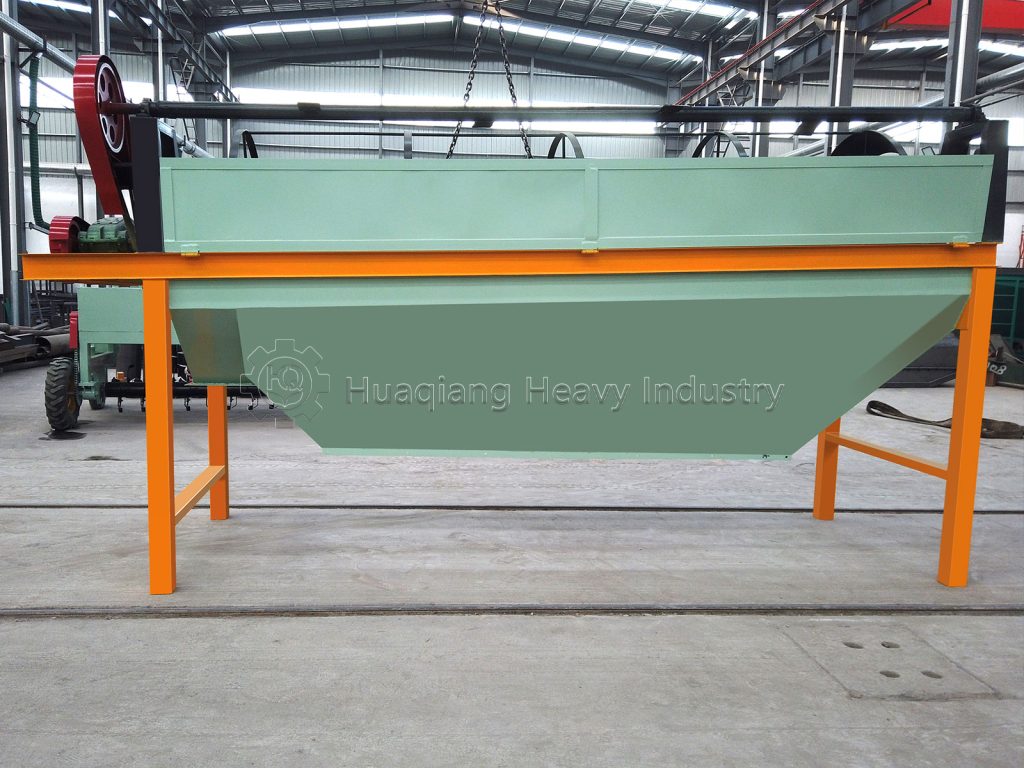
Install screening device: Install drum screener machine in the fertilizer production line to separate unqualified particles and impurities in time, return them to the granulator for reprocessing, form a closed loop, reduce the waste of raw materials, and ensure the uniformity of the output particles.

Clean the equipment regularly: Clean the disc and the inside of the disc granulator regularly to prevent the accumulation of impurities from affecting the granulation effect.

Through these methods, the disc granulator can stably maintain a high granulation rate, improve the quality and efficiency of organic fertilizer production, and help produce high-quality granular fertilizer.

The unique working principle of the double roller press granulator

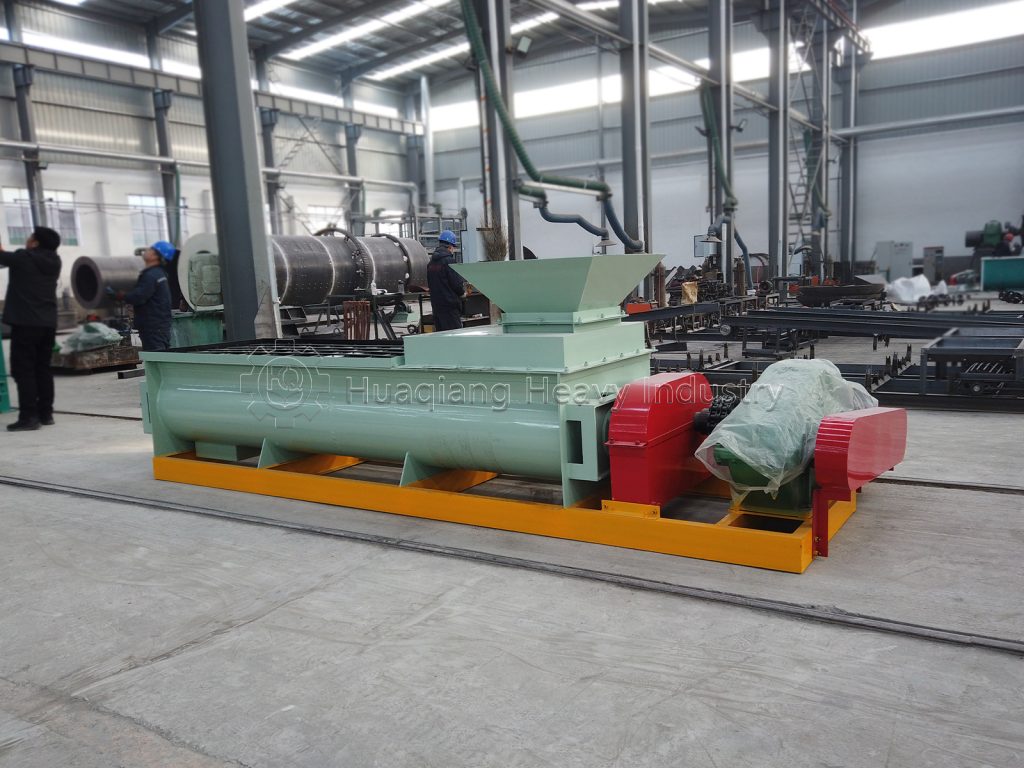
The reason why the double roller press granulator can occupy an important position in the organic fertilizer granulation equipment is inseparable from its unique working principle, which also allows it to show many advantages.  Its working process is clear and straightforward. First, the pre-treated dry powder raw material is conveyed between two relatively rotating rollers. The surface of this pair of rollers is usually provided with specific lines or grooves. Under the action of strong extrusion force, the raw material is tightly squeezed to form continuous flakes. These flakes then enter the crushing device and are crushed into particles of different sizes. Next, the particles will go through the screening stage, and the fine powder or large particles that do not meet the requirements will be separated and sent back to the granulation system, while the qualified particles will become the final product.

This working principle brings significant advantages. There is no need to add a lot of water, and the subsequent drying step is omitted, which not only saves energy, but also maintains the original nutritional content of the raw materials. The whole process is coherent and efficient, from the entry of raw materials to the output of qualified particles, which can be completed in one go and quickly meet production needs. At the same time, due to the physical extrusion granulation, it has strong adaptability to raw materials, and a variety of organic raw materials can be made into granules in this way.

The double roller press granulator has become an efficient and practical granulation choice in the organic fertilizer production line due to its scientific working principle, helping producers improve efficiency and ensure quality.

The Silent Revolution in Your Soil: Bio-Organic Fertilizers Explained

In modern fertilizer plants, you’ll find two seemingly similar yet fundamentally different production lines: the traditional organic fertilizer line and the bio-organic fertilizer line. Both process organic waste, but the latter features an invisible “magician” – microbial communities.

Microbes: The Invisible Engineers

While traditional organic fertilizer relies on physical composting, bio-organic production is essentially a precision microbial cultivation experiment. Specialized fermentation tanks serve as five-star hotels for microorganisms, with PLC systems meticulously controlling temperature, humidity, and oxygen levels to create optimal working conditions for these tiny life forms to break down organic matter into more absorbable forms.

Core components of bio-organic lines:

• Intelligent fermentation systems – “Incubators” for microbes

• Microbial inoculant dispensers – Precision “microbe seeders”

• Gas chromatographs – Continuous metabolite monitoring

Beyond Fertilizer: Soil Physicians

Traditional lines produce “plant food,” while bio-organic lines deliver “soil therapy.” Those carefully selected microbial strains function like microscopic medical teams, continuing their work after entering the soil: some fix nitrogen, others solubilize phosphorus, while others suppress pathogens… This is ecological magic traditional lines cannot replicate.

Next time you see fertilizer labeled “bio-organic,” remember: this bag contains not just nutrients, but an entire micro-ecosystem ready to awaken sleeping earth.

Organic Fertilizer Manufacturing: Precision Engineering or Agricultural Artistry?

Step into a modern organic fertilizer plant, and you’ll be amazed by the precision of the organic fertilizer production line—no longer simple compost turning machine, but a perfect dance between microorganisms and machinery. From raw material processing to finished product packaging, each step embodies the wisdom of modern agriculture.

Production Line: The “Orchestra” of Organic Fertilizer

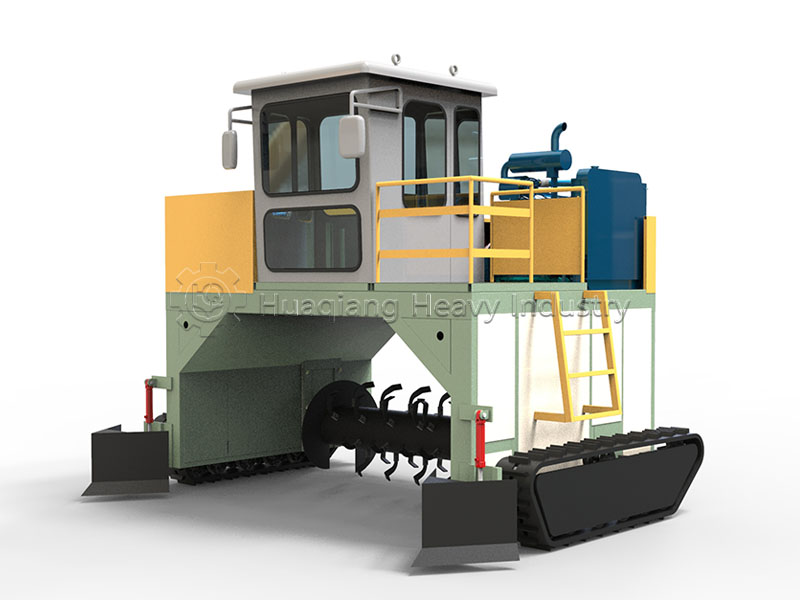
A complete set of organic fertilizer equipment resembles a well-orchestrated symphony. The compost turner maintains the rhythm, continuously aerating the pile; the crusher acts like the brass section, breaking materials into uniform fragments; while the core organic fertilizer granulator serves as the concertmaster, shaping loose materials into plump “nutrient capsules.”

Granulator: The Alchemist of Fertilizer

Among all equipment, the organic fertilizer granulator is undoubtedly the soul of production. Whether it’s the elegant rotation of disc granulation or the powerful molding of extrusion, both demonstrate the artistic craftsmanship of “transforming waste into treasure.” Modern granulation technology not only controls particle hardness but precisely adjusts release rates, allowing organic matter to nourish crops on demand.

Production Process: Balancing Nature and Technology

A genuine organic fertilizer production process is never just mechanical assembly. Excellent manufacturers understand how to find the delicate balance between fermentation temperature, turning frequency, and granulation humidity. Like master winemakers controlling fermentation, each parameter adjustment affects the final product’s “flavor”—here referring to fertilizer efficiency and soil improvement effects.

As the sunset gilds the production line, watching organic matter—once considered waste—transform into “black gold” that nourishes the earth, you might wonder: Is this rigorous industrial production or a great collaborative art between humans and nature? Perhaps the best organic fertilizer production is precisely the perfect combination of both.

Back To Top