Category: organic fertilizer equipment

Complete Guide to Organic Fertilizer Fermentation

Basic Principles of Fermentation

Organic fertilizer fermentation is a complex biochemical process that primarily involves the decomposition and transformation of organic matter through microbial activity. This process can be divided into two main stages:

High-temperature Stage: Temperature rises to 60-70°C, eliminating harmful pathogens and weed seeds.

Maturation Stage: Temperature gradually decreases to around 40°C, while beneficial microorganisms continue decomposing organic matter.

Key Fermentation Steps

1. Raw Material Preparation and Ratio

Select appropriate raw material combinations, typically including: livestock manure (60-70%), plant straw (20-30%), and auxiliary materials (about 10%). The ideal carbon to nitrogen ratio should be maintained at 25-30:1.

2. Pile Construction

Form mixed materials into windrows 2-3 meters wide and 1.5-2 meters high. Proper pile size helps retain heat and promote ventilation.

3. Temperature Control

Control temperature through regular turning and ventilation:

  • Initial stage: Temperature rapidly rises to 55-65°C
  • Middle stage: Maintain at 50-60°C
  • Final stage: Gradually decreases to ambient temperature

4. Moisture Management

Maintain moisture content between 50-60%. Excessive moisture creates anaerobic conditions, while insufficient moisture inhibits microbial activity.

5. Turning Operation

Regular turning based on temperature changes:

  • High-temperature period: Turn every 2-3 days
  • Cooling period: Turn weekly
  • Maturation period: Turn every two weeks

Modern Fermentation Technologies

Trough Fermentation

Conducted in concrete troughs equipped with turners and aeration systems, with a fermentation cycle of 15-20 days.

Reactor Fermentation

Conducted in sealed containers with complete control over temperature, humidity, and ventilation, reducing fermentation cycle to 7-10 days.

Signs of Completed Fermentation

  • Temperature stabilizes at ambient level
  • Material turns dark brown with no foul odor
  • Texture becomes loose with moisture content below 30%
  • pH value stabilizes between 6.5-8.5

Quality Control Essentials

Successful organic fertilizer fermentation requires strict control of the following factors: appropriate raw material ratios, adequate oxygen supply, suitable temperature and humidity, and sufficient fermentation time. Through these controls, high-quality organic fertilizers can be produced, providing strong support for sustainable agriculture.

Successful organic fertilizer fermentation requires strict control of the following factors: appropriate raw material ratios, adequate oxygen supply, suitable temperature and humidity, and sufficient fermentation time. Through these controls, high-quality organic fertilizers can be produced, providing strong support for sustainable agriculture.

The efficiency of organic fertilizer fermentation largely depends on the proper selection and operation of specialized equipment. Modern fertilizer production machine systems are designed to optimize these critical parameters throughout the entire organic fertilizer production line. For large-scale operations, a large wheel compost turner provides efficient aeration and mixing, while smaller facilities might utilize a chain compost turner for similar purposes.

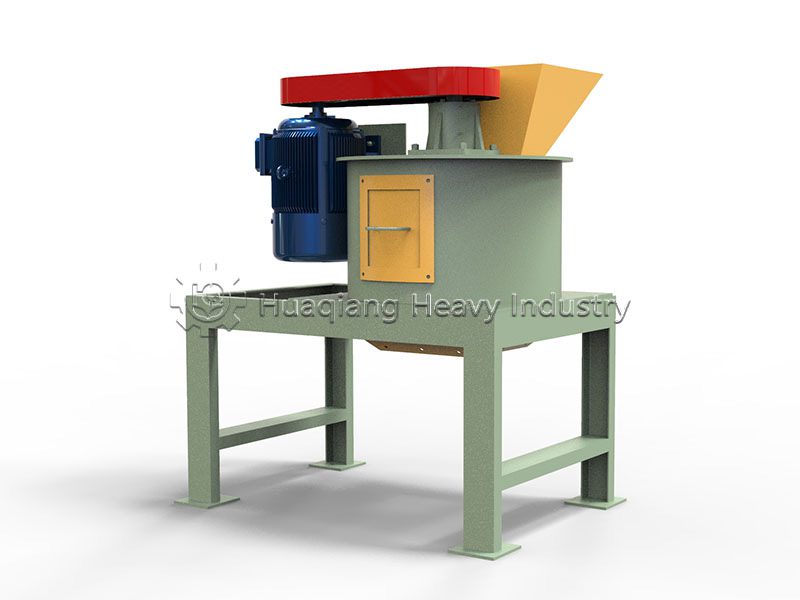
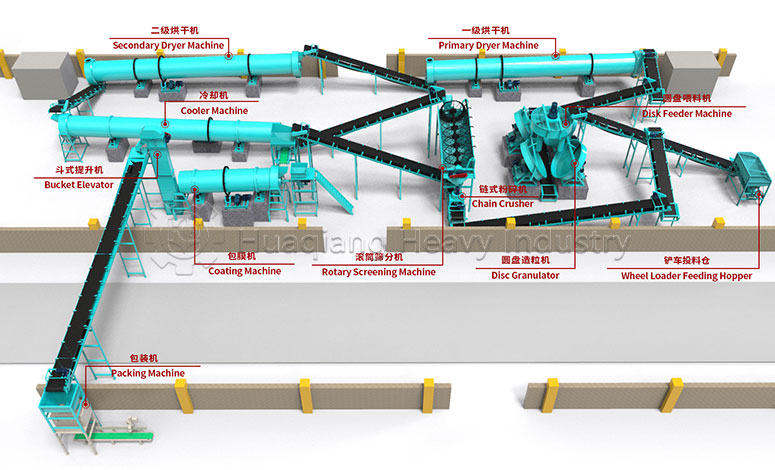
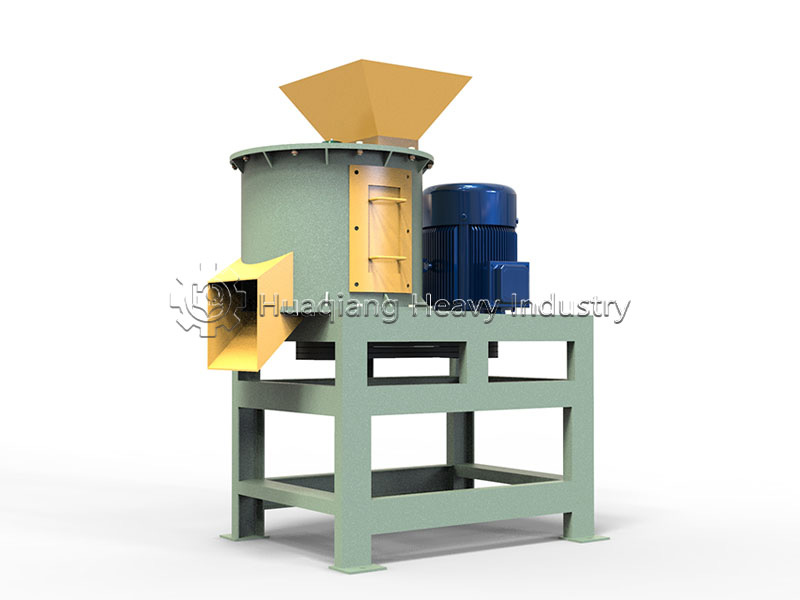
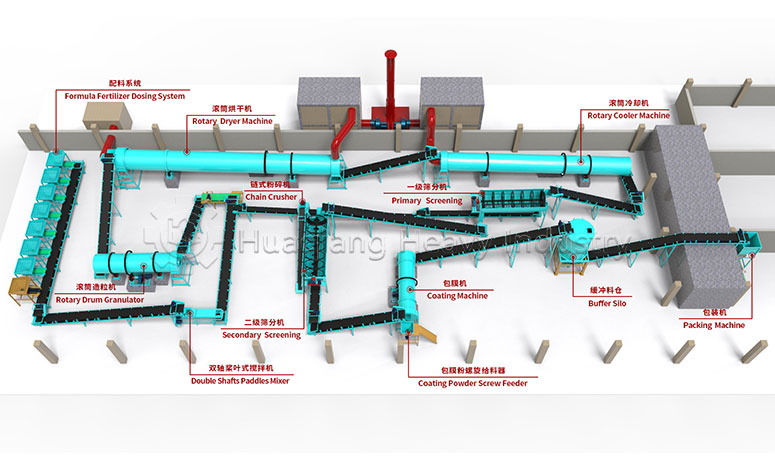
In a comprehensive bio organic fertilizer production line, the compost fertilizer machine plays a pivotal role in maintaining optimal fermentation conditions. The complete suite of equipments required for biofertilizer production includes not only turning machines but also crushers, mixers, granulators, dryers, and screening equipment. These integrated systems ensure consistent quality and accelerate the decomposition process, transforming organic waste into valuable nutrients for crops while maintaining environmental sustainability.

Core features of bio-organic fertilizer equipment: Focusing on activity protection and high-efficiency adaptation

As a key carrier for ensuring product quality, bio-organic fertilizer equipment is designed and functions around the core needs of bio-organic fertilizer: “preserving activity, promoting composting, and ease of application.”

1.Strong Activity Protection Orientation

The core value of bio-organic fertilizer lies in the activity of beneficial microorganisms. The equipment avoids high-temperature damage throughout the entire process. In the fermentation stage, precise temperature control through a compost turning machine and fermentation tank satisfies both sterilization and composting requirements while preventing microbial inactivation. Granulation employs a low-temperature extrusion process, and cooling equipment quickly lowers the material to room temperature, reducing damage to the microbial community from high temperatures.

2.Controllable Composting Process

The equipment achieves precise control of fermentation conditions through mechanical design: the compost turning machine can adjust the turning frequency to ensure sufficient oxygen in the pile; the fermentation tank adopts a closed design, monitoring and adjusting temperature, humidity, and oxygen content in real time, shortening the composting cycle while ensuring uniform material composting and reducing odor emissions.

3.Wide Range of Raw Material Compatibility

The bio-organic fertilizer equipment is highly adaptable to various organic raw materials such as poultry and livestock manure, straw, mushroom residue, and distiller’s grains. The crushing equipment can adjust the particle size according to the hardness of the raw materials; the mixing equipment can evenly blend raw materials with different moisture content and specific gravity to ensure precise carbon-to-nitrogen ratio.

4.High Modularity and Flexibility

The equipment adopts a modular design, allowing for flexible combinations based on production scale. Small production lines can be equipped with simple compost turners and manual packaging equipment to reduce investment costs; large-scale production can be configured with automated fermenters and continuous granulation units to improve production efficiency.

Maintaining key components in fertilizer coating machines

Proper routine maintenance of fertilizer coating machines can reduce downtime and extend the coating machine life, with particular attention paid to key components.

First, maintain the conveyor belt. Fertilizer pellets easily accumulate. After daily downtime, clean the conveyor belt surface with a soft-bristled brush, especially around the edges to prevent residual pellets from clumping and scratching the belt coating. Check the conveyor belt tension weekly. If slippage occurs, adjust the tensioner immediately. Also, check the conveyor belt joints for cracks. Repair any cracks promptly to prevent uneven conveying and film shifting. For coating machines that frequently handles high-humidity pellets, apply anti-rust lubricant to the conveyor belt bearings monthly to prevent rust and seizure.

Second, clean the heat seal assembly. The heating tubes in the heat-sealing tunnel are prone to film residue. Wipe them every three days with a heat-resistant cloth. If the residue is hard, gently clean it with a small amount of alcohol. Be careful not to scratch the surface of the heating tube with hard objects to prevent damage to the temperature control sensor. Check the sealing performance of the heat-sealing tunnel weekly. If the tunnel door seal strips are deteriorating, replace them promptly to prevent heat loss that affects the heat seal and reduce energy waste.

Third, inspect the cutting blade. Check the cutting blade for sharpness weekly. If burrs appear, sharpen them with a whetstone at a 45° angle to ensure a smooth cutting edge. Also, clean the cutting blade holder to prevent film debris from getting stuck and causing deviations in cutting dimensions, which could affect packaging consistency. Check the cutting blade’s fixing screws monthly for looseness. Tighten them immediately if loose to prevent blade deviation during cutting, which could pose a safety hazard.

Precise proportioning in NPK blending fertilizer production lines

NPK blended fertilizers, due to their ability to flexibly adjust the proportions of nitrogen, phosphorus, potassium, and micronutrients according to crop needs, have become an important choice for modern agricultural fertilization. The standardized operation of NPK blending fertilizer production lines directly determines product quality and application effectiveness.

Raw material pretreatment is a fundamental step. The production line must select single-nutrient raw materials with qualified purity and stable moisture content. First, the lumpy raw materials are crushed to a uniform particle size using crushing equipment to avoid large particles affecting mixing uniformity. Simultaneously, stones and impurities in the raw materials must be removed to prevent damage to subsequent equipment. The moisture content of the raw materials must be controlled below 5%.

The batching stage is crucial. The amount of each raw material is precisely weighed according to the preset formula using metering equipment. The proportions of nitrogen, phosphorus, and potassium, the main nutrients, can be flexibly adjusted according to crop type and soil fertility. Some production lines also add micronutrients such as calcium, magnesium, and sulfur to achieve comprehensive and balanced nutrient distribution. Metering errors must be controlled within acceptable limits.

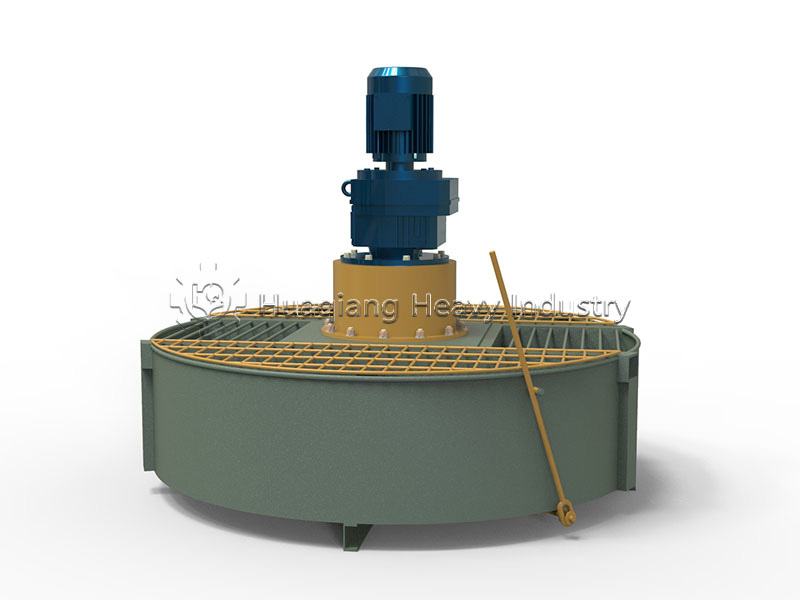
Standardized mixing and subsequent processing are essential. The weighed raw materials are fed into a fertilizer mixer machine, where mechanical mixing ensures uniform blending of all components. Strict control of the mixing time is crucial to prevent localized material agglomeration. If the mixed material is in powder form, it can be processed into granules using granulation equipment to improve transportation convenience and application uniformity. Finally, unqualified granules are removed by sieving, and the mixture is then quantitatively packaged using packaging equipment. Storage requires moisture protection to prevent clumping and spoilage.

The entire NPK blending fertilizer production line is simple and efficient, with its core strengths lying in the control of raw material purity, precise proportioning, and uniform mixing.

The connecting process of flat die granulator in organic fertilizer production line

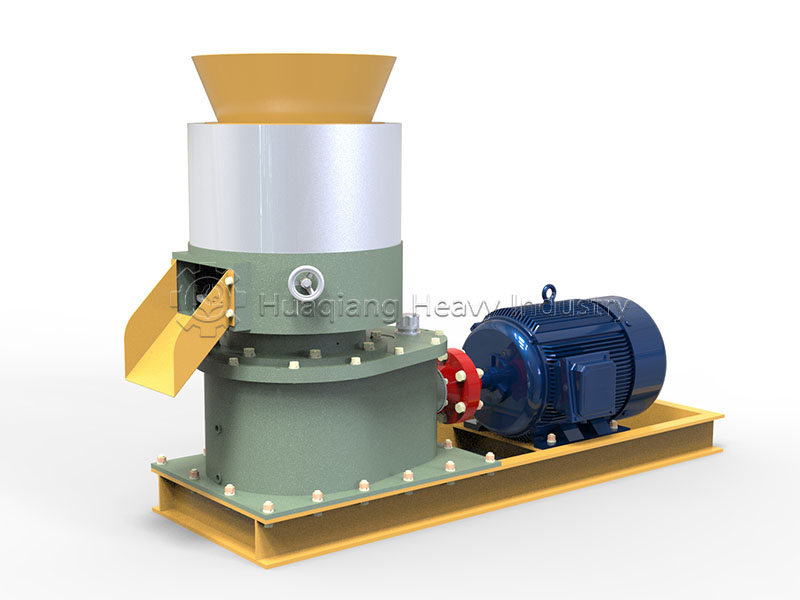
In the overall process of an organic fertilizer production line, the flat die granulator plays a crucial “bridging” role. It receives the organic fertilizer raw materials from the preceding processes, after fermentation, crushing, and mixing, transforming the loose, powdery material into structurally stable granules, laying the foundation for subsequent drying, cooling, and packaging stages.

From a working principle perspective, the flat die granulator uses a motor-driven transmission mechanism to rotate the pressure rollers. When the raw material enters the machine, the pressure rollers exert extrusion force on the material, forcing it through pre-set die holes on the flat die, ultimately forming cylindrical or other shaped granules. This process requires minimal binders, relying primarily on the material’s own viscosity and extrusion force to achieve shaping, thus preserving the nutritional components of the organic fertilizer while avoiding the potential impact of chemicals on the soil.

For organic fertilizer production, the flat die granulator not only solves the problems of dust and caking during raw material transportation, but also controls the diameter and hardness of the granules by adjusting the die size and pressure roller pressure, meeting the needs of different crops and different fertilization scenarios. It is one of the indispensable core equipment in the production line.

Rotary Screener: Master of Precision?

In modern industrial production, the rotary drum screening machine stands as a master sorter, bringing revolutionary breakthroughs to material classification through its unique dual-motion mode—the perfect combination of drum rotation and mechanical vibration. This equipment represents not only technological achievement but also the perfect embodiment of efficiency and precision across multiple production contexts.

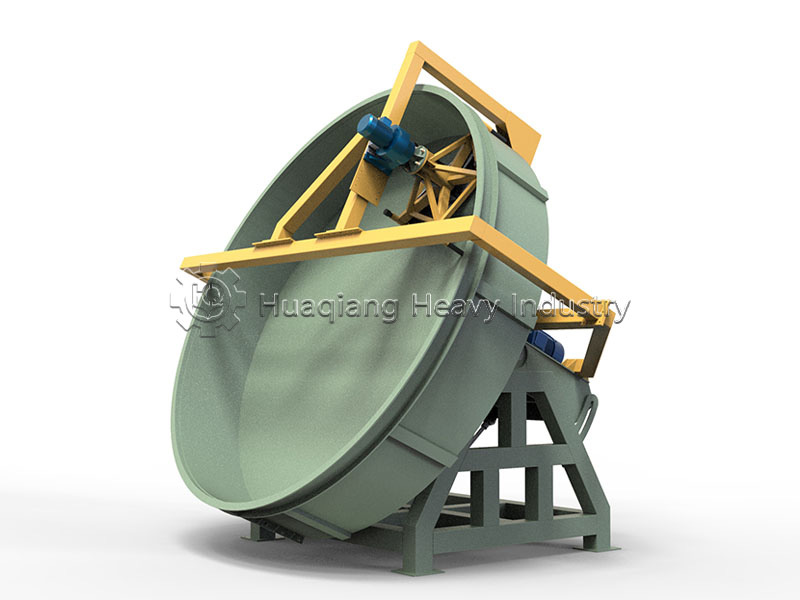
Within comprehensive fertilizer manufacturing systems, this screening technology integrates seamlessly with both organic fertilizer production line and npk fertilizer production line operations. Following the fertilizer granulator process—whether utilizing a disc granulator in a specialized disc granulation production line or other granulation methods—the screening machine ensures consistent product quality. For compound fertilizers, it works in concert with the npk blending machine to deliver precisely graded products, making it an indispensable component in any complete npk fertilizer line.

Exquisite Structure: Every Component Matters

Drum Body

As the core of the equipment, the drum body consists of screen mesh, support frame, and drum shell. The screen aperture is meticulously designed according to classification requirements, ensuring precise separation of materials with different particle sizes.

Vibration Device

High-frequency vibration generated by motors, eccentric blocks, or vibration springs ensures even material distribution within the drum, significantly improving screening efficiency and preventing material accumulation.

Drive System

Powerful motors combined with precision reducers provide smooth and reliable rotational power for the drum, ensuring long-term continuous stable operation.

Sealing Design

Advanced sealing devices effectively prevent dust leakage, maintaining a clean working environment while meeting modern industrial environmental requirements.

Wide Applications: Versatile Assistant Across Industries

Compound Fertilizer

Precisely separates return materials from finished products, achieving fine product classification

Mining Industry

Efficiently screens various ores, enhancing resource utilization

Building Materials

Accurately classifies sand and gravel aggregates, ensuring product quality

Food Processing

Hygienically and safely screens food raw materials, guaranteeing product quality

The most remarkable feature of the rotary vibrating screen is its unique working principle. It ingeniously combines the continuous operation capability of drum screens with the efficient screening characteristics of vibrating screens. Through drum rotation, materials are fully tumbled while vibration facilitates rapid passage of fine particles through the screen mesh, achieving a “1+1>2” screening effect.

Intelligent Design: Guarantee of Efficiency and Stability

The support device employs heavy-duty frames and precision bearings to ensure absolute stability during high-speed operation; carefully designed inlet and outlet ports facilitate smooth material flow and precise classification; intelligent control systems monitor equipment operation in real-time, enabling automated production. Every detail reflects the engineers’ ingenious craftsmanship.

The rotary screener represents not only significant progress in industrial screening technology but also an important manifestation of modern intelligent manufacturing. With its outstanding performance, wide applicability, and reliable operational stability, it plays an indispensable role in global industrial production. From mines to farms, from chemical plants to food workshops, this equipment continues to quietly drive various industries toward higher quality and greater efficiency through its precise and effective working methods.

The “Core Support” in the fermentation of oil palm empty fruit bunch organic fertilizer

Oil palm empty fruit bunch(OPEFB), rich in crude fiber and with a loose structure, are a high-quality raw material for organic fertilizer processing. However, these materials are prone to problems such as accumulation and oxygen deficiency, and uneven temperature during fermentation. The application of a compost turning machine provides crucial support for solving these problems, significantly improving the decomposition efficiency and quality of the oil palm empty fruit bunch.

In the fermentation stage of processing oil palm empty fruit bunch organic fertilizer, the crushed oil palm empty fruit bunch are first mixed with livestock and poultry manure, microbial agents, etc., in a certain proportion to form fermentation material. Because of the low density of oil palm empty fruit bunches, if left to stand for a long time after mixing, a closed space easily forms inside the material, leading to a decrease in the activity of aerobic microorganisms. This not only prolongs the decomposition period but may also produce unpleasant odors.

At this stage, the oil palm empty fruit bunch compost turning machine can periodically turn the fermentation pile, breaking up material clumps with mechanical force and introducing air into the pile to provide sufficient oxygen for microbial reproduction. Simultaneously, the turning process allows for thorough exchange of material throughout the pile, preventing localized overheating or underheating and maintaining the pile at a suitable composting temperature of 55-65℃, thus accelerating the decomposition and transformation of coarse fibers in the oil palm empty fruit bunch.

Furthermore, the compost turning machine can flexibly adjust the turning frequency according to the moisture content of the fermentation material. If the material is too moist due to the high hygroscopicity of the oil palm empty fruit bunch, increasing the number of turns can promote moisture evaporation; if the material is too dry, it can be turned simultaneously with the water replenishment process to ensure uniform moisture content.

Key equipment for “Formed Utilization” of oil palm empty fruit bunch organic fertilizer

After fermentation and decomposition, oil palm empty fruit bunch(OPEFB) form loose organic material. While this material possesses fertilizer value, it presents challenges such as dust generation during transportation, space requirements for storage, and uneven application. The application of fertilizer granulators transforms this “loose powder” into “formed granules,” significantly enhancing its commercial and practical value.

In the granulation process of oil palm empty fruit bunch organic fertilizer, the decomposed material must first be crushed and sieved to ensure uniform particle size before being conveyed to the fertilizer granulator. Considering that oil palm empty fruit bunch retain a certain degree of fiber toughness after fermentation, the granulator must use a suitable extrusion or granulation process to compress the loose material into shape. For example, flat die granulators, with their larger roller contact area, can adapt to the forming requirements of fibrous materials. During extrusion, they prevent fiber entanglement from clogging the die holes and ensure appropriate particle density and hardness, avoiding breakage during transportation and storage.

The oil palm empty fruit bunch fertilizer granulator can also control the diameter and length of the organic fertilizer granules from oil palm empty fruit bunch by adjusting the die size or granulation parameters according to market demand, meeting the application habits of different crops. The formed granular organic fertilizer not only solves the dust problem, but also enables uniform spreading during application, reducing fertilizer waste; at the same time, the granular structure slows down the nutrient release rate, which matches the long-lasting fertilizer effect of the oil palm empty fruit bunch organic fertilizer, further improving fertilizer utilization.

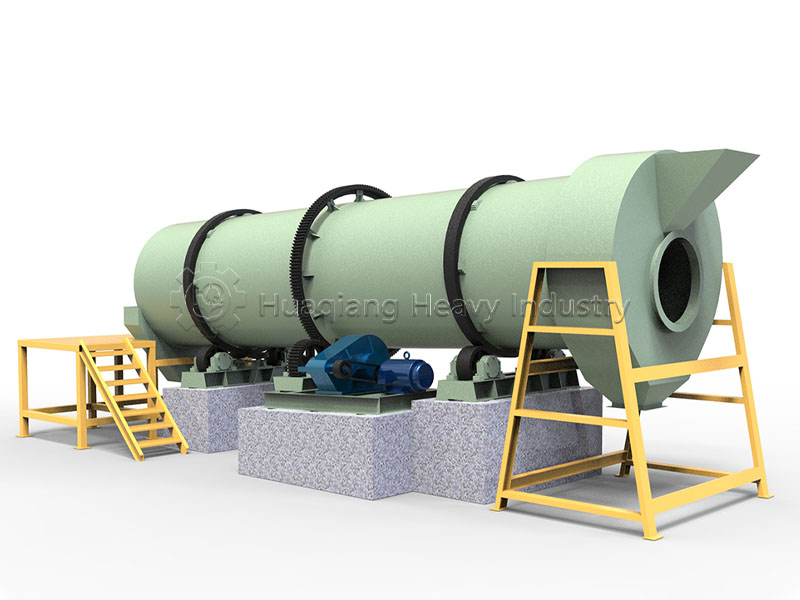
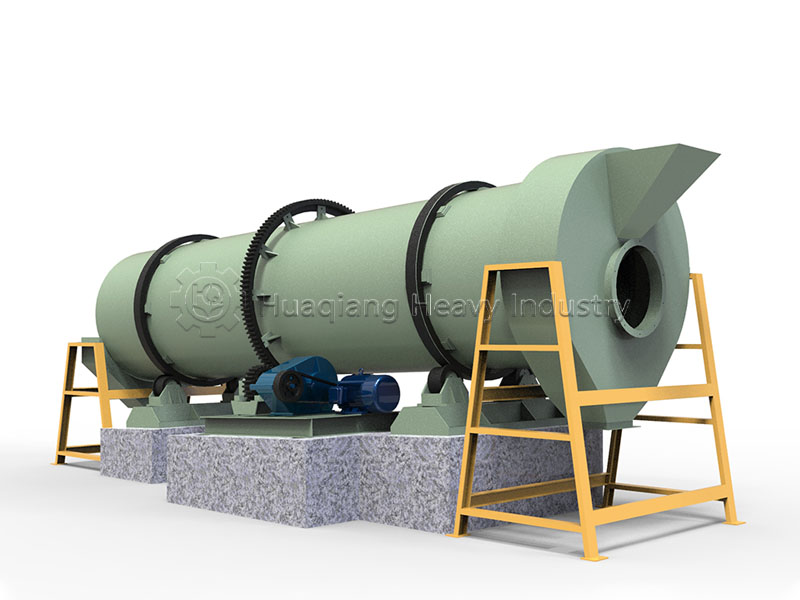
Daily maintenance of drum fertilizer coolers: Key points to extend equipment life

Drum fertilizer coolers are continuously operating industrial equipment. Inadequate routine maintenance can easily lead to frequent failures, impacting production schedules and shortening equipment lifespan.

First, regularly inspect the transmission system. The bearings and gears in the transmission are highly consumable and should be inspected weekly. Observe the bearings for unusual noises or heat buildup. Excessive temperatures may indicate insufficient lubrication or bearing wear, requiring timely lubrication or bearing replacement.

Second, ensure the cooling system is clean. Prolonged cleaning of the cooling jacket can lead to accumulation of scale and impurities, impairing heat transfer and reducing cooling effectiveness. It is recommended to clean the jacket every three months. If using cold water cooling, circulate a citric acid solution to remove scale. If using cold air cooling, clean the air inlet filter monthly to prevent dust from clogging the filter and reducing air flow.

Third, inspect the sealing components for leaks. Seals at the feed, discharge, and exhaust ports (such as rubber rings and asbestos gaskets) are prone to leakage due to wear and aging. They should be inspected monthly. If dust or cooling medium leakage is detected, the seals should be replaced promptly.

Fourth, regularly clean the drum fertilizer cooler interior. Even with suitable materials, a small amount of material may remain on the drum interior after long-term operation. If not cleaned, this material will gradually accumulate and affect the uniformity of material turnover. It is recommended to use a special scraper to clean any remaining material from the drum fertilizer cooler interior after weekly shutdown.

Intelligent control: Improving the stability of organic fertilizer production lines

With the large-scale development of organic fertilizer production, intelligent control has gradually become a core means of improving organic fertilizer production line stability. Compared to traditional manual monitoring, intelligent systems can precisely control key parameters, reduce operational errors, and ensure consistent finished product quality.

Intelligent control is primarily applied in three key areas: First, fermentation process monitoring. By deploying temperature, humidity, and oxygen concentration sensors, the system collects real-time data from the fermentation chamber. When parameters deviate from the appropriate range, the system automatically triggers an alarm and adjusts the turning frequency and ventilation volume to prevent under- or over-roasting of the material. Second, granulation process control. Based on changes in material moisture content, the system automatically adjusts the fertilizer granulator machine speed and binder dosage to minimize problems such as granule clumping and breakage. Third, production data management. The system automatically records operational data from each stage, creating a production ledger that facilitates process traceability and allows for optimization of process parameters through data review.

This intelligent transformation of organic fertilizer production lines does not require replacing core equipment; it is often achieved through the addition of sensors and upgraded control systems. This reduces labor costs and improves the yield of finished products, making it suitable for small and medium-sized production enterprises to implement gradually.

Back To Top