Category: organic fertilizer equipment

NPK fertilizer mixer machine: The core of precise nutrient mixing

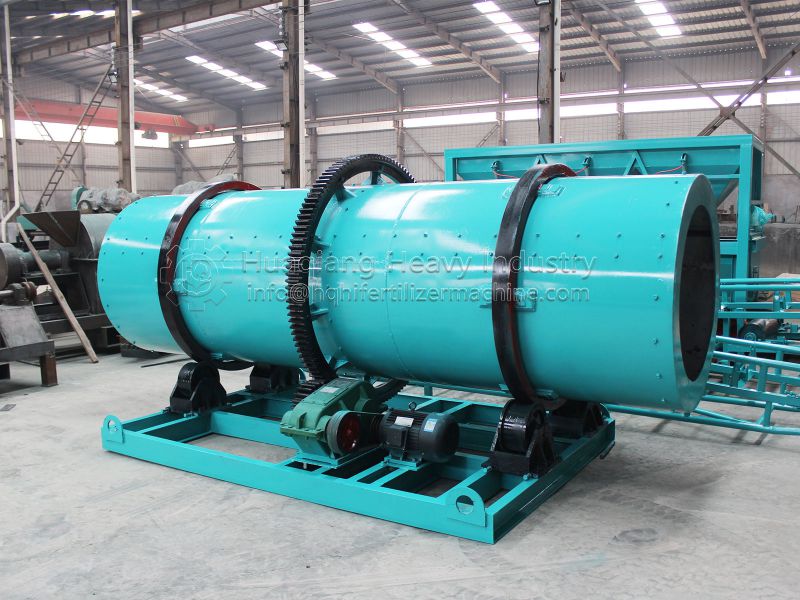
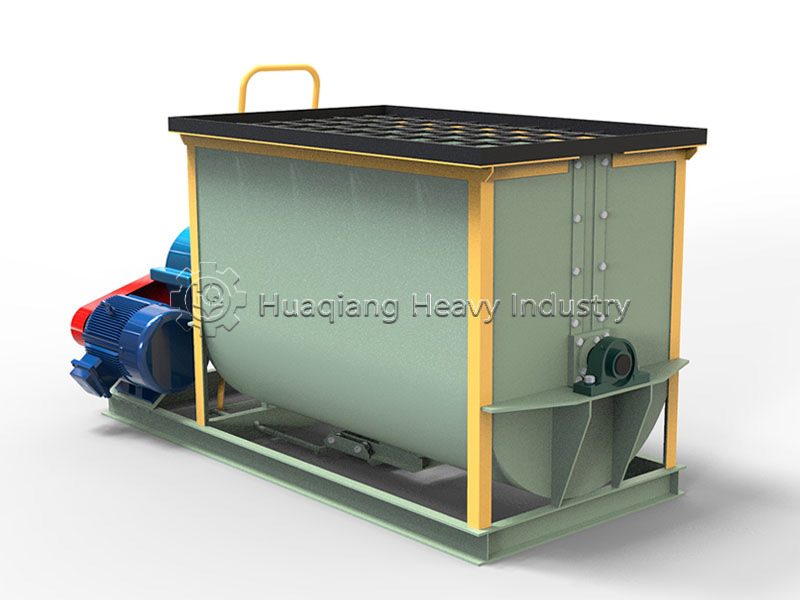
In the NPK fertilizer production process, the fertilizer mixer machine is a key piece of equipment determining the nutrient balance of the product. Its core function is to fully blend nitrogen, phosphorus, and potassium raw materials, as well as trace elements and slow-release agents, ensuring that the nutrient ratio of each fertilizer granule is consistent with the formula, providing a fundamental guarantee for precision fertilization.

Raw material compatibility is its outstanding advantage. NPK fertilizer raw materials have diverse forms and a wide range of specific gravities, requiring the mixer to have a wide range of adaptability. By adjusting parameters such as mixing speed and blade angle, it can adapt to raw materials with different particle sizes (0.5-4 mm) and different moisture contents (≤5%), preventing light raw materials from floating and accumulating, and avoiding heavy raw materials from settling and stratifying, ensuring stable mixing results.

Operation and practicality are designed to meet production needs. Fertilizer mixer machines are typically equipped with a simple control system, allowing for adjustments to the mixing time (generally 5-15 minutes) based on formula complexity, meeting the diverse needs of mass production and small-batch customization. Some models feature an openable chamber design, facilitating the cleaning of residual materials and reducing cross-contamination during formula changes. Simultaneously, the enclosed structure effectively controls dust emissions, minimizing raw material waste and environmental impact, aligning with environmentally friendly production requirements.

As the “nutrient integration hub” of the NPK fertilizer production line, the mixer’s stable adaptability, precise mixing capabilities, and user-friendly operation enable accurate implementation of NPK fertilizer formulations, providing reliable equipment support for precision fertilization in modern agriculture.

Common troubleshooting and solutions for double screws compost turning machines

Double screws compost turning machines operate frequently in organic fertilizer fermentation workshops. Improper operation or untimely maintenance can easily lead to problems such as uneven turning, insufficient power, and equipment jamming, impacting fermentation progress.

1.Dead corners remain after turning, and some areas remain uncomposted

The main cause is excessive clearance between the spiral blades and the sidewalls of the fermentation tank (over 10 cm), or the double screws compost turning machine is moving too fast, preventing material from being turned over the edges. To address this, adjust the position of the spiral blades to reduce the clearance to within 5 cm. Also, reduce the double screws compost turning machine’s speed to ensure that every area is thoroughly turned.

2.Motor overload and tripping, insufficient power

This is often caused by excessive moisture content (over 70%) in the raw materials, resulting in increased friction on the spiral blades due to high viscosity, or by large impurities in the raw materials that may be blocking the blades. To address this, adjust the moisture content of the raw materials to 60%-65% before clearing impurities from the fermentation tank. If the compost tank is frequently overloaded, check the tightness of the motor belt and tighten or replace it.

3.Rapid wear of spiral blades, reducing turning capacity

This is primarily due to the presence of hard impurities (such as sand and gravel) in the raw materials, or the blade material not being suitable for wear resistance. To address this, install a screen to filter out hard particles before the raw materials arrive. Regularly inspect the blades for wear. If the blade thickness has decreased by 1/3 or cracks appear, replace them promptly.

How do BB fertilizer companies of different production capacities choose the right mixer operating mode?

The differences in production capacity among BB fertilizer companies (small-scale with daily production capacity below 50 tons, large-scale with daily production capacity above 100 tons) directly influence the choice of BB fertilizer mixer operating mode. Choosing the right mode can improve efficiency by over 30%.

Small-scale companies often operate in batch mode, making the “batch mixing + staged feeding” mode suitable: the single mixing volume is set at 70% of the equipment’s capacity, and feeding is carried out in three batches: 60% base granular fertilizer is added first, followed by 30% powdered raw materials after three minutes of mixing, and finally 10% trace additives. The total mixing time is kept to 10-12 minutes. This mode avoids energy waste caused by idling equipment for small batches of raw materials and facilitates flexible switching of fertilizer formulas.

Large-scale continuous production companies require a “continuous mixing + flow linkage” model: raw materials are continuously fed into the BB fertilizer mixer in proportion via a conveyor belt. The raw material flow rate is linked to the mixing speed. An online detection device is installed at the BB fertilizer mixer outlet to monitor mixing uniformity in real time. If the coefficient of variation exceeds 5%, feedback is immediately provided to adjust the feed ratio. Furthermore, continuous production requires cleaning of the drum wall every four hours to prevent long-term accumulation that can affect the quality of subsequent batches.

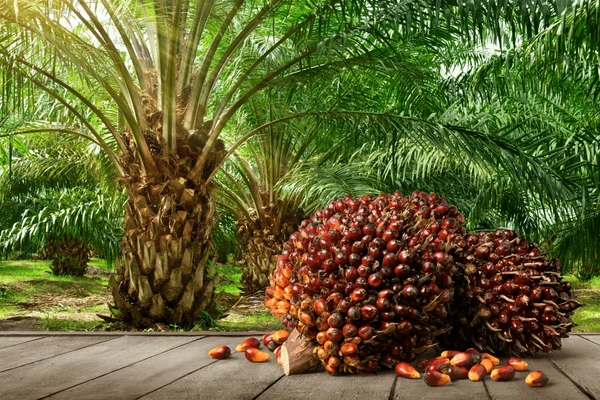
Oil palm empty fruit bunch: “Green Raw Materials” for organic fertilizer production lines

As a major waste product of the oil palm processing industry, oil palm empty fruit bunch, with their rich organic matter and unique physical properties, have become a high-quality raw material for organic fertilizer production lines. Their deep integration with various stages of the production line not only realizes waste resource utilization but also optimizes the organic fertilizer production process.

In the raw material pretreatment stage, oil palm empty fruit bunch need to be processed by crushing equipment to break them into 1-3 mm granular materials. This removes coarse and hard impurities while retaining an appropriate amount of fiber structure. The crushed material is then mixed with livestock and poultry manure, microbial agents, etc., in a specific ratio. Its loose properties naturally adjust the carbon-nitrogen ratio of the mixture while improving its permeability, laying the foundation for subsequent fermentation.

In the fermentation stage, oil palm empty fruit bunch a highly efficient combination with a compost turning machine. During the composting and fermentation of the mixed materials, the fibrous structure of the oil palm empty fruit bunch prevents the pile from compacting, while the periodic turning by the compost turner further enhances aeration, allowing aerobic microorganisms to multiply rapidly and maintaining the composting temperature at a stable 55-65℃.

In the post-processing stage, the composted oil palm empty fruit bunches are suitable for the forming requirements of organic fertilizer granulators. Their residual fiber toughness enhances granule cohesion, preventing breakage due to compression during granulation and avoiding die clogging, thus improving granulation efficiency. The formed granular organic fertilizer, retaining some of its fibrous structure, possesses both long-lasting fertilizing effects and soil-improving functions.

The deep integration of oil palm empty fruit bunch with the organic fertilizer production line solves the waste disposal problem and optimizes the production process through the characteristics of the raw materials.

Composting and Fermentation Technology Details

Comparative Analysis of Two Methods

A comparative analysis between composting (aerobic) and fermentation (anaerobic) reveals significant operational and practical differences. In terms of time required, composting typically demands 2-3 months for completion, whereas fermentation is a considerably faster process, concluding within just 1-3 weeks. The fundamental oxygen requirement starkly contrasts between the two: composting necessitates regular turning for aeration to maintain aerobic conditions, while fermentation occurs in a completely sealed, oxygen-free environment. Regarding the final product, composting yields a valuable solid soil amendment, and fermentation produces a concentrated liquid fertilizer. The nutrient profile also differs substantially—composting provides comprehensive, slow-release nutrition, making it ideal for basic soil improvement, whereas fermentation generates fast-acting nutrients that allow for quick plant nutrient supplementation.

This analysis shows that these two fermentation and composting technologies for organic fertilizers play complementary roles in sustainable agriculture, with composting improving long-term soil health and fermentation meeting the immediate nutritional needs of plants.

Unique Advantages of Composting

Composting not only provides plant nutrition but more importantly improves soil physical structure, increases soil organic matter content, and enhances soil water and nutrient retention capacity. The high temperatures generated during composting can also kill pathogens and weed seeds.

Unique Advantages of Fermented Liquid

Fermented liquid fertilizer contains rich microbial metabolites and plant growth-promoting substances that can be quickly absorbed and utilized by plants. It is particularly suitable for nutritional supplementation during critical growth stages of plants, with fast results and convenient application.

Practical Operation Tips

Key Points for Successful Composting

  • Maintain proper carbon to nitrogen ratio (25-30:1)
  • Control appropriate moisture (40-60%)
  • Ensure adequate aeration
  • Maintain fermentation temperature (50-65℃)

Key Points for Successful Fermentation

  • Select fresh organic materials
  • Control sugar addition amount
  • Ensure sealing but leave ventilation
  • Ferment at appropriate temperature

Innovative Application Suggestions

The integration of composting and fermentation technologies creates an optimal fertilizer production machine system that delivers comprehensive plant nutrition. This begins with efficient composting operations using specialized equipment like the large wheel compost turner and chain compost turner, which are essential components in the organic fertilizer production line. These windrow machine solutions ensure proper aeration and decomposition, forming the foundation of soil fertility improvement.

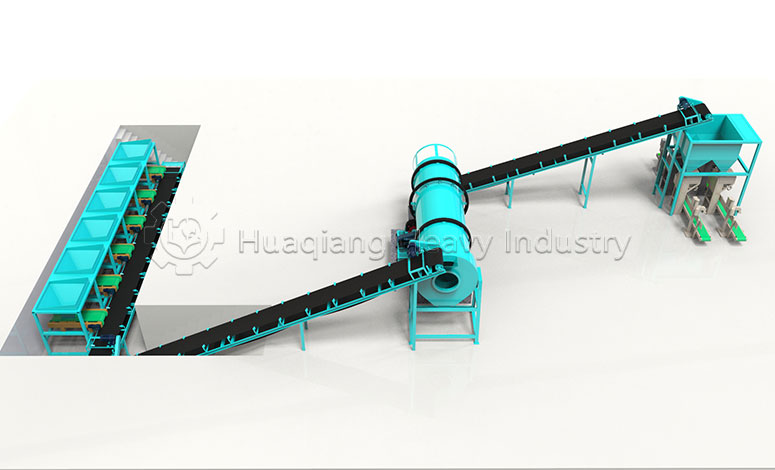
Following the composting phase, the production process utilizes advanced fertilizer making machine equipment including the disc granulation production line and fertilizer granulator to transform organic matter into usable fertilizers. The complete bio organic fertilizer production line incorporates all equipments required for biofertilizer production, such as the drum organic fertilizer dryer for moisture control and various compost fertilizer machine units for processing. This integrated approach creates a “long-term + immediate effect” combination that meets plant nutritional requirements throughout the growth cycle while maintaining optimal soil health through sustainable production methods.

New type organic fertilizer granulator: Unlocking unique advantages of multi-dimensional upgrades

As the organic fertilizer industry transforms towards high efficiency and green practices, the new type organic fertilizer granulator has developed unique advantages over traditional equipment through technological upgrades. It addresses the pain points of traditional granulators while meeting the demands of modern production and the market.

1.Versatile Raw Material Compatibility

The granulator is compatible with not only conventional raw materials such as livestock manure and straw, but also efficiently processes high-fiber (oil palm empty fruit bunch, mushroom residue) and high-moisture (30%-40%) raw materials that are difficult to form. Optimized extrusion structure and die design prevent blockages caused by fiber entanglement and material adhesion.

2.Low Energy Consumption and Environmental Protection

The new type organic fertilizer granulator uses an energy-saving motor and optimized transmission structure, resulting in low energy consumption. Simultaneously, the fully enclosed design, coupled with a dust recovery device, keeps dust generation during the granulation process to extremely low levels, reducing the impact on the workshop environment and operators.

3.Intelligent and Precise Parameter Control

The granulator incorporates a simple intelligent control system that automatically adjusts parameters such as roller pressure and speed based on raw material characteristics (humidity, particle size, viscosity). This eliminates the need for frequent manual adjustments, ensuring stable production of uniform granules with the required hardness.

4.Improved Granule Quality and Production Efficiency

By optimizing the contact method between the rollers and the die, the new type organic fertilizer granulator increases the material forming rate, reducing raw material waste. The formed granules are not only dense and less prone to breakage, but also form a uniform porous structure, facilitating the slow release of nutrients. Simultaneously, the equipment’s anti-clogging design and easy-to-clean structure reduce downtime for maintenance.

Multi-dimensional adaptation requirements of NPK fertilizer production lines for granulators

As NPK fertilizers transition towards “precise formulation and scenario-based adaptation,” granulators, as the core forming equipment in NPK fertilizer production lines, must adapt to customized production requirements involving multiple formulations, multiple forms, and high uniformity. Their performance directly determines the nutrient stability and application suitability of NPK fertilizers.

1.Formulation Compatibility

NPK fertilizer formulations are flexible and varied, not only with significant differences in nitrogen, phosphorus, and potassium ratios but also often including trace elements and slow-release agents. The specific gravity and viscosity of raw materials vary greatly. Fertilizer granulators must have a wide range of raw material adaptability capabilities, handling both free-flowing raw materials such as urea and potassium chloride, and compatible with composite raw materials containing viscous components such as humic acid and amino acids, avoiding granule agglomeration and uneven forming rates due to differences in raw material characteristics.

2.Precise and Flexible Parameter Adjustability

Different crops and different fertilization scenarios have different requirements for NPK granule size, hardness, and dissolution rate. Fertilizer granulators need to support precise control of granule parameters, allowing for rapid switching of granule diameter (1-5 mm) and hardness grade by adjusting parameters such as die size, extrusion pressure, and rotation speed.

3.Low Loss and Environmental Friendliness

NPK raw materials are mostly chemical or compound materials. During granulation, it is necessary to avoid high temperatures or excessive extrusion that could lead to nutrient loss. The granulator must employ a low-temperature molding process to maximize the preservation of raw material activity. Simultaneously, a closed design must reduce dust emission, minimizing raw material waste and environmental impact.

Flat die pelleting machine: Protecting the activity of microbial agents in low-temperature granulation

The core challenge in biofertilizer production lies in ensuring that the granulation process does not destroy the activity of the microbial agent. Most functional bacteria (such as Bacillus subtilis and Trichoderma harzianum) are significantly inactivated at temperatures above 45°C. The flat die pelleting machine, with its low-temperature granulation capabilities, is a suitable choice for biofertilizer production. Its core advantage lies in its low-friction, no-additional-heat granulation process.

The flat die pelleting machine utilizes a vertical extrusion process, with the rollers and the die in contact with each other over a surface area rather than at points. This results in more uniform force per unit area, less frictional heat generation, and a temperature within the granulation chamber typically maintained at 35-40°C, well below the inactivation threshold of the microbial agent.

Furthermore, the machine does not rely on high-temperature conditioning or hot air conditioning; instead, it achieves granulation solely through the viscosity of the raw material and moderate extrusion, eliminating the need for additional heat input.

Furthermore, the flat die granulator’s speed is adjustable (typically 30-50 rpm). For biofertilizer raw materials with high microbial content, the speed can be reduced to below 30 rpm to further reduce frictional heat generation and ensure a microbial survival rate above 85%.

In practical applications, it is even more effective when used with a “room-temperature binder.” This eliminates the need for heating and dissolving the pellets, while also improving the pelletizing efficiency and complementing the flat die pelleting machine‘s low-temperature characteristics. This ensures the biofertilizer’s core function (microbial activity) while producing uniform pellets, meeting the dual requirements of “functionality” and “commerciality.”

Operational adjustment tips for ring die granulators in low-temperature environments

During winter in northern China or in low-temperature workshops (temperatures below 5°C), ring die granulators are prone to low pelletizing efficiency and poor pellet formation due to decreased raw material viscosity and insufficient lubrication of equipment components. Targeted adjustments are required to ensure proper operation.

During raw material processing, an electric heater can be added to the conditioner to preheat the raw materials to 15-20°C. This increases raw material molecular activity and viscosity, preventing low-temperature conditions that can lead to agglomeration and difficulty in extrusion.

Also, the steam saturation can be appropriately increased (from 80% to over 90%) to utilize steam heat to assist in heating the raw materials and prevent moisture from freezing at low temperatures, which can affect pelletizing. During raw material storage, insulation should be installed in the silo to prevent the raw materials from cooling too low during storage and avoid wasted energy from secondary heating.

Before operating the ring die granulator, preheat the ring die and rollers for 30 minutes. This can be done by running the machine at no load to allow frictional heating, or by wrapping the outer ring die with an electric heat tracer. The temperature should be set between 25-30°C to prevent the raw material from solidifying and clogging the die bore due to low temperatures. The lubricant should also be replaced with a low-temperature-specific lubricant (viscosity grade 46#) to prevent freezing and potentially blocking transmission components. The lubricant fluidity should be checked every two hours to ensure proper lubrication.

These adjustments can effectively mitigate the effects of low temperatures on the ring die granulator, ensuring a pellet formation rate above 95% and preventing material waste due to low temperatures.

Organic fertilizer production line processing chicken manure: A comprehensive analysis of key considerations

Chicken manure, rich in nutrients and widely available, is a high-quality raw material for organic fertilizer production. However, due to its high moisture content, susceptibility to fermentation and spoilage, and the presence of impurities, key processes must be carefully controlled to ensure product quality and smooth production.

Pretreatment is fundamental. Fresh chicken manure typically has a moisture content of 70%-80%. It needs to be reduced to 55%-60% using organic fertilizer production equipment to prevent anaerobic putrefaction during fermentation. Simultaneously, impurities such as stones, plastics, and feathers must be removed manually or mechanically to prevent damage to subsequent equipment. If the chicken manure is severely clumped, it needs to be crushed to ensure uniform particle size, laying the foundation for fermentation.

The fermentation stage is crucial. Chicken manure has a high nitrogen content and needs to be mixed with straw, sawdust, and other carbon source materials in a specific ratio to adjust the carbon-to-nitrogen ratio to 25-30:1, promoting microbial activity. During fermentation, the compost pile needs to be turned regularly using a compost turning machine to ensure aeration and maintain a high temperature of 55-65℃ for 7-15 days to achieve sterilization, insect control, and decomposition.

Subsequent processing must be standardized. The decomposed chicken manure needs to be crushed and screened again to ensure there are no large pieces of uncomposted material, with a particle size controlled within 2 mm for easy granulation. During granulation, the material moisture content must be controlled at 20%-30% to avoid clogging the die holes; the drying temperature should not exceed 80℃ to prevent damage to organic matter and beneficial microorganisms. Simultaneously, the entire organic fertilizer production line must be properly sealed and deodorized to reduce odor diffusion and meet environmental protection requirements.

Back To Top