Category: organic fertilizer equipment

Ring die pelleting machines: Why can they adapt to the different needs of organic and compound fertilizers?

In the fertilizer industry, the physical properties of organic fertilizers (mostly made from fermented manure and straw) and compound fertilizers (mostly made from phosphate rock, potassium chloride, and urea) differ significantly. Organic fertilizers are fibrous, highly moist, and prone to sticking together, while compound fertilizers are hard, fiberless, and require high-hardness molding. Ring die pelleting machines, through their “adjustable structure + material adaptability,” can meet the granulation needs of both fertilizer types.

For organic fertilizer granulation, ring die pelleting machines offer two key design advantages: First, they utilize a “low compression ratio” ring die (3:1-5:1) to avoid excessive compression that damages the organic matter and bacterial inoculant activity in the raw material, while ensuring that the granules do not break apart. Second, they feature an “anti-sticking die conditioning system” that precisely controls the amount of water added and a small amount of binder (such as starch residue) to reduce material sticking to the die, thereby improving molding efficiency and discharge speed.

For compound fertilizer granulation, the ring die pelleting machine focuses on “wear resistance and high extrusion capacity”: the ring die is made of wear-resistant alloy material, which can withstand the high-frequency friction of mineral raw materials and has a service life three times longer than that of ordinary materials; the pressure roller is hardened to enhance the extrusion force, and is equipped with a “high compression ratio ring die” (6:1-8:1) to ensure that the hardness of the compound fertilizer particles meets the standard.

Smallholder farmers and large-scale farming: Differentiated designs for organic fertilizer production lines

Organic fertilizer production lines require flexible design based on the scale of the farming entities. Given the dispersed nature of smallholder farming, small-scale organic fertilizer production lines must offer the advantages of low investment, ease of operation, and portability. For example, modular equipment combinations can be used, with a single line’s daily production capacity limited to 10-50 tons. These lines also support on-site assembly and commissioning, adapting to smallholder farmers’ space and funding needs. Operational processes are streamlined, and one-click control systems lower the technical barriers to entry. Some small-scale lines also feature mobile crushing units, allowing for direct processing of straw in the field.

Large-scale farming (such as 10,000-acre orchards or contiguous farmlands) requires continuous production lines equipped with automated batching, intelligent fermentation monitoring, and large-scale cooling and screening systems to achieve 24/7 uninterrupted production, with daily production capacity reaching hundreds of tons. These lines also require supporting raw material warehousing and a cold chain for finished products to meet the continuous demands of large-scale fertilization.

In addition, to meet the “customized small batch” needs of small farmers, the organic fertilizer production line needs to support rapid switching between multiple recipes, while large-scale production lines focus on “standardized large batches” and ensure that the quality error of each batch of products does not exceed 5% through stable process parameters. This differentiated design enables the organic fertilizer production line to meet the needs of different planting entities.

Disc granulators “roll” out rounded fertilizer, while double roller press granulators “press” out hard, dense material

In the forming process of organic and compound fertilizers, disc granulators and double roller press granulators, with their different shaping logics, have become organic fertilizer granulators adaptable to different raw materials and needs. They not only meet the requirements of diverse fertilizer forms but also make the granulation process more aligned with actual production scenarios.

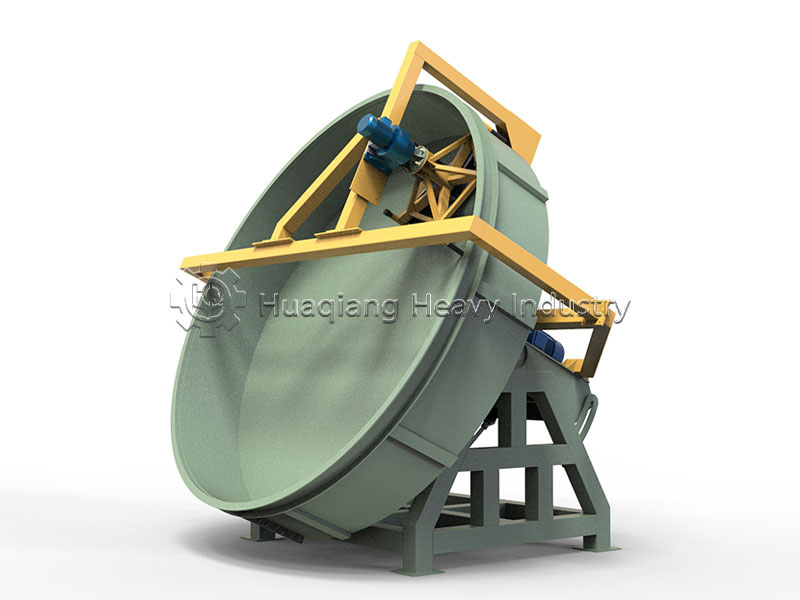
The core of disc granulators is “rolling agglomeration.” This method is more suitable for organic raw materials with moderate moisture content, such as well-rotted cow manure and straw substrates. The formed granules have a smooth appearance and moderate density, which not only promotes microbial survival (especially suitable for bio-organic fertilizers) but also facilitates subsequent storage and mechanized application, preventing clumping.

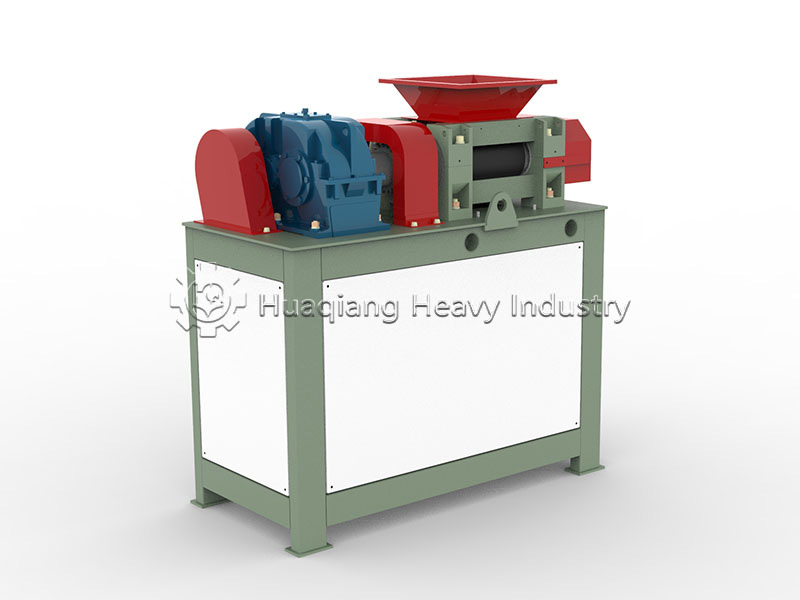
Double roller press granulators, on the other hand, follow a “pressure shaping” approach. The advantages of this process are that it requires no binder, has high forming efficiency, and produces granules with high hardness and strong moisture resistance. It is particularly suitable for granulating high-concentration fertilizers or dry raw materials, solving the problems of these materials being difficult to agglomerate and prone to scattering.

For those seeking granule roundness and bioactivity, disc granulators are the preferred choice; for those prioritizing high hardness, dry material forming, and binder-free processes, double roller press granulators are more suitable. These technologies address the pain points of fertilizer forming from different perspectives, providing flexible support for the diverse needs of fertilizer production.

Sustainable Fertilizer Production: Small Scale to Industrial

With the growing global demand for sustainable agriculture, fertilizer production technology is undergoing a transformation from traditional methods to modern, large-scale production. Both small-scale organic fertilizer production and large-scale industrial NPK fertilizer manufacturing are making important contributions to global food security.

Organic Fertilizer Production Process

Organic fertilizer production begins with the fermentation process. During the organic fertilizer fermentation process, raw materials are converted into stable organic matter through microbial decomposition. To improve fermentation efficiency, producers typically use chain compost turners or wheel compost turners to regularly turn the compost materials, ensuring adequate oxygen supply and uniform fermentation results.

After fermentation is completed, the materials enter the granulation stage. The organic fertilizer granulator plays a key role in this process, with the disc granulator being widely popular due to its simple operation and strong adaptability. For more specialized production needs, the disc granulation production line can achieve efficient continuous and automated production.

Advanced Bio-organic Fertilizer Production

The bio organic fertilizer production line combines traditional organic fertilizer production with beneficial microorganism cultivation. This production line not only includes standard organic fertilizer production equipment but also adds special processes such as microbial inoculation and low-temperature drying to ensure the activity of functional strains is maintained.

In bio-organic fertilizer production, the double roller granulator shows unique advantages. This fertilizer granulator compresses materials into uniform particles through two counter-rotating rollers, making it particularly suitable for temperature-sensitive microbial fertilizer production as it can complete granulation without high-temperature processes.

Industrial NPK Fertilizer Production

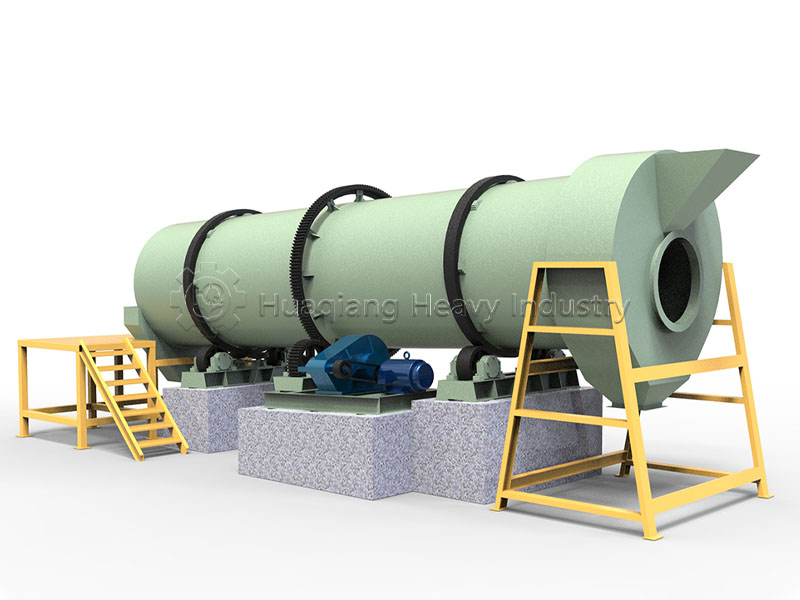
Industrial-scale NPK fertilizer production employs more complex and precise NPK production processes. Drum granulation technology plays an important role in this field, forming uniform particles from raw materials through the rotational movement of the rotating drum.

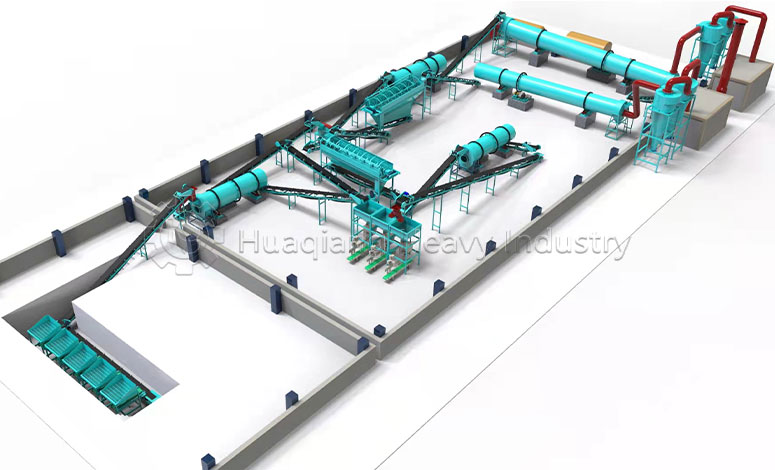
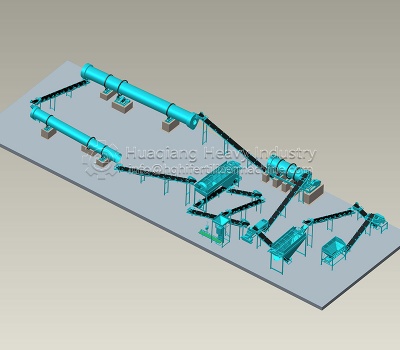
A complete NPK fertilizer production line contains multiple process units, from raw material crushing and proportional batching to mixing and granulation, drying and cooling, and finally to screening and packaging. The NPK fertilizer granulator, as the core equipment, directly affects the quality of the final product and production efficiency.

The development of modern fertilizer making machines enables suitable solutions for various production scales from small to large. Whether simple organic fertilizer granulators or complex fertilizer manufacturing units, all are continuously developing towards higher efficiency and environmental friendliness.

Future Prospects for Sustainable Production

With technological advancements, fertilizer production is becoming more intelligent and resource-efficient. From organic fertilizer fermentation utilizing agricultural waste to precisely proportioned NPK production processes, every step contributes to achieving sustainable agricultural development.

From small-scale farm organic fertilizer production to large-scale industrial NPK fertilizer manufacturing, sustainable fertilizer production technologies are being promoted worldwide. These technologies not only improve fertilizer use efficiency but also reduce environmental impact, laying a solid foundation for the sustainable development of future agriculture.

The Hydraulic Compost Turning Machine: Giving New Life to Organic Waste

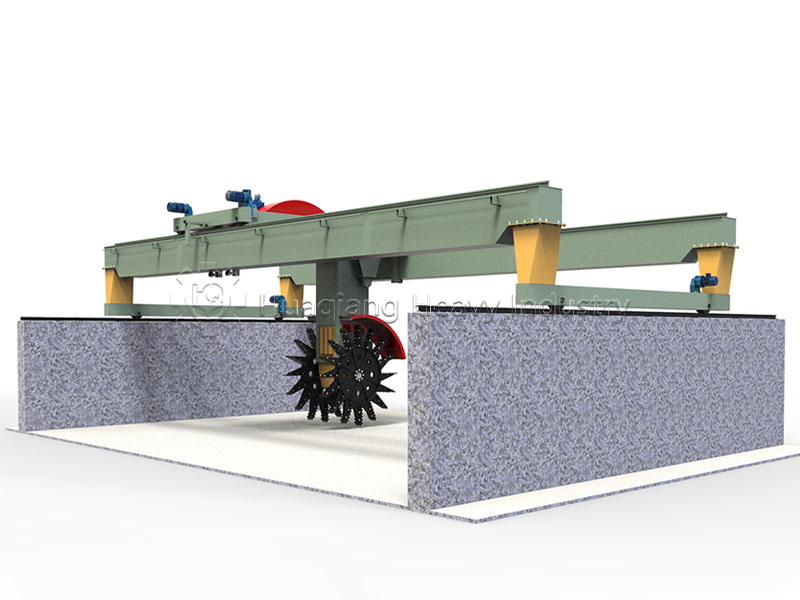
In the field of organic waste treatment, one piece of equipment is quietly transforming our environment—the hydraulic trough-type compost turner. This innovative machine acts like a tireless magician, converting seemingly useless organic materials such as livestock manure, crop straw, and kitchen waste into valuable organic fertilizer and bioenergy through a miraculous fermentation process.

The core appeal of the hydraulic compost turning machine lies in its precision hydraulic drive system. Compared to traditional machinery, the hydraulic system delivers smoother power output and more precise control, making turning operations effortless. Whether moving steadily along the fermentation trough or thoroughly mixing deep into the material pile, the hydraulic system ensures every action is perfectly executed.

Sophisticated Design, Efficient Operation

The brilliance of this equipment is reflected in its complete system configuration. The traveling mechanism serves as the “legs” of the device, equipped with hydraulic motors and traveling wheels to move smoothly along the guide rails. The turning and mixing mechanism functions like dexterous “hands,” using hydraulically driven mixing blades or spiral devices to penetrate deep into the material for thorough mixing. This deep operation not only ensures uniform mixing but also effectively increases oxygen supply, creating an ideal environment for microbial activity.

Intelligent Control, Safe and Reliable

Modern hydraulic compost turning machines are equipped with advanced intelligent control systems. PLC or microcomputer control enables fully automated operation. From traveling speed to turning frequency, from oxygen supply to operating time, all parameters can be precisely regulated. Meanwhile, a comprehensive safety protection system provides all-around security for both the equipment and operators, perfectly combining efficient production with safe operation.

Advanced Composting Solutions for Sustainable Agriculture

In today’s environmentally conscious world, hydraulic trough-type compost turners and hydraulic compost turning machines have become indispensable in the organic fertilizer production line and bio organic fertilizer production line. These advanced fertilizer production machines efficiently manage the organic fertilizer fermentation process, transforming waste into valuable resources.

The comprehensive equipments required for biofertilizer production include various compost fertilizer machines such as large wheel compost turners, chain compost turners, and specialized windrow machines. Each fertilizer making machine plays a crucial role in optimizing organic fertilizer fermentation, ensuring proper aeration, temperature control, and microbial activity.

These sophisticated composting systems not only address organic waste management challenges but also enable complete resource recycling. By efficiently processing agricultural and municipal waste into high-quality organic fertilizers, they contribute significantly to sustainable development and circular economy initiatives, supporting greener agricultural practices worldwide.

The core support of fermentation in bio-organic fertilizer production lines

In the entire process of turning waste into treasure in bio-organic fertilizer production, every step of the production line is crucial for the preservation and transformation of organic nutrients. The windrow compost turning machine is the “key driver” in the fermentation stage, solving the pain points of large-scale organic material composting with its flexible operation.

The core of a bio-organic fertilizer production line is “harmless composting + nutrient activation,” and the fermentation stage is key to determining the final fertilizer efficiency. After the organic raw materials are mixed in proportion and enter the fermentation zone, the windrow compost turner comes into play. It turns the moist material at the bottom to the surface, while simultaneously turning the aerobic material from the surface to the bottom, achieving uniform mixing of materials and injecting sufficient oxygen into the pile, preventing localized anaerobic conditions that could produce foul odors or harmful substances.

More importantly, the windrow compost turner precisely controls the fermentation temperature. Organic material composting requires a high temperature of 55-65℃ to kill insect eggs and pathogens. The compost turner, through regular turning, effectively dissipates excess heat from the center of the pile, preventing excessive heat from damaging beneficial microorganisms. Simultaneously, it brings the cooler material into contact with the higher-temperature zone, ensuring uniform composting throughout the pile and significantly shortening the fermentation cycle.

Material fully composted by the windrow compost turner is loose in texture and has uniform nutrients, requiring no additional processing before proceeding to the next stage. This avoids equipment blockage caused by clumps of uncomposted material. The final bio-organic fertilizer produced retains rich organic matter and microbial communities while meeting the efficiency requirements of large-scale production.

The synergistic code between BB fertilizer mixers and NPK fertilizer production lines

In the wave of “on-demand fertilization” in modern agriculture, BB fertilizer mixers and NPK fertilizer production lines are not independent entities. Their synergy allows NPK fertilizers to move from “standardization” to “customization,” adapting to the nutrient needs of different crops.

The core value of the BB fertilizer mixer lies in its “uniformity control.” Targeting the physical characteristics of nitrogen, phosphorus, and potassium fertilizers (or additives containing micronutrients), it uses the staggered operation of multi-directional mixing paddles, combined with anti-caking devices, to ensure that raw materials of different particle sizes and specific gravities are thoroughly mixed in a sealed chamber, laying the foundation for “precision fertilization.”

The NPK fertilizer production line, on the other hand, is the complete chain that translates “precise proportioning” into “standardized products.” From raw material screening and automatic metering to the core mixing stage of the BB fertilizer mixer, and then to subsequent granulation, cooling, and packaging, the entire production line is connected through automated processes, avoiding errors and efficiency bottlenecks caused by manual operation.

The synergy between the two also addresses the “single-formula pain point” of traditional NPK fertilizers. Through flexible formula adjustments on the production line, coupled with the precise mixing of the BB fertilizer mixer, it’s possible to quickly switch between specialized NPK formulas for different crops such as wheat, corn, fruits, and vegetables. This meets the needs of large-scale production while reducing fertilizer waste and soil nutrient imbalances.

From “precise mixing” to “closed-loop process,” the linkage between the BB fertilizer mixer and the NPK fertilizer production line ensures that NPK fertilizer production maintains both “quantity” and “quality,” better meeting the modern agricultural demands for “efficiency, precision, and environmental protection.”

Flat die pelleting machines: Why are they suitable for small and medium-sized organic fertilizer companies?

Small and medium-sized organic fertilizer companies are characterized by moderate production capacity, diverse raw materials, and large batch sizes. The design features of the flat die pelleting machine perfectly meet these needs, making it a cost-effective choice for these companies.

1.Low Equipment Investment Cost

The flat die pelleting machine has a relatively simple structure and does not require a complex transmission system. The purchase cost of a single unit is only 60%-70% of that of similar granulator equipment with similar production capacity. Furthermore, installation does not require a complex foundation, saving small and medium-sized companies from the high initial investment.

2.Flexible Raw Material Adaptability

Small and medium-sized organic fertilizer companies often purchase local raw materials, which can have large fluctuations in moisture and fiber content. The flat die granulator’s wide adaptability allows it to handle high-fiber straw materials, and the vertical compression of the rollers prevents tangling. For fermented materials with slightly higher moisture content, the flat die surface is easy to clean and prevents sticking.

3.Convenient Production Changeover

Small and medium-sized companies often produce a variety of products in small batches, requiring frequent adjustments to pellet size. It only takes 1-2 people to replace the flat die of the flat die pelleting machine, and it can be completed within 30 minutes. In addition, the cost of flat dies with different apertures is low. The company can reserve multiple sets of flat dies and quickly switch product specifications to meet the needs of different customer orders.

How do new type organic fertilizer granulators flexibly cope with small-batch, multi-variety production?

Many small and medium-sized organic fertilizer plants often face the problem of “small batches and a wide variety of products.” Traditional granulators are prone to material waste and time-consuming when changing materials, but new type organic fertilizer granulators offer greater flexibility in this regard.

First, the new type organic fertilizer granulator features a simpler granulation chamber design with fewer dead corners. Before changing recipes, there’s no need to disassemble complex components. Simply empty the chamber of any remaining raw materials and blow compressed air through the feed port for 3-5 minutes. This will completely clear the chamber, preventing the previous material from mixing with the new. For example, switching from straw to mushroom residue can be completed in 10 minutes, saving half an hour compared to traditional machines.

Second, parameter adjustment eliminates the need to start from scratch. The control panel can store 3-5 commonly used recipe parameters. The next time you need a corresponding recipe, simply select the mode and the machine will automatically adjust the speed and pressure, eliminating the need to experiment with parameters step by step. For example, if you’ve made organic fertilizer from chicken manure before, you can simply start the machine directly next time by selecting “Chicken Manure Mode,” making it easy for even beginners to avoid errors.

Finally, there’s “small production capacity, no waste.” Traditional machines tend to idle and consume a lot of power during small batch production. The new type organic fertilizer granulator features a “low-load adaptation” function, allowing it to operate stably even when producing only 3 tons of material at a time. This eliminates the problem of loose or tight pellets caused by low material volume, making it easy for small factories to handle a wide variety of production.

Turning straw into fertilizer: The green magic of organic fertilizer production equipment

Under the agricultural trend of “reducing chemical fertilizer use and promoting ecological planting,” organic fertilizer production equipment is quietly rewriting the fate of waste. These unassuming machines use technological power to transform agricultural waste such as straw and livestock manure into “green nutrients” that nourish the soil, becoming invisible heroes of ecological agriculture.

The core logic of organic fertilizer production equipment is simple: to allow organic matter to undergo a “transformation” under scientific conditions. The entire process requires no complicated operations. First, the raw materials such as straw and dead branches are broken down into fine particles by a crushing device. Then, a mixing device mixes them with livestock manure in a specific ratio, adjusting the carbon-to-nitrogen ratio to meet the fermentation requirements. The fermentation stage is crucial. Specialized equipment can precisely control temperature, humidity, and aeration, allowing beneficial microorganisms to efficiently decompose organic matter, shortening the fermentation cycle and thoroughly killing insect eggs and pathogens. Finally, after processing by granulation and drying equipment, the loose fermented material becomes uniformly granulated organic fertilizer that is easy to store and transport.

Compared to traditional composting, these devices solve many pain points. No need for manual turning; automated operation reduces labor intensity. Closed-loop fermentation minimizes odor spread and avoids secondary pollution. More importantly, standardized production ensures more stable nutrient content in organic fertilizer, effectively improving soil compaction.

From field waste to ecological fertilizer, organic fertilizer production equipment bridges the gap in circular agriculture. It not only reduces reliance on chemical fertilizers in agriculture but also makes “turning waste into treasure” a reality, injecting continuous momentum into the development of green agriculture.

Back To Top