Category: organic fertilizer equipment

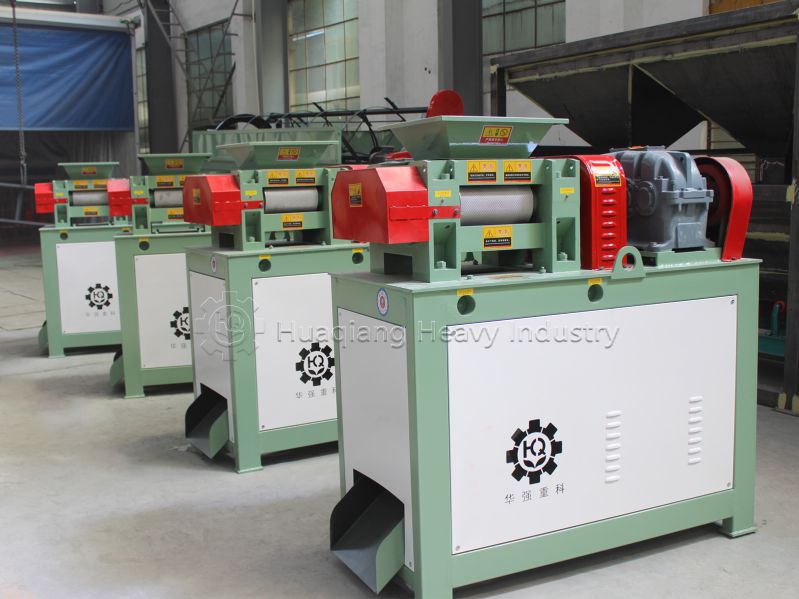
Double roller press granulators enhance the adaptability of organic fertilizer production lines

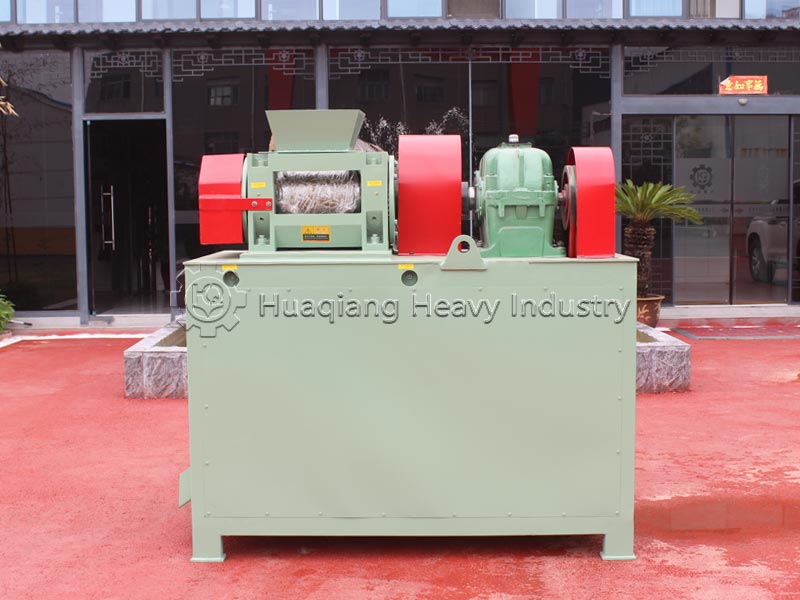
In the trend of upgrading organic fertilizer production lines towards “high efficiency, flexibility, and ecology,” double roller press granulators, with their unique physical shaping logic, have become a “core node” in the production line, adaptable to diverse raw materials.

The core of an organic fertilizer production line is the transformation of organic waste into standardized fertilizer, and the granulation process is crucial in determining the fertilizer’s form and usability. Double roller press granulators precisely address this need, using only the high pressure generated by two relatively rotating rollers to extrude loose organic powder into granules. This dry material forming process is perfectly suited for organic raw materials such as straw and livestock manure, which have low moisture content and insufficient viscosity after fermentation.

In the entire organic fertilizer production line, the double roller press granulator plays a “flexible connecting” role. It can handle organic substrates of different textures after previous crushing. Whether it’s fermented straw with high coarse fiber content or fine livestock manure powder, it can achieve efficient granulation through pressure shaping. Meanwhile, its simple structure allows for easy integration with subsequent stages of the production line, such as screening, cooling, and packaging, without the need for complex process adjustments, significantly shortening the production cycle.

The double roller press granulator gives organic fertilizer production lines a greater ecological advantage: the absence of chemical additives ensures the purity of the organic fertilizer, dry material forming reduces energy consumption and pollution, and the formed granules have moderate hardness, facilitating storage and transportation while allowing for the slow release of nutrients after application. This dual advantage of “adaptability + ecological benefits” allows organic fertilizer production lines to better handle diverse organic waste.

Bio-organic fertilizer production line: Enabling agricultural waste to “Flow” through an ecological closed loop

In the development of green agriculture, the bio-organic fertilizer production line is not merely a “fertilizer-making device,” but a crucial link connecting “agricultural waste – organic nutrients – healthy soil.”

The first step of the production line is the “inclusive” treatment of raw materials. Whether it’s livestock manure, crop straw after harvesting, or mushroom residue from edible fungi cultivation, these wastes, varying greatly in form and moisture content, can all be accepted by the production line. This adaptability to “diverse wastes” is key to the production line’s solution to agricultural environmental protection issues.

The fermentation stage is the “core hub” of the bio-organic fertilizer production line. Unlike traditional composting that relies on “weather conditions,” the production line precisely regulates the fermentation environment through temperature and oxygen supply systems. The entire process avoids odor pollution from waste fermentation and allows the materials to continuously decompose at a high temperature of 55-65℃, thoroughly killing insect eggs and pathogens.

In the finished product processing stage, the production line demonstrates even greater “flexibility and adaptability.” Depending on planting needs, it can process the decomposed material into powder or granules. Simultaneously, the production line controls the moisture content of the finished product through drying and cooling processes, ensuring that the organic fertilizer does not clump during storage and transportation, and that nutrients are not lost.

Today, the value of the bio-organic fertilizer production line has long surpassed the act of “fertilizer production” itself. It transforms agricultural waste from an “environmental burden” into “soil nutrients,” truly completing an ecological closed loop of “resource-production-reuse.”

NPK fertilizer production line: Targeting precise nutrients from diverse materials

NPK fertilizers can be formulated with nitrogen, phosphorus, and potassium nutrients according to crop needs, becoming “customized” fertilization solutions for agriculture. The core capability of this NPK fertilizer production line lies in its flexible handling of diverse materials.

First and foremost is the “difference” in the form of raw materials. The nitrogen source for NPK may be granular urea or powdered ammonium chloride, the phosphorus source is often lumpy monoammonium phosphate, and the potassium source is mostly free-flowing potassium chloride granules. The production line must first use crushing and grinding processes to grind the lumpy phosphorus source into fine powder, and then adjust the different forms of nitrogen and potassium raw materials into a homogeneous intermediate to avoid “particle clumping and powder settling” during subsequent mixing, ensuring that each nutrient is evenly distributed.

Secondly, there are the “special” physical and chemical properties of the materials. Some nitrogen sources tend to clump after absorbing moisture; for example, urea will harden into lumps when damp. Phosphorus sources have lower corrosivity, while potassium sources need to be protected from high temperatures to prevent nutrient loss. This requires the NPK fertilizer production line to “prescribe the right medicine for the right disease” during processing.

Finally, there is the “flexibility” of the material ratio. Different crops require different NPK ratios; for example, rice needs high nitrogen and low potassium, while fruits and vegetables need high potassium and low phosphorus. The production line needs to use a precise metering system to adjust the input of each raw material according to the formula at any time during material processing. In short, the NPK fertilizer production line“Strength” lies in the meticulous handling of diverse materials.

Why do horizontal crushers require special adaptations for bio-fertilizer production?

The core difference between bio-fertilizer production and conventional organic fertilizer and compound fertilizer production lies in the need to preserve the activity of the inoculant. Furthermore, the raw materials often consist of specialized materials such as fungus residue, traditional Chinese medicine residue, and fermented straw. This places special demands on grinding equipment: low temperature, pollution prevention, and precise particle size. Through targeted modifications, horizontal crushers have become the ideal choice for bio-fertilizer production.

1.Low-temperature crushing preserves inoculant activity

The functional bacteria in bio-fertilizer (such as Bacillus subtilis and phosphate-solubilizing bacteria) are not tolerant to high temperatures. Excessive frictional heat (above 45℃) generated during the grinding process can inactivate the bacteria. High-quality horizontal crushers optimize the impeller speed (to avoid excessive friction) and some are equipped with a “water-cooling jacket” to circulate cold water to remove heat from the chamber walls, maximizing inoculant activity.

2.Anti-residue design prevents cross-contamination

Bio-fertilizer production often requires switching between different inoculant formulations. If residual material from previous batches remains in the equipment, bacterial strains can mix. The horizontal crusher’s “fully open cleaning structure” solves this problem. The grinding chamber door can be fully opened, and the smooth, corner-free interior allows for quick cleaning without disassembling core components, reducing the risk of cross-contamination.

3.Precise Particle Size for Microbial Agent Mixing

Bio-fertilizer production requires uniform particle size (typically 1-3mm) after grinding. Uneven particle size results in incomplete mixing of the microbial agent and raw material, impacting fertilizer efficiency. The horizontal crusher can precisely control particle size deviation within ±0.5mm, providing a high-quality raw material foundation for subsequent microbial agent inoculation and mixing.

Chain crushers: Why have they become the “main force” in organic fertilizer raw material crushing?

In the fertilizer production process, raw material crushing is a critical step in determining the quality of the final product. This is especially true for organic fertilizer production, which often processes a variety of materials such as straw, cake meal, and fermented livestock and poultry manure. Chain crushers, due to their unique advantages, have become a common equipment in the industry.

Unlike traditional crushing equipment, the core working component of a chain crusher is a high-strength chain. When the equipment is started, the motor drives the drum to rotate at high speed, and the chain on the drum moves in a circular motion. The impact and shear forces generated by the high-speed chain tear and crush the fertilizer raw materials entering the crushing chamber.

For high-fiber materials such as straw, the chain can penetrate deep into the fibers and sever the structure. For hard materials such as cake meal, the impact force of the chain effectively breaks up clumps, avoiding the problem of material jamming that traditional equipment often encounters.

More importantly, chain crusher can adapt to the diverse raw material characteristics of the fertilizer industry. Whether it is wet materials with a moisture content of 15%-25% or dry block raw materials, stable crushing can be achieved, and the particle size of the crushed materials is uniform, without the need for secondary screening, and can directly meet the requirements of subsequent granulation and mixing processes, greatly improving the production efficiency of organic fertilizers.

Large wheel compost turning machines empower efficient operation of organic fertilizer production equipment

In the ecological chain of organic fertilizer production equipment, large wheel compost turning machines, with their core advantages of “wide coverage and deep turning,” have become the “efficiency leader” in the fermentation process.

The design of large wheel compost turning machines is tailored to the needs of large-scale production. Its core large disc is equipped with multiple sets of high-strength turning teeth. During operation, the disc rotates at a uniform speed, penetrating deep into the thick pile of organic materials, turning and breaking up mixed raw materials such as straw and livestock manure from the bottom up. This turning method not only covers a wide area, processing large areas of the pile at once, but also allows the material to fully contact with air, providing sufficient oxygen for microbial composting and reducing the odor and harmful substances produced by anaerobic fermentation at the source.

As a crucial link in organic fertilizer production equipment, it precisely controls the quality of composting. Organic material composting requires a stable high-temperature environment. Through regular turning, the large wheel compost turning machine can dissipate excess heat from the center of the pile and allow material from low-temperature areas to enter high-temperature areas, ensuring consistent composting progress throughout the entire pile.

In the entire organic fertilizer production process, the large wheel compost turning machine plays a crucial role: it receives the results of the previous raw material mixing process and efficiently decomposes the material to produce a loose, nutrient-uniform substrate, reducing obstacles for subsequent crushing and granulation processes.

From the harmless treatment of organic waste to the large-scale production of high-quality organic fertilizer, the large wheel compost turning machine makes the operation of organic fertilizer production equipment more efficient and stable.

Large Wheel compost turner revolutionizes organic waste treatment technology

Globally, organic waste management is becoming a critical challenge for environmental sustainability. The large wheel compost turning machine rotary tossing technology, with its efficient design, offers an innovative solution for large-scale composting. This equipment uses high-speed rotating discs equipped with rakes or blades to scatter materials through centrifugal force, integrating tossing and crushing into one process, significantly improving handling efficiency.

A standout feature is the large-span design, with a tossing width of 15 to 30 meters, capable of covering fermentation tanks that are 8-15 meters wide. This design is particularly suitable for large farms or commercial fertilizer plants, with an impressive processing capacity—single units can handle up to 500-2000 tons per day, with a tossing depth of 1.5-3 meters and a composting height exceeding 2 meters. The mobile structure, equipped with tracks or tires, allows the equipment to move longitudinally along the fermentation tank, ensuring comprehensive coverage.

In terms of working principle, the disc rotates at 200-400 RPM, lifting materials from the bottom to the surface while breaking up large clumps, promoting oxygen penetration. This mechanical aeration system ensures sufficient oxygen supply for fermentation microbes. Combined with the high stacking height, which results in a small heat dissipation surface per unit volume, it enables rapid temperature rise, slow heat loss, and high fermentation temperatures, optimizing the decomposition of organic matter.

Automation is another major advantage. The equipment supports manual control, remote control, central remote control, and mobile client control, allowing one-click startup and intelligent operation with minimal human intervention. In energy consumption, it uses an efficient transmission mechanism that reduces energy use compared to traditional equipment, aligning with global energy-saving trends. The motor power is reasonably configured, with a main motor of 37-55kW and shift motors of 2.2×2kW and 3.0×2kW, ensuring stable performance.

large wheel compost turning machine rotary tossing technology is widely applied in the aerobic fermentation of livestock manure, municipal sludge, kitchen waste, and biogas residue, serving farms, sludge treatment centers, biogas projects, and organic fertilizer plants. It not only enhances waste processing efficiency but also promotes resource recycling, contributing to global environmental governance. As technology continues to improve, this equipment will play an increasingly vital role in sustainable agriculture and waste management.

In conclusion, the large wheel compost turning machine rotary tossing technology represents a significant advancement in organic fertilizer fermentation process, offering superior performance compared to traditional equipment like the large wheel compost turner or chain compost turner. This innovative compost fertilizer machine serves as a cornerstone in comprehensive organic fertilizer production line systems, seamlessly integrating with downstream processing equipment including various types of fertilizer granulator machines.

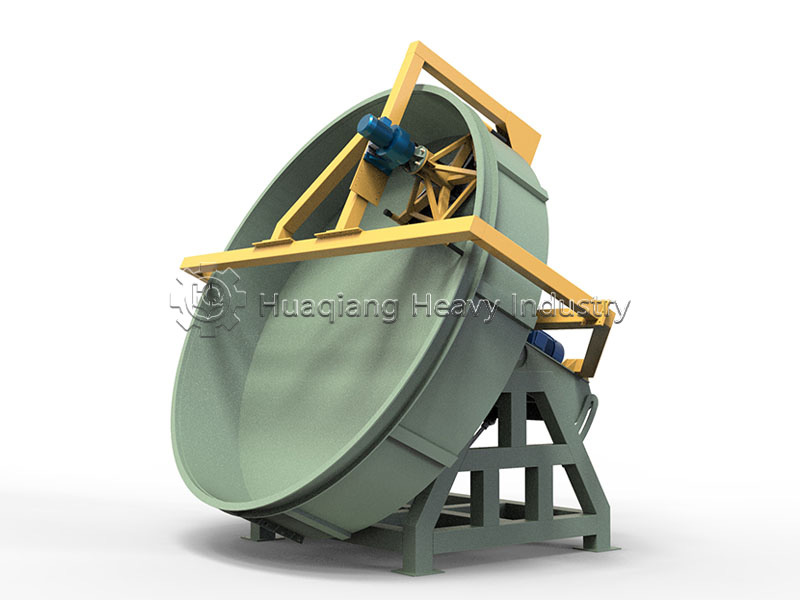
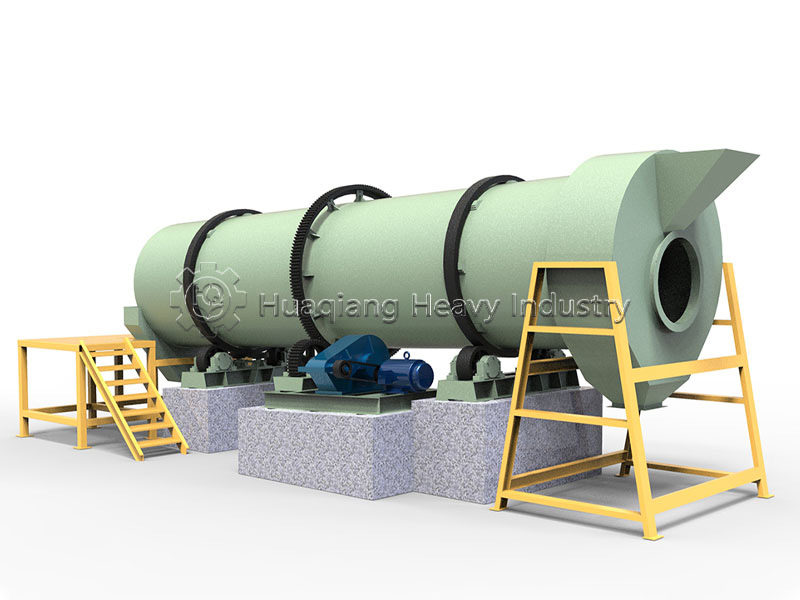
The optimized fermentation composting technology for organic fertilizer ensures efficient decomposition that perfectly feeds into subsequent disc granulation production line or drum granulation processes. When combined with other equipments required for biofertilizer production, it creates complete solutions for both bio organic fertilizer production line and conventional npk fertilizer production line operations. This integrated approach demonstrates how modern fertilizer production machine technologies work in harmony to transform organic waste into valuable resources, establishing a new benchmark for sustainable agriculture and circular economy practices worldwide.

Trough Compost Turning Machine: How to Speed Up Composting?

In the wave of organic waste resource utilization, the trough type compost turner acts like a master fermentation expert, transforming organic materials such as livestock manure and crop straw into high-quality organic fertilizer through precise mechanical design and intelligent control systems. This equipment not only accelerates the natural fermentation process but also makes waste treatment efficient and environmentally friendly.

Precision Structure: Perfect Coordination of Five Systems

Intelligent Travel System

Composed of precision transmission systems including motors, reducers, and travel wheels, ensuring smooth equipment movement within fermentation tanks. The intelligent control system precisely controls travel speed for uniform turning operations.

Efficient Turning Mechanism

Utilizing specially designed blades or spiral blades that penetrate deep into materials for thorough turning. Unique blade angles and arrangements ensure complete material mixing and even oxygen distribution.

Precise Lifting Device

Hydraulic or mechanical lifting systems intelligently adjust turning height according to material depth, ensuring optimal turning depth with each operation and improving fermentation efficiency.

Smart Oxygen Supply System

Equipped with efficient fans and pipeline networks, providing continuous and stable oxygen supply to fermentation tanks. Smart sensors monitor oxygen concentration in real-time, automatically adjusting oxygen supply.

Wide Applications: Environmental Solution Across Multiple Fields

Organic Fertilizer Production

Transforms livestock manure and agricultural waste into high-quality organic fertilizer, achieving resource recycling

Bioenergy

Processes organic waste like kitchen waste to produce biomass energy raw materials

Environmental Treatment

Handles municipal sludge and industrial organic waste, reducing environmental pollution

Agricultural Recycling

Promotes agricultural waste resource utilization, driving sustainable agricultural development

Particularly noteworthy is the PLC intelligent control system of the trough turner, which monitors key parameters such as temperature, humidity, and oxygen concentration during the fermentation process in real-time. When abnormalities are detected, the system automatically adjusts turning frequency and oxygen supply to ensure the fermentation process remains in optimal condition. This intelligent management approach ensures more stable and reliable organic fertilizer quality.

Process Advantages: Redefining Fermentation Efficiency

Compared to traditional composting methods, the trough turner reduces the fermentation cycle from several months to 15-20 days, improving efficiency by over 50%. Its enclosed fermentation tank design effectively controls odor diffusion and reduces environmental pollution. Meanwhile, automated operation significantly reduces labor costs, making organic fertilizer production more economically viable. The safety protection system, including limit switches and emergency stop buttons, ensures equipment operational safety.

The trough compost turning machine represents a pinnacle achievement in sustainable technology, serving as the cornerstone equipment in the organic fertilizer production line. This sophisticated fertilizer production machine excels in optimizing the organic fertilizer fermentation process through its precision travel system and intelligent oxygen control mechanisms. As a vital component among equipments required for biofertilizer production, it efficiently transforms organic waste into valuable resources, driving circular economy development while supporting greener agricultural practices.

During the crucial organic fertilizer fermentation phase, the trough-type turning machine demonstrates exceptional performance by maintaining optimal temperature and aeration conditions. This compost fertilizer machine continuously mixes and aerates organic materials, significantly accelerating decomposition while eliminating pathogens. The machine’s robust design and efficient turning mechanism ensure consistent quality throughout the bio organic fertilizer production line, making it indispensable for modern organic waste management and resource utilization.

Integrated within comprehensive organic fertilizer production systems, these advanced turning machines provide fundamental technical support for sustainable agriculture. Their operational excellence not only enhances the efficiency of bio organic fertilizer production but also promotes environmental protection by converting waste into nutrient-rich fertilizers. As global focus on sustainability intensifies, these machines continue to push the boundaries of organic fertilizer fermentation technology, enabling more efficient and eco-friendly production methodologies across the agricultural sector.

Windrow compost turning machines empower bio-organic fertilizer equipment

In the entire process system of bio-organic fertilizer equipment, the windrow compost turner is the “core engine” of the fermentation stage. With its unique operational advantages, it solves the efficiency and quality challenges of organic material composting.

As a key component of bio-organic fertilizer equipment, the windrow compost turner precisely controls the core conditions for composting. Organic material composting requires maintaining a high temperature of 55-65℃. Through regular turning, the windrow compost turner can dissipate excess heat from the center of the pile, protecting the activity of beneficial microorganisms, and also rapidly raise the temperature of low-temperature materials, ensuring uniform composting progress throughout the pile.

In the closed-loop process of bio-organic fertilizer equipment, the windrow compost turner plays a crucial role. It inherits the results of the previous raw material mixing process, transforming loose materials into a uniformly composted, high-quality substrate. This reduces obstacles for subsequent crushing and granulation equipment, preventing equipment blockages or fertilizer quality defects caused by uncomposted materials. Its highly efficient decomposition capabilities enable the large-scale production of bio-organic fertilizer equipment, facilitating the mass implementation of organic waste resource utilization.

The windrow compost turning machine, with its flexible and efficient decomposition capabilities, has become an indispensable core component of bio-organic fertilizer equipment. It makes the ecological transformation of organic waste more controllable and efficient, providing robust equipment support for green agriculture development and promoting the implementation of the circular agriculture concept.

Fertilizer mixer machines lay a solid foundation for bio-organic fertilizer equipment

In the entire operation of bio-organic fertilizer equipment, the fertilizer mixer machine, seemingly a “basic link,” is actually a “hidden hero” that determines the final fertilizer effect and production efficiency.

The core objective of bio-organic fertilizer equipment is to transform organic waste such as straw and livestock manure into ecological fertilizer rich in beneficial bacteria through harmless treatment. The uniformity of raw material mixing directly affects the fermentation effect and nutrient balance. The fertilizer mixer machine perfectly addresses this key requirement: through the rotational action of its multi-dimensional mixing structure, it breaks down the physical differences between raw materials, achieving uniformity in carbon-nitrogen ratio, humidity, and microbial distribution across the entire process.

The mechanical mixing of the fertilizer mixer machine ensures that every component of the raw material is fully in contact. This not only provides a “homogeneous substrate” for the fermentation stage of the bio-organic fertilizer equipment but also allows microbial agents to adhere evenly to the organic materials, significantly improving microbial activity and composting efficiency, and shortening the fermentation cycle.

As the “quality gatekeeper” in bio-organic fertilizer equipment, the fertilizer mixer machine ensures the nutrient balance and fermentation quality of ecological fertilizer through precise mixing, making every step of the transformation of organic waste into high-quality fertilizer more controllable and efficient, and providing solid support for the large-scale development of green agriculture.

Back To Top