With the acceleration of green transformation and large-scale cultivation in agriculture, NPK fertilizers, which provide a balanced supply of the three core nutrients—nitrogen, phosphorus, and potassium—have become a key support for ensuring high crop yields and improving soil quality. The accompanying NPK fertilizer production lines, with their strong adaptability and outstanding efficiency, have become increasingly popular in the agricultural materials production sector, becoming an important engine for the high-quality development of the fertilizer industry. Behind their popularity lies a combination of technological upgrades, market demand, and policy guidance.
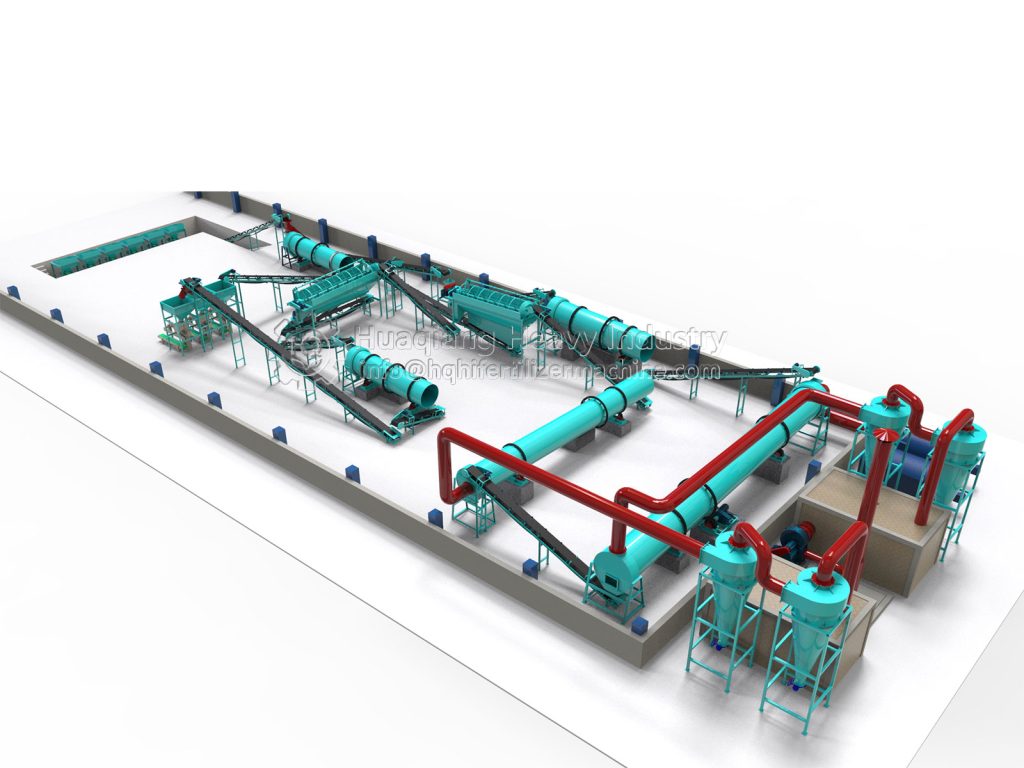
Meeting the evolving needs of agriculture and precisely adapting to diverse planting scenarios is the core prerequisite for the popularity of these production lines. Agriculture has shifted from “extensive fertilization” to “precision fertilization,” and different crops and soils have significantly different requirements for nitrogen, phosphorus, and potassium ratios. NPK fertilizer production lines can flexibly adjust formulas to achieve large-scale production of various specifications, such as 15-15-15 balanced type and 20-10-15 rice-specific type. This meets the stable yield needs of field crops and also adapts to the high-end nutrient requirements of cash crops such as fruits, vegetables, and tea. Compared with traditional single-nutrient fertilizer mixing, it significantly improves fertilizer utilization efficiency, helping farmers reduce costs and increase efficiency. Field trial data shows that the yield increase rate from using customized NPK compound fertilizers can reach 9.8% compared to conventional fertilization, and nitrogen utilization efficiency is significantly improved.
Technological iteration and upgrades enhance production efficiency and product quality, solidifying market competitiveness. Currently, mainstream processes such as slurry method, melting method, and high-tower granulation are continuously optimized, and production lines have achieved intelligent and green transformation. High-tower granulation production lines, due to the absence of a drying process, have outstanding energy efficiency advantages. The products produced have uniform particles, strong compressive strength, and are not prone to caking during storage and transportation; the intelligent proportioning system can adjust process parameters in real time, reducing raw material loss and improving production efficiency. At the same time, the integration of functional technologies such as slow-release and water-soluble fertilizers allows the production lines to produce high-end products that meet the needs of green agriculture, further broadening application scenarios.
Policy guidance and industry consolidation inject strong momentum into the development of production lines. The national “dual carbon” strategy, the action plan for reducing fertilizer use and increasing efficiency, and stricter environmental regulations are forcing agricultural materials enterprises to upgrade their production equipment. The NPK fertilizer production line, equipped with supporting systems such as exhaust gas treatment and waste heat recovery, enables low-carbon and environmentally friendly production, meeting industry compliance requirements. Simultaneously, policy support such as green tax incentives and special loans reduces the cost of upgrading production lines for enterprises. Furthermore, the rising industry entry barriers and the accelerated exit of small and medium-sized enterprises, coupled with leading companies investing in intelligent NPK production lines, are driving capacity towards efficiency and sustainability, further boosting demand for production lines.
Adapting to modern agricultural development trends, the NPK fertilizer production line addresses the shortcomings of traditional fertilization methods, such as low efficiency and high pollution, while also meeting the needs of enterprises for large-scale and high-end development. In the future, with the deep integration of digital agriculture and green agriculture, NPK fertilizer production lines with advantages in precise customization, low carbon emissions, and high efficiency will continue to dominate the market, providing strong support for high-quality agricultural development.