Tag: fertilizer granules compaction

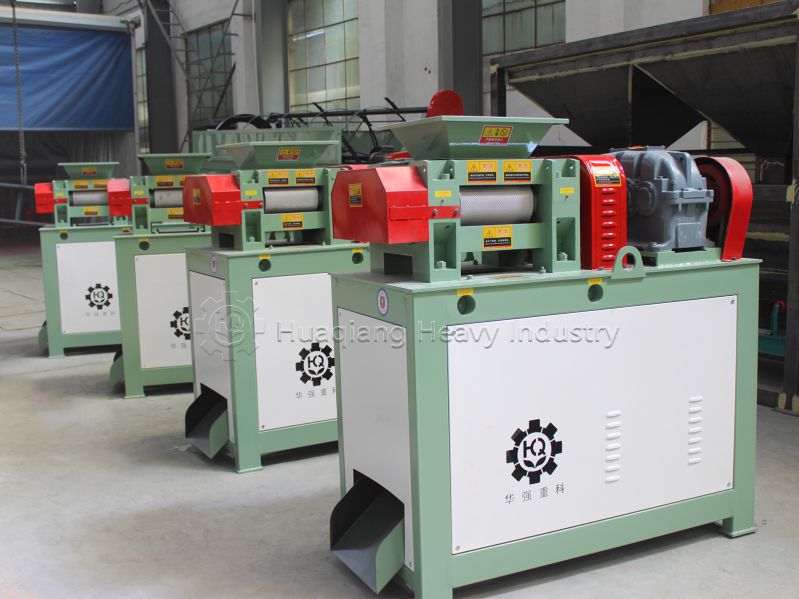
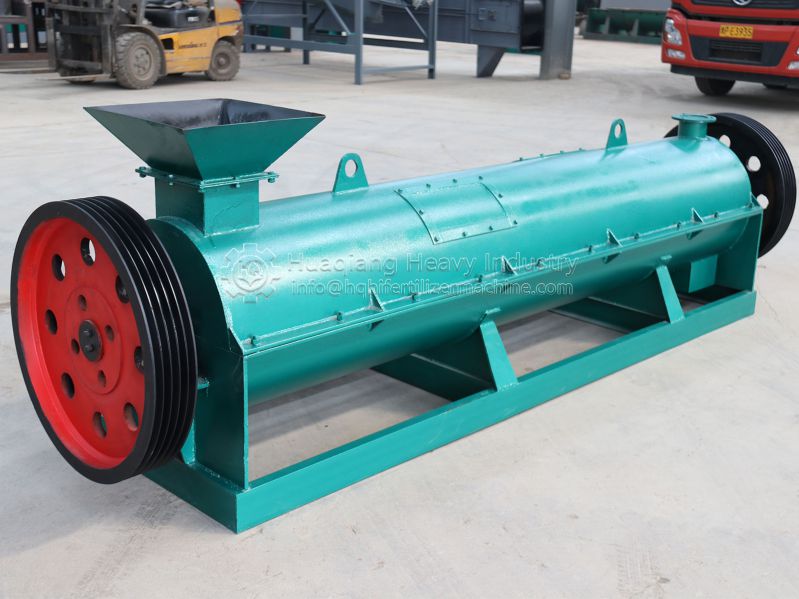
New type organic fertilizer granulator: Unlocking unique advantages of multi-dimensional upgrades

As the organic fertilizer industry transforms towards high efficiency and green practices, the new type organic fertilizer granulator has developed unique advantages over traditional equipment through technological upgrades. It addresses the pain points of traditional granulators while meeting the demands of modern production and the market.

1.Versatile Raw Material Compatibility

The granulator is compatible with not only conventional raw materials such as livestock manure and straw, but also efficiently processes high-fiber (oil palm empty fruit bunch, mushroom residue) and high-moisture (30%-40%) raw materials that are difficult to form. Optimized extrusion structure and die design prevent blockages caused by fiber entanglement and material adhesion.

2.Low Energy Consumption and Environmental Protection

The new type organic fertilizer granulator uses an energy-saving motor and optimized transmission structure, resulting in low energy consumption. Simultaneously, the fully enclosed design, coupled with a dust recovery device, keeps dust generation during the granulation process to extremely low levels, reducing the impact on the workshop environment and operators.
3.Intelligent and Precise Parameter Control

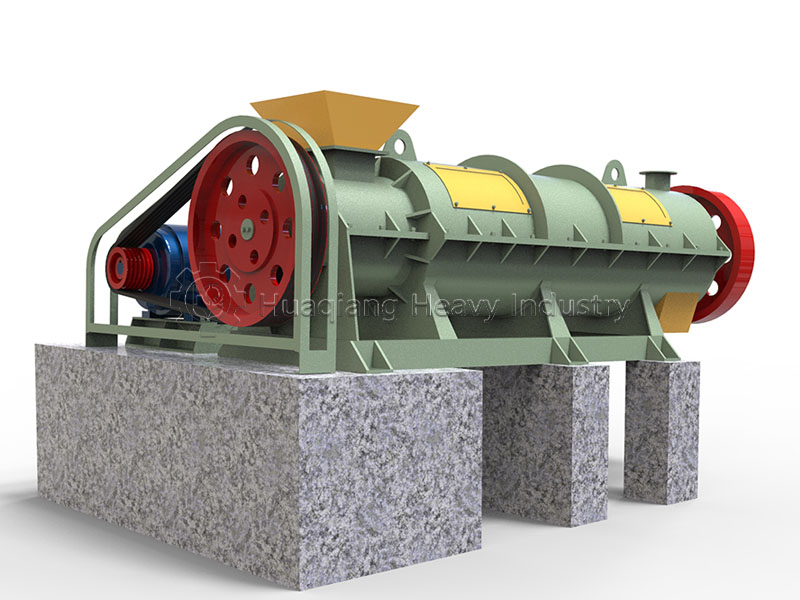
The granulator incorporates a simple intelligent control system that automatically adjusts parameters such as roller pressure and speed based on raw material characteristics (humidity, particle size, viscosity). This eliminates the need for frequent manual adjustments, ensuring stable production of uniform granules with the required hardness.

4.Improved Granule Quality and Production Efficiency

By optimizing the contact method between the rollers and the die, the new type organic fertilizer granulator increases the material forming rate, reducing raw material waste. The formed granules are not only dense and less prone to breakage, but also form a uniform porous structure, facilitating the slow release of nutrients. Simultaneously, the equipment’s anti-clogging design and easy-to-clean structure reduce downtime for maintenance.
Core features of bio-organic fertilizer equipment: Focusing on activity protection and high-efficiency adaptation

As a key carrier for ensuring product quality, bio-organic fertilizer equipment is designed and functions around the core needs of bio-organic fertilizer: “preserving activity, promoting composting, and ease of application.”

1.Strong Activity Protection Orientation

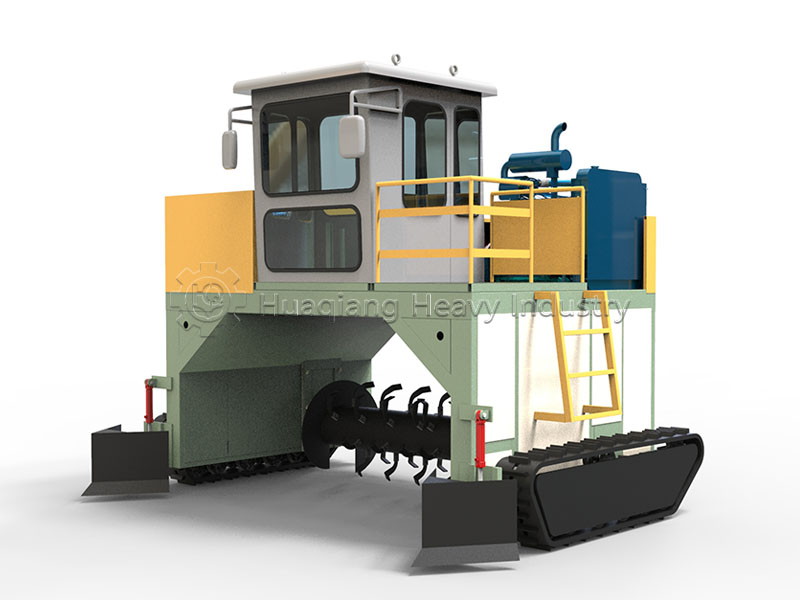
The core value of bio-organic fertilizer lies in the activity of beneficial microorganisms. The equipment avoids high-temperature damage throughout the entire process. In the fermentation stage, precise temperature control through a compost turning machine and fermentation tank satisfies both sterilization and composting requirements while preventing microbial inactivation. Granulation employs a low-temperature extrusion process, and cooling equipment quickly lowers the material to room temperature, reducing damage to the microbial community from high temperatures.

2.Controllable Composting Process

The equipment achieves precise control of fermentation conditions through mechanical design: the compost turning machine can adjust the turning frequency to ensure sufficient oxygen in the pile; the fermentation tank adopts a closed design, monitoring and adjusting temperature, humidity, and oxygen content in real time, shortening the composting cycle while ensuring uniform material composting and reducing odor emissions.

3.Wide Range of Raw Material Compatibility

The bio-organic fertilizer equipment is highly adaptable to various organic raw materials such as poultry and livestock manure, straw, mushroom residue, and distiller’s grains. The crushing equipment can adjust the particle size according to the hardness of the raw materials; the mixing equipment can evenly blend raw materials with different moisture content and specific gravity to ensure precise carbon-to-nitrogen ratio.

4.High Modularity and Flexibility

The equipment adopts a modular design, allowing for flexible combinations based on production scale. Small production lines can be equipped with simple compost turners and manual packaging equipment to reduce investment costs; large-scale production can be configured with automated fermenters and continuous granulation units to improve production efficiency.

The “Core Support” in the fermentation of oil palm empty fruit bunch organic fertilizer

Oil palm empty fruit bunch(OPEFB), rich in crude fiber and with a loose structure, are a high-quality raw material for organic fertilizer processing. However, these materials are prone to problems such as accumulation and oxygen deficiency, and uneven temperature during fermentation. The application of a compost turning machine provides crucial support for solving these problems, significantly improving the decomposition efficiency and quality of the oil palm empty fruit bunch.

In the fermentation stage of processing oil palm empty fruit bunch organic fertilizer, the crushed oil palm empty fruit bunch are first mixed with livestock and poultry manure, microbial agents, etc., in a certain proportion to form fermentation material. Because of the low density of oil palm empty fruit bunches, if left to stand for a long time after mixing, a closed space easily forms inside the material, leading to a decrease in the activity of aerobic microorganisms. This not only prolongs the decomposition period but may also produce unpleasant odors.

At this stage, the oil palm empty fruit bunch compost turning machine can periodically turn the fermentation pile, breaking up material clumps with mechanical force and introducing air into the pile to provide sufficient oxygen for microbial reproduction. Simultaneously, the turning process allows for thorough exchange of material throughout the pile, preventing localized overheating or underheating and maintaining the pile at a suitable composting temperature of 55-65℃, thus accelerating the decomposition and transformation of coarse fibers in the oil palm empty fruit bunch.

Furthermore, the compost turning machine can flexibly adjust the turning frequency according to the moisture content of the fermentation material. If the material is too moist due to the high hygroscopicity of the oil palm empty fruit bunch, increasing the number of turns can promote moisture evaporation; if the material is too dry, it can be turned simultaneously with the water replenishment process to ensure uniform moisture content.

The technical core and industry value of the bio-organic fertilizer production line

Under the trend of green agricultural development, the bio-organic fertilizer production line, with its unique technological advantages, has become a key piece of equipment driving the transformation and upgrading of the fertilizer industry.

The production line’s technical core lies in three dimensions: First, a precise batching system. Automated equipment precisely controls the ratio of raw materials and inoculants, ensuring stable microbial activity and balanced nutrient distribution. Second, intelligent fermentation control. Sensors monitor the compost temperature, humidity, and oxygen content in real time, automatically adjusting the turning frequency and ventilation rate of the compost turning machine to shorten the fermentation cycle and improve compost maturity. Third, low-temperature post-processing technology utilizes a 60-80°C drying process to prevent high temperatures from damaging microbial activity and organic matter structure, thereby maximizing the nutrient value of the fertilizer.

From an industry perspective, the bio-organic fertilizer production line offers multiple benefits: For the livestock industry, it effectively disposes of waste such as livestock and poultry manure, addressing environmental concerns. For agricultural production, the bio-organic fertilizer produced improves soil compaction and fertility, reducing reliance on chemical fertilizers and promoting improved crop quality and efficiency. For the ecological environment, the fully closed-loop production process reduces pollutant emissions and promotes the recycling of agricultural waste.

Windrow compost turning machines offer a standardized, complete process for recycling chicken manure

Chicken manure, a common waste product in the livestock industry, is rich in nitrogen, phosphorus, potassium, and organic matter. However, its direct use without treatment can easily cause soil contamination and crop burn. The windrow compost turning machine uses a scientific processing process to transform chicken manure into high-quality organic fertilizer, effectively recycling pollutants.

The first step is raw material pretreatment. Fresh chicken manure has a moisture content of approximately 60%-70% and a low carbon-nitrogen ratio. Straw, sawdust, and other auxiliary materials are added proportionally to adjust the carbon-nitrogen ratio to 25-30:1, and the humidity is controlled at 55%-65% to create a suitable environment for aerobic microbial fermentation. After mixing, a loose pile is formed.

The second step is pile construction and initial fermentation. The mixed material is piled into a long, 3-5 meter wide and 1-1.5 meter high pile. The windrow compost turning machine, with its crawler tracks, can operate directly on the soft pile, avoiding sinking. After the equipment is started, the turning gears penetrate deep into the pile, thoroughly mixing the bottom and top layers. Air is introduced simultaneously, promoting the growth of aerobic microorganisms and rapidly raising the pile temperature to above 55°C.

The third step is continuous turning and temperature control. During the fermentation period, the compost turner operates at a set frequency: once daily in the early stages and every other day in the later stages. This turning process not only replenishes oxygen and removes fermentation waste gases, but also stabilizes the pile temperature at 55-65°C. This temperature effectively kills harmful substances such as E. coli and roundworm eggs in the chicken manure, while also accelerating the decomposition and conversion of organic matter.

The entire processing cycle takes approximately 25-35 days. After being processed by the windrow compost turner, the chicken manure is transformed from sticky, foul-smelling waste into a loose, odorless, and mature material. It can then be crushed and screened to produce organic fertilizer.

A brief discussion on the key role of extrusion in the organic fertilizer industry

In organic fertilizer production lines, there’s a seemingly simple yet crucial process: extrusion granulation. It transforms loose, uneven powdered organic raw materials into uniform, solid granules. This isn’t just a change in form; it’s a crucial step in improving the quality and modernizing the development of organic fertilizer.

Although rich in nutrients, unprocessed powdered organic fertilizer faces numerous challenges in practical application. First, its low density and bulk increase storage and transportation costs. Second, during application, powdered fertilizer is easily dispersed by the wind, resulting in fertilizer loss and environmental pollution. Extrusion technology specifically addresses these issues.

The extrusion process applies tremendous pressure to a fertilizer granulator, forcing the fine fertilizer powder through a specialized die, where it is squeezed into uniform, high-density, and strong granules.

The widespread adoption of extrusion granulation technology marks a significant shift in the organic fertilizer industry from extensive to refined, and from traditional to modern. This enables the standardization and commercialization of organic fertilizer products, shedding their image as “earth-based fertilizer” and making them more readily accepted and trusted by large-scale farms and specialized agricultural practitioners.

In short, these tiny fertilizer pellets embody not only rich organic matter but also the wisdom of modern processing technology. Extrusion molding, as a core component, continues to provide solid technical support for improving quality, increasing efficiency, and promoting green development in the organic fertilizer industry.

New type organic fertilizer granulator: Core equipment for efficient organic fertilizer conversion

With the development of organic agriculture, the diversification and high moisture content of organic fertilizer raw materials (such as straw, livestock and poultry manure, and mushroom residue) have driven technological upgrades in new type organic fertilizer granulators. Their optimized design, tailored to the characteristics of these raw materials, has significantly improved production efficiency and the quality of the finished product.

The new type organic fertilizer granulator features a new raw material conditioning system and an anti-sticking device. The conditioning system precisely controls the addition of steam or warm water to adjust the high-moisture organic fertilizer raw materials to a suitable moisture content for granulation (40%-50%), preventing clumping and loose granules. The anti-sticking device sprays a special wear-resistant coating on the inner wall of the granulation chamber, reducing the stickiness of the organic fertilizer raw materials and reducing cleaning frequency.

In terms of workflow, pre-treated organic fertilizer raw materials first enter the conditioning system for humidity and temperature adjustment before being transported to the granulation chamber. The spiral or extrusion mechanism within the granulation chamber mechanically compresses the raw materials into granules. The granules are then trimmed to a uniform size by a cutting device before entering a cooling system for final shaping.

The core value of the new type organic fertilizer granulator lies in its ability to efficiently process highly viscous and high-moisture organic fertilizer raw materials. The resulting granules are high in strength and water-solubility, while also reducing raw material waste. This equipment provides support for large-scale, high-quality production in the organic fertilizer industry.

Windrow compost turning machines: Breaking site constraints and adapting to flexible fermentation

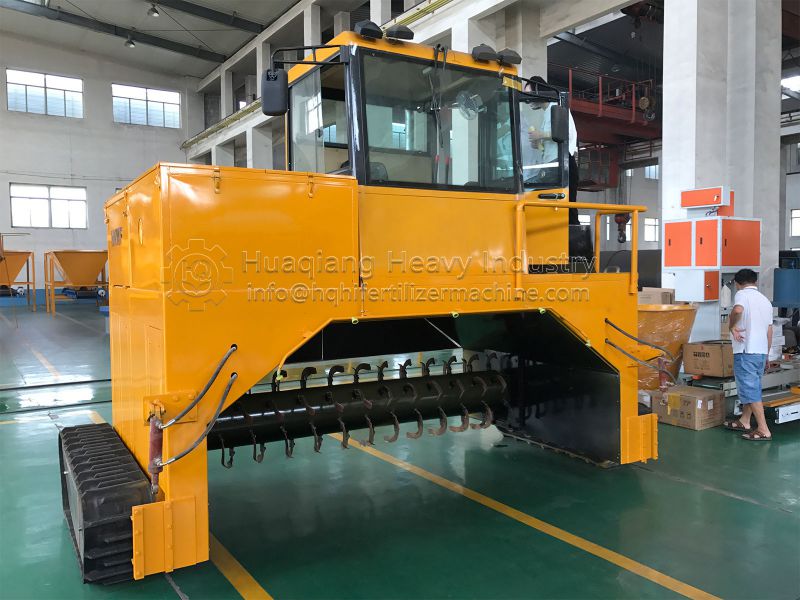
The core of aerobic fermentation of organic fertilizers lies in uniform oxygen supply and temperature-controlled composting. The site adaptability of compost turning equipment directly determines fermentation efficiency and production flexibility. Windrow compost turning machines, with their trackless mobility and all-terrain adaptability, are a perfect fit for the diverse fermentation scenarios in the fertilizer industry.

From a structural perspective, the core advantage of windrow compost turning machines lies in the synergy between their crawler chassis and flexible turning mechanism. Their wide rubber tracks provide a large contact area and low ground pressure, preventing the vehicle from getting stuck even in muddy composting areas or gravel surfaces after rain, eliminating the need for pre-leveling. The chassis’ steering system supports 360° steering, making it easy to navigate obstacles such as raw material piles and equipment around the fermentation area.

In terms of the turning mechanism, most windrow compost turning machines are equipped with double-auger or blade-type turning components, capable of turning compost up to 1.2-2 meters deep and covering compost piles up to 3-5 meters wide. During operation, the equipment slowly moves along the fermentation pile. The turning components throw the bottom material upward and disperse it to the sides, creating a “rolling up and down, mixing side to side” effect. This not only provides sufficient oxygen for aerobic bacteria but also quickly dissipates the heat generated by fermentation.

For fertilizer companies, the value of a windrow compost turning machine lies not only in its flexibility but also in its ability to accommodate multiple fermentation batches. For example, the same site can simultaneously process both a “fresh feed pile” and a “mature compost pile,” allowing the equipment to flexibly switch between different piles, resulting in fermentation efficiency improvements of over 30% compared to track-type compost turners.

New type organic fertilizer granulator: Empowering green production in the fertilizer industry

Amid the rise of ecological agriculture and the continued surge in demand for organic fertilizer, new type organic fertilizer granulators, leveraging technological innovations from traditional equipment, have become key equipment for the fertilizer industry, addressing challenges in organic fertilizer granulation and promoting green production.

The most prominent advantage of the new type organic fertilizer granulator is its adaptability to organic fertilizer raw materials. Organic fertilizer raw materials, primarily derived from livestock and poultry manure, straw, and food waste, often exhibit large moisture fluctuations, high fiber content, and prone to clumping. By optimizing the conditioning system and granulation structure, the new equipment can flexibly adjust the raw material moisture and temperature. This allows for uniform granulation even with high-moisture, high-fiber raw materials, significantly improving granulation efficiency and effectively reducing raw material waste.

The new type organic fertilizer granulator is also known for its “green and efficient” design. By upgrading its transmission system and adding a dust collection device, the new equipment achieves low energy consumption and low pollution while improving production efficiency.

Furthermore, the new type organic fertilizer granulator can help enhance the competitiveness of organic fertilizer products. The organic fertilizer particles it produces have uniform density, moderate hardness, and are not easy to break; more importantly, the low-temperature granulation process of the new equipment can maximize the retention of beneficial microorganisms and active ingredients in the organic fertilizer, ensuring a longer-lasting fertilizer effect.

Bio-organic fertilizer equipment selection and maintenance: Helping reduce costs and increase efficiency

For bio-organic fertilizer manufacturers, selecting and effectively utilizing bio-organic fertilizer equipment is crucial for achieving sustainable profitability.

When selecting equipment, consider your production capacity and the characteristics of your raw materials. If your company uses livestock manure as its primary raw material, you should prioritize equipment with strong pretreatment capabilities to avoid high moisture content that could affect fermentation. If your production capacity is under 5,000 tons/year, you can choose small or medium-sized complete sets of equipment to reduce initial investment. If your production capacity exceeds 10,000 tons, you should consider highly automated production lines to reduce labor costs.

Secondly, pay attention to the bio-organic fertilizer equipment’s durability. Equipment for core processes like fermentation and granulation should be constructed of corrosion and wear-resistant materials to withstand the corrosive nature of organic fertilizer raw materials and extend their service life.

Daily maintenance is equally crucial. After use, promptly clean any residual material from components like fermentation tanks and granulators to prevent it from clumping and becoming moldy, potentially contaminating the raw materials during the next use. Regularly check the lubrication of the equipment’s transmission components. Oil depletion can lead to increased wear and tear, increasing the likelihood of failure.

Scientific selection and operation and maintenance can not only reduce the downtime of bio-organic fertilizer equipment and ensure production continuity, but also reduce maintenance costs and improve product qualification rate.

Back To Top