Tag: fertilizer crusher

A deep dive into fertilizer crusher: Structure, Principle, and Core Advantages

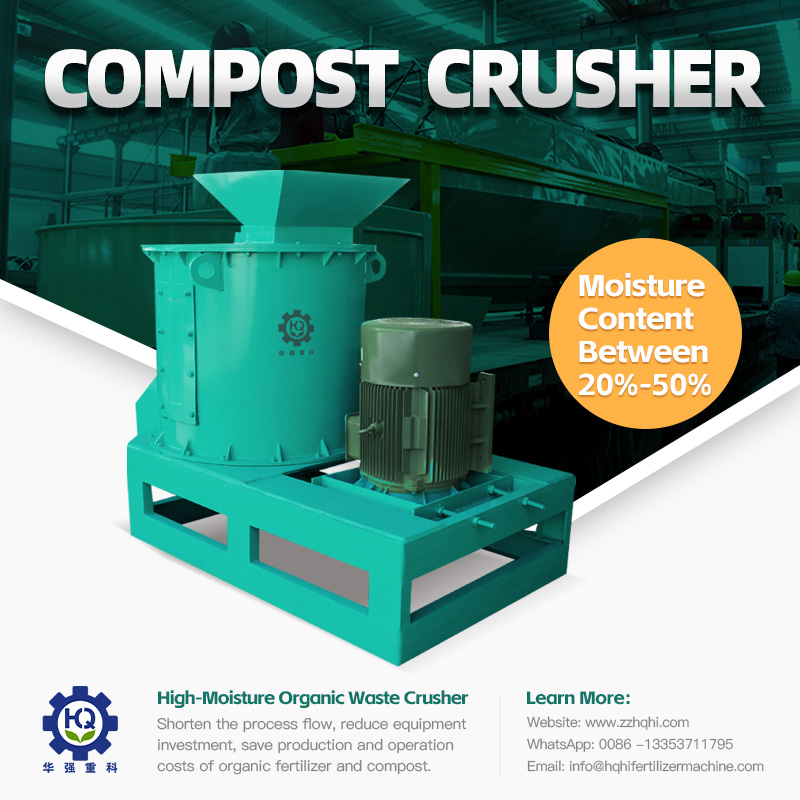
As a crucial piece of equipment in the fertilizer production process, fertilizer crushers play an indispensable role in the production of organic fertilizers, NPK fertilizers, and other fertilizers. To fully maximize their performance, a thorough understanding of their structure, operating principles, and core advantages is essential.

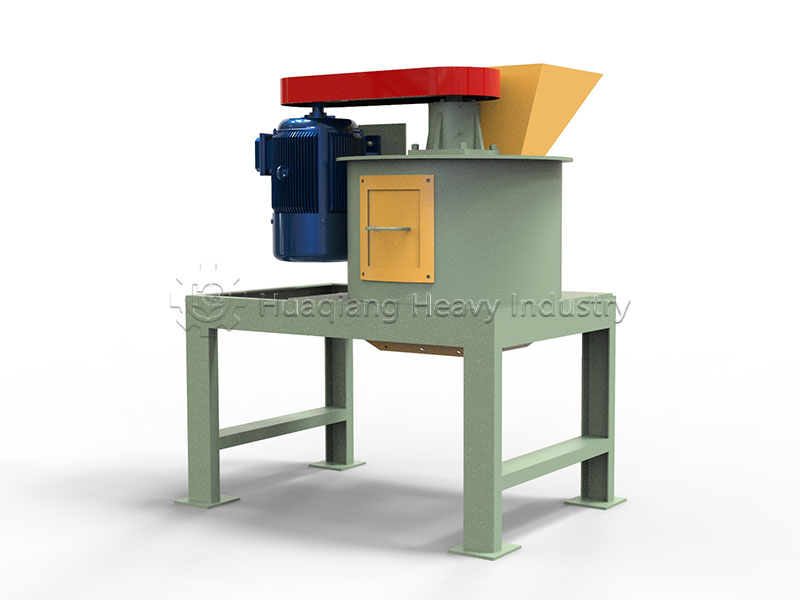
Structurally, a fertilizer crusher primarily consists of a crushing chamber, crushing components, a feed inlet, a discharge outlet, and a drive system. The crushing chamber provides space for material crushing. The crushing components within, such as the blades, hammers, and toothed plates, are the core components that directly act on the material. The drive system provides power to the crushing components, ensuring stable operation. Some fertilizer crushers are also equipped with a screening system to select the particle size of the crushed material to meet different production requirements.

The operating principle is based on a combination of impact, cutting, and grinding. After material enters the crushing chamber through the feed inlet, the high-speed rotating crushing components cut and grind the material. This, combined with intense collision and friction between the material and the crushing components, ultimately breaks the material into particles of the desired quality before discharging through the discharge outlet.

The core advantages of a fertilizer crusher lie in its high processing efficiency, adaptability, and ease of maintenance. It can quickly crush a variety of fertilizer raw materials, and its structural design facilitates routine maintenance and cleaning, significantly reducing production downtime and providing strong support for fertilizer manufacturers to increase production capacity.

Organic fertilizer equipment fertilizer crusher: Efficient crushing process and operation guide

The fertilizer crusher is a key piece of equipment in an organic fertilizer production line. Its main job is to grind fermented organic materials (like livestock manure, crop stalks, and mushroom residue) into an even, fine powder. This ensures stability in later steps like granulation or packaging. How well it breaks down the material directly affects the quality of the final fertilizer and the production efficiency.

How It Works

1.Feeding and Initial Crushing

Material is fed into the hopper, either by conveyor belt or manually. High-speed rotating blades or hammers cut and break down large chunks into smaller pieces.

2.Fine Grinding

Inside the crushing chamber, the material gets hit repeatedly by hammers, teeth, or screens. It also gets rubbed and sheared. This breaks it down gradually into tiny particles (usually 1-5mm).

3.Screening and Discharge

Particles small enough to pass through the screen at the bottom are discharged. Material that’s still too coarse stays in the chamber for more grinding, ensuring a uniform final product size.

Operating Guidelines

1.Before Starting

Make sure the power voltage is stable and all bolts are tight. Check the crushing chamber is clear of hard objects (like stones or metal) to avoid damaging the blades.

2.During Operation

Feed evenly: Avoid overloading the machine, which can cause blockages or motor overload.

Moisture control: Keep raw material moisture content ≤30%. Wet material tends to stick to the screen.

3.Maintenance and Care

Lubricate bearings regularly.

Replace worn blades/hammers (generally check every 300 hours). Clean the screen after stopping to prevent corrosion and clogging.

In short, the fertilizer crusher is vital for improving fertilizer quality. Using it correctly extends the machine’s life and guarantees efficient grinding.

How to prevent blockages in fertilizer crushers during production?

Fertilizer crushers often get blocked when processing materials like organic or compound fertilizer. This usually happens because the material is too wet, has high fiber content, or is fed unevenly. Blockages slow down production and can even damage the machine.

1.Control Material Moisture

Wet fertilizer sticks to the crushing chamber and causes blockages. Keep moisture below 30%. If needed, dry the material in the sun or with a machine first.

2.Feed Material Steadily

Dumping too much in at once overloads the machine. Feed material evenly to avoid sudden piles. This helps the fertilizer crusher run smoothly.

3.Use the Right Screen Size

Screens with holes that are too small make it harder for material to pass through. Choose a screen size that matches your fertilizer particle size. Clean it regularly to prevent clogging.

4.Clean and Maintain Regularly

Clean out leftover material after use. Check the blades for wear. Keeping the machine in good shape lowers the chance of blockages.

5.Choose the Right Machine Features

Pick a crusher designed to resist blockages. Look for features like automatic reverse or vibration screens – they really help reduce jams.

By operating and maintaining the fertilizer crusher properly, you can effectively avoid blockages. This boosts production and makes the machine last longer.

Back To Top