Starting a composting business requires balancing compliance, resource stability, and operational sustainability. The core is balancing environmental requirements, technological compatibility, and market demand, avoiding common pitfalls in preparation and operation; it’s not simply about equipment investment and material fermentation.
Raw materials and site are fundamental. It’s essential to secure stable sources of organic waste such as livestock manure and straw, sign long-term supply agreements, and verify the composition to avoid the introduction of toxic substances. Site selection must comply with planning regulations, be far from residential areas and water sources, and allow sufficient environmental protection distance. The site should be divided into storage, fermentation, and finished product areas, with leachate collection facilities to prevent secondary pollution.
Compliance approvals are the bottom line. Environmental registration and discharge permits must be obtained in advance, along with odor and solid waste treatment facilities to ensure emissions meet standards. If the finished product is to be sold as commercial fertilizer, a fertilizer registration certificate is required. Simultaneously, understand local resource utilization subsidies and tax policies to reduce initial investment.
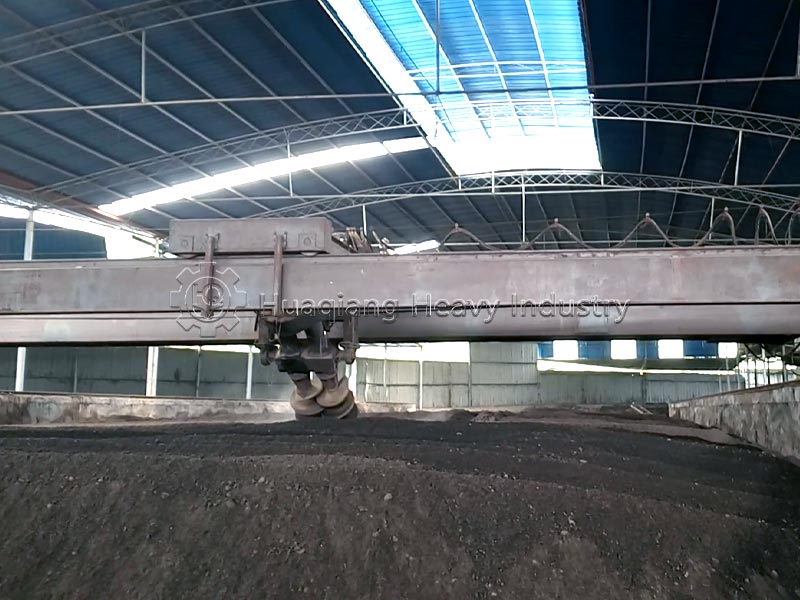
Technology and equipment must be precisely matched. Based on raw material type and processing scale, small and medium-sized enterprises can choose double screws compost turning machines, windrow compost turning machines, or horizontal fermentation tanks, while large enterprises can build complete organic fertilizer production lines. Establish a mature fermentation system, strictly control the carbon-to-nitrogen ratio, temperature, and humidity to avoid incomplete composting that could affect product competitiveness.
Market and operational planning should be done in advance. Research the needs of local growers and the agricultural input market to clarify the product’s positioning. Establish a raw material cost control and finished product quality inspection system to improve cost-effectiveness. Develop contingency plans to address risks such as raw material supply fluctuations and policy adjustments, ensuring stable operation.