Tag: chicken manure organic fertilizer machine

What are the core values of chicken manure in the fertilizer industry?

In the wave of resource utilization of agricultural waste, chicken manure is no longer a pollution hazard, but a highly valuable raw material in the fertilizer industry. Its rich nutrient reserves and suitable physical and chemical properties give it an important position in the production of high-quality organic fertilizers.

Core Value One: High-quality nutrient supply, meeting crop needs. Chicken manure is rich in core nutrients such as nitrogen, phosphorus, and potassium, and its organic matter content is as high as 25%-30%, far exceeding that of ordinary livestock and poultry manure. After scientific composting, the nutrients are more easily absorbed by crops, providing comprehensive nutrition for crop growth and supplementing soil organic matter, improving soil compaction and acidification problems.
Core Value Two: Prominent ecological value, contributing to circular agriculture. If chicken manure from large-scale farming is piled up indiscriminately, it can easily cause water and soil pollution. However, using chicken manure organic fertilizer machines to convert it into organic fertilizer can achieve a circular economy in farming, reduce the use of chemical fertilizers, and reduce agricultural non-point source pollution.

Core Value Three: Lowering production thresholds and improving economic efficiency. Chicken manure is widely available and inexpensive, which can significantly reduce the raw material costs of organic fertilizer production lines. For small and medium-sized fertilizer producers, using chicken manure as the core raw material can simplify the pre-treatment process, and high-quality organic fertilizer can be produced with conventional compost turning machines and granulators; for farmers, converting chicken manure on-site can also reduce fertilization costs and increase planting income.

The value of chicken manure in the fertilizer industry is essentially a vivid embodiment of “waste resource utilization.”
Key equipment transforms chicken manure into valuable resources, powering an efficient production line

Chicken manure, a major waste product in the poultry industry, can cause pollution if left untreated. However, by using specialized chicken manure organic fertilizer machine to build an organic fertilizer production line, it can be efficiently converted into high-quality organic fertilizer, solving environmental problems and creating agricultural value.

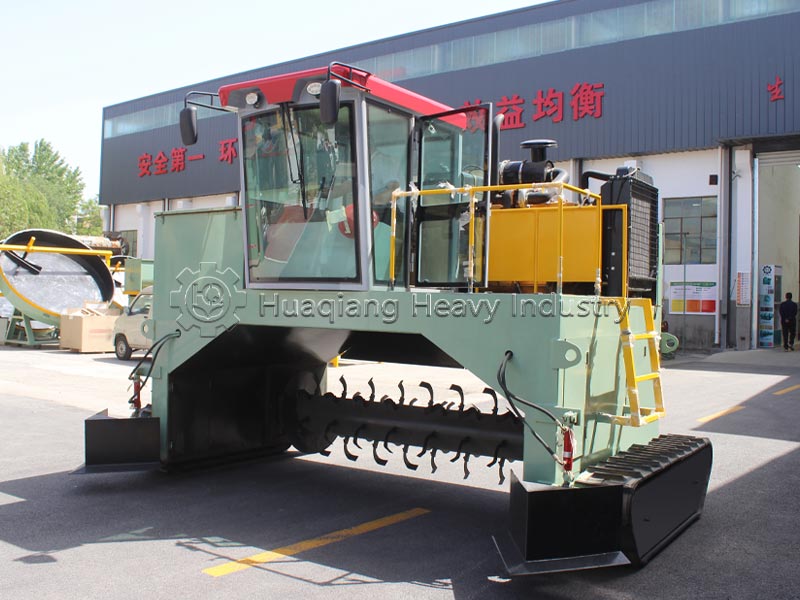
Chicken manure has a high water content and is prone to clumping, making the fermentation process the first hurdle in its resource utilization. The crawler-type compost turner, with its strong adaptability, becomes the core equipment in this process. It can operate directly in the fermentation tank, easily adapting to different sites through its crawler-type movement. It offers deep and wide turning capabilities, thoroughly mixing the chicken manure with auxiliary materials such as straw and fermentation agents, while introducing sufficient oxygen. This keeps the fermentation pile temperature stable at 55-65℃, quickly killing pathogens and insect eggs, and completing the composting process in 20-30 days, significantly improving fermentation efficiency.

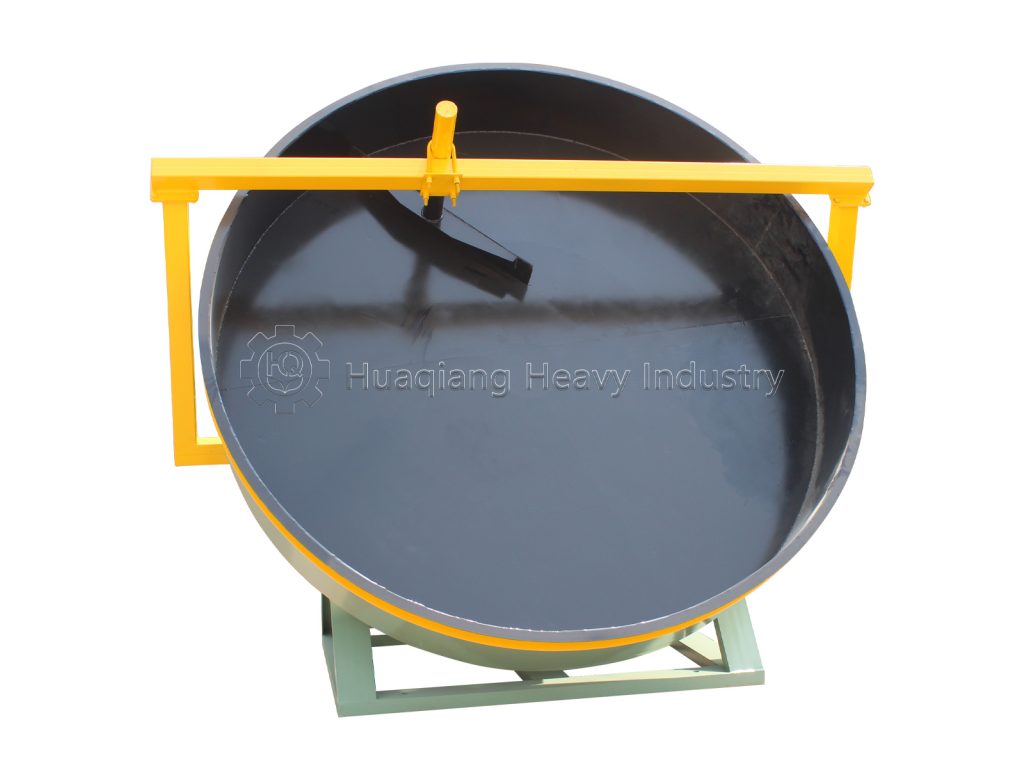
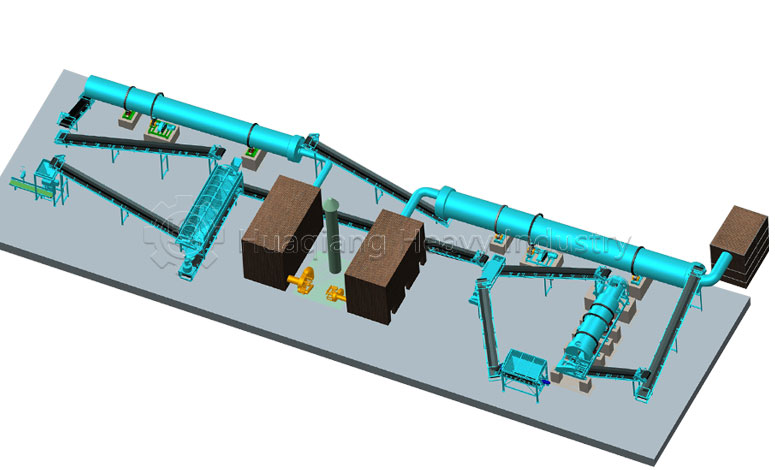
The composted chicken manure material needs to be processed into a finished product to become commercial organic fertilizer, which requires the organic fertilizer granulator. In the production line composed of chicken manure organic fertilizer machine, the treated composted material is rolled into uniform, high-strength spherical granules through the synergistic action of mechanical force and an appropriate amount of binder. After subsequent drying and cooling, qualified chicken manure organic fertilizer is obtained.

From fermentation to granulation, the organic fertilizer production line, built with the collaborative efforts of windrow compost turners, organic fertilizer granulators, and other chicken manure organic fertilizer machine, achieves full automation of the chicken manure treatment process. This not only reduces labor costs but also increases the resource utilization rate of chicken manure to over 90%. The resulting organic fertilizer is rich in nutrients such as nitrogen, phosphorus, and potassium, improving soil fertility.

From chicken coop to field: The modern processing journey of chicken manure

How are piles of damp, sticky poultry waste transformed into standardized commercial organic fertilizer on modern organic fertilizer production lines? Today, specialized chicken manure organic fertilizer machines have built a systematic path to rebirth, efficiently converting it into a valuable resource for nourishing the soil.

The journey begins with collection and pretreatment. Fresh chicken manure is transported by specialized equipment and scientifically mixed with auxiliary materials such as straw. This crucial pretreatment creates an ideal structure and carbon-to-nitrogen ratio for subsequent fermentation, from which the entire chicken manure organic fertilizer machine operates in synergy.

Harmless fermentation is the core of the transformation. In windrow fermentation fields, windrow compost turning machines play a key role. They move steadily along the pile, their wide tracks effectively overcoming the problem of soft ground, while their turning and throwing devices thoroughly break up and toss the material. With regular turning, the material comes into full contact with air, the temperature continuously rises under the action of microorganisms, and the pungent odor gradually transforms into an earthy smell, achieving the dual goals of safety and transformation.

Deep processing shapes the final form. After the composted material is crushed and screened, it enters the pelleting stage to improve its marketability. This is where the organic fertilizer granulator plays a crucial role. This transformation not only locks in nutrients and functional microorganisms but also makes it perfectly suited for mechanized application.

From the efficient fermentation of the windrow compost turning machine to the precise pelleting of the organic fertilizer granulator, modern chicken manure organic fertilizer machinery forms a complete value-added chain. This intelligent processing line not only solves environmental problems but also returns organic-rich resources to the land in a standardized manner.

Extending equipment life: Key points for regular maintenance of disc granulators

To maintain efficient and stable operation of disc granulators and extend their service life, scientific and rational regular maintenance is essential.

Before starting the equipment daily, carefully check that all component connections are secure and free of looseness. Also, check that the transmission is operating normally and for any unusual noises. Also, check the wear of the discs. Any abnormalities should be addressed promptly to prevent minor problems from leading to major failures. A comprehensive inspection should be conducted weekly, focusing on bearing temperature, lubrication conditions, and seal integrity to ensure that key components are in good condition.

Lubrication and maintenance are crucial components of maintenance. Regularly add appropriate lubricant or grease to bearings, gears, and other components of the transmission according to equipment requirements, ensuring that the amount used is controlled to avoid adverse effects on equipment operation. After each production run, promptly clean any remaining material from the discs to prevent it from clumping and hardening, which could affect the next run. Also, clean the disc granulator surface of any dust and debris to keep it clean. Liners, nozzles, bearings and other wearing parts need to be checked regularly. If they are severely worn or damaged, they should be replaced in time to ensure the normal operation of the disc granulator and the quality of granulation.

Back To Top