Category: organic fertilizer equipment

Efficient and Eco-Friendly Roller Press Granulator Production Line

In modern agricultural production, the quality and efficiency of fertilizers are crucial for crop yields. The roller press granulator production line, as an advanced fertilizer manufacturing solution, has gained widespread recognition in the global agricultural sector due to its efficiency, environmental friendliness, and flexibility. This production line is not only suitable for various raw materials but also allows the addition of trace elements such as boron, iron, copper, zinc, and manganese, meeting the nutritional needs of different crops.

Advantages of Roller Press Granulation

Roller press granulation represents a significant advancement in the NPK manufacturing process, offering substantial advantages over traditional methods like rotary granulator and drum granulator systems. This innovative approach to fertilizer granules compaction requires no drying process, enabling granulation at room temperature with one-time forming through specialized fertilizer compaction machine technology.

The roller press granulation method significantly reduces energy consumption and investment costs while improving economic benefits throughout the entire NPK fertilizer production line. Unlike conventional systems, this technology has no special requirements for raw material particle size; both 1-4mm granular materials and fine powder materials can be effectively processed, making it particularly suitable for utilizing unqualified powder materials and by-products.

This versatility in the NPK manufacturing process minimizes waste and substantially lowers production costs. The compact nature of fertilizer granules compaction ensures uniform nutrient distribution and improved physical properties in the final product. Additionally, the complete NPK fertilizer production line incorporating roller press granulation produces no wastewater or exhaust emissions, complying with global environmental standards and contributing to sustainable agricultural development. The efficiency of modern fertilizer compaction machine equipment far surpasses that of traditional rotary granulator and drum granulator systems, particularly in terms of energy conservation and operational flexibility.

The integration of roller press granulation technology represents a paradigm shift in fertilizer production, offering an environmentally responsible solution that maintains high productivity while reducing the ecological footprint of the NPK manufacturing process.

Key Equipment Components

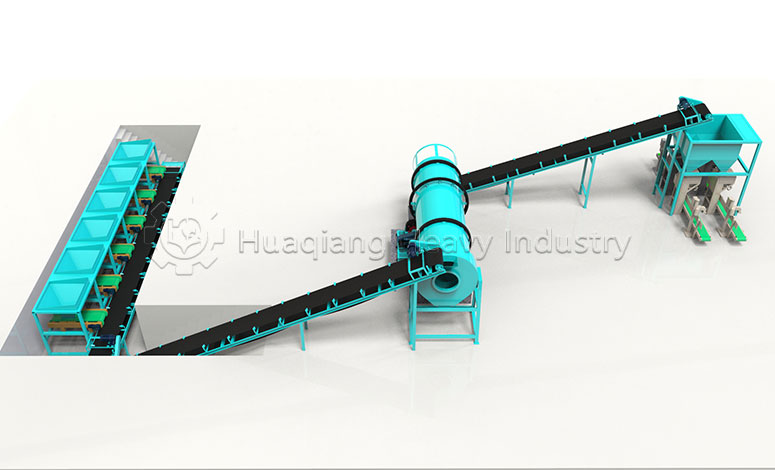
The roller press granulator production line consists of several key pieces of equipment to ensure efficient and continuous operation:

· Automatic Batching System: Composed of feeding systems, weighing devices, silos, and conveyor belts, it combines the speed of dynamic batching with the accuracy of static batching (error rate of only 0.2%) for precise ingredient proportioning.

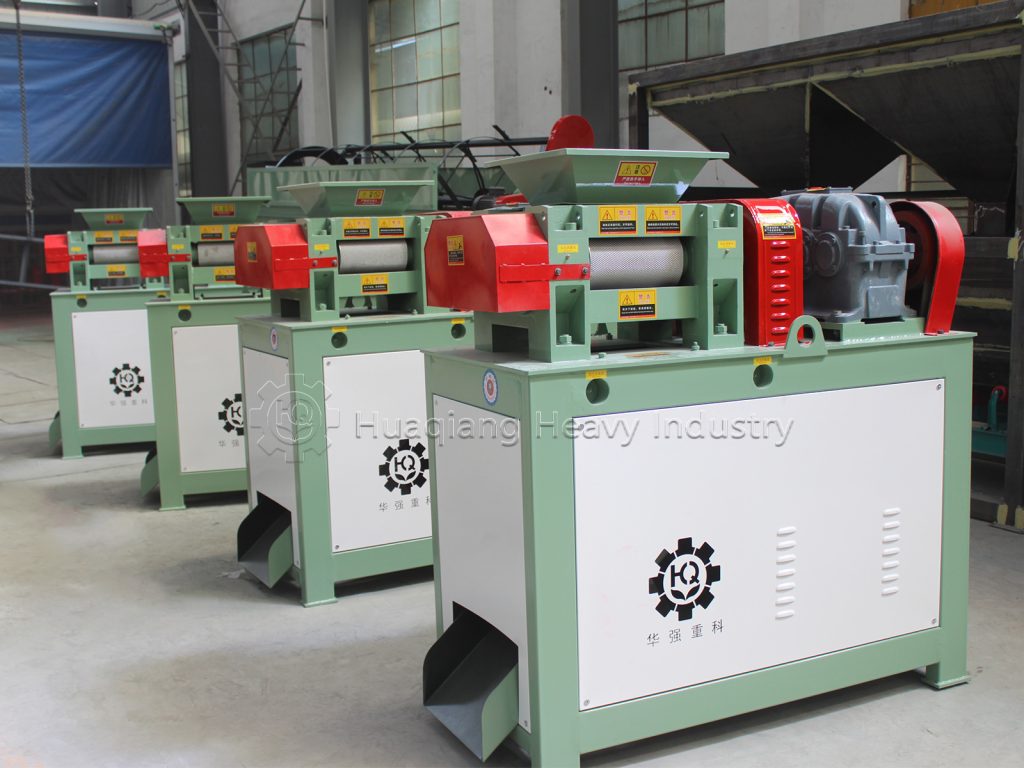
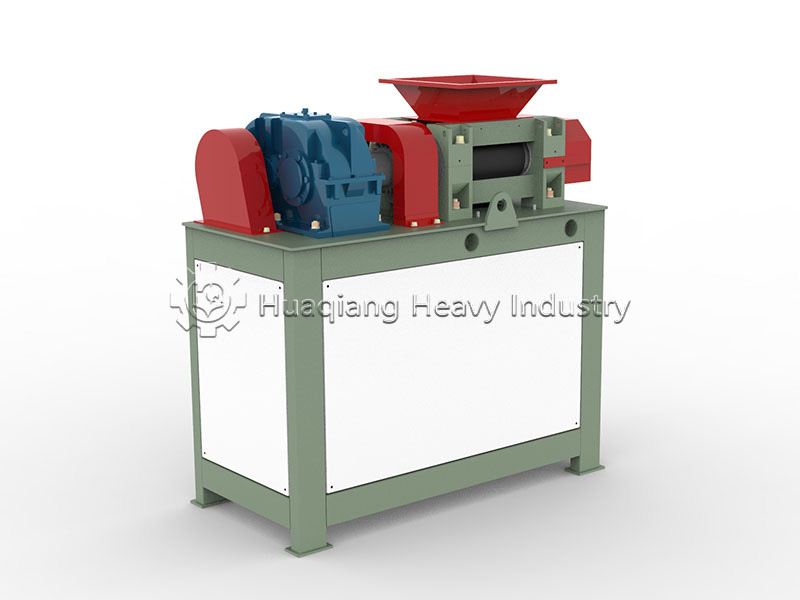
· Roller Press Granulator: As the core equipment, it uses a non-drying process to granulate at room temperature, requiring low investment and delivering high economic benefits, suitable for production scales of all sizes.

· Vertical Mixer: Features a long service life, energy efficiency, compact size, fast mixing speed, and continuous operation, making it ideal for urban and rural construction projects.

· Rotary Screener: Equipped with combined screens that are easy to repair and replace, it has a simple structure, user-friendly operation, and stable performance, making it an ideal equipment for compound fertilizer production.

· Belt Conveyor: Equipped with mobile and lifting devices, it offers high flexibility and can be moved to suitable locations for loading and unloading using forklifts or other power locomotives, adapting to various site conditions.

· Packaging Machine: Automatic packaging scales are divided into semi-automatic and fully automatic types, using screw feeding and forced discharge to achieve efficient packaging and enhance overall production efficiency.

Global Application Prospects

The roller press granulator production line is not only applicable to traditional fertilizer production but also to organic fertilizers, compound fertilizers, and specialty fertilizers. Its flexible design allows for the addition of various trace elements, helping farmers customize fertilizer formulas based on soil and crop needs. As global attention to agricultural sustainability increases, this low-energy, low-emission production line will play a significant role in both developing and developed countries. For instance, in resource-limited regions, using local powdered raw materials can significantly reduce transportation and processing costs, promoting local agricultural development.

In summary, the roller press granulator production line, with its efficient, economical, and eco-friendly characteristics, provides a reliable solution for global agriculture. By integrating advanced equipment, it enables fully automated production from batching to packaging, improving fertilizer quality while reducing environmental impact, thereby contributing to global food security.

Double roller press granulators are an efficient and stable choice for fertilizer granulation

In fertilizer production, the granulation process directly impacts fertilizer application convenience, storage stability, and nutrient utilization. Due to its unique technological advantages, double roller press granulators (commonly known as fertilizer compaction machines) are the preferred equipment for many production scenarios. They can transform a variety of fertilizer raw materials into uniform granules without complex pretreatment, offering both adaptability and practicality.

The operating principle revolves around “physical extrusion.” Crushed and mixed fertilizer raw materials are conveyed between two pairs of counter-rotating extrusion rollers at the core of the equipment. Under pressure from the roller surfaces, the raw materials are compressed into continuous flakes. These flakes then enter a crushing unit, breaking them into irregular particles. Screening equipment then selects the finished product that meets the required particle size.

The core advantages of double roller press granulators lie in their flexibility and energy efficiency. Requiring no binders, granulation relies solely on the raw materials’ inherent physical properties, preserving the natural properties of organic fertilizers or the nutrient purity of compound fertilizers. This eliminates the high-temperature drying step required in traditional granulation. Whether processing organic fertilizer, compound fertilizer, or functional bio-fertilizer, stable granulation can be achieved by simply adjusting parameters such as extrusion pressure and roller speed, providing an efficient solution for fertilizer production.

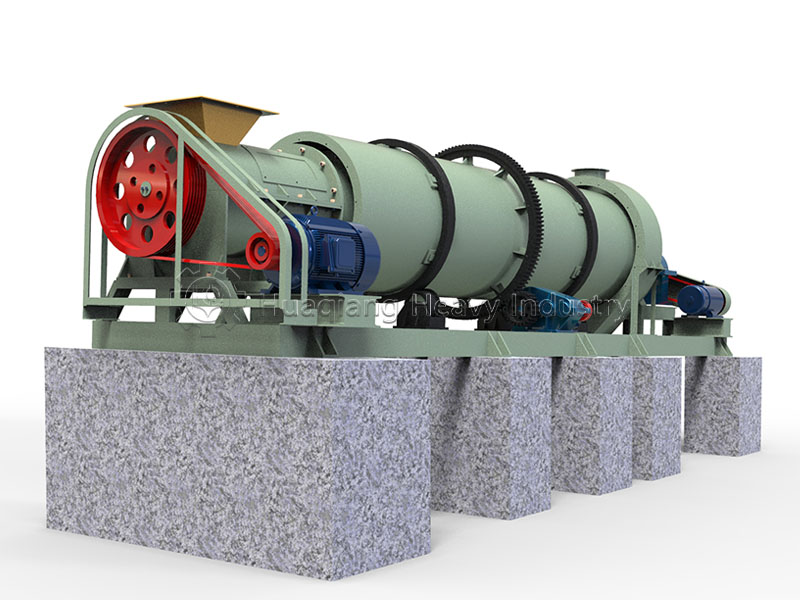
Rotary drum granulators optimize the nutrient content and application experience of organic fertilizer granules

The core value of organic fertilizer lies in nutrient supply and convenient application, and granule shape directly impacts these two properties. Insufficient nutrient retention reduces fertilizer efficiency, while uneven granules increase the difficulty of field application. By optimizing process details, rotary drum granulators can reduce nutrient loss during the granulation process while creating granule shapes that meet field needs.

In terms of nutrient retention, the rotary drum granulator’s low-temperature granulation is particularly advantageous. Relying on physical tumbling to form granules, the granulator eliminates the need for high pressure and maintains an internal temperature below 35°C, maximizing the retention of active ingredients in the raw materials. Its nutrient retention rate is 5%-8% higher than that of traditional equipment.

In terms of granule application experience, granules produced by rotary drum granulators better meet field needs. On the one hand, the equipment can produce uniform granules with a diameter of 2-5mm by adjusting the drum speed and die aperture, making it easier for farmers to apply fertilizers using seed drills and reducing the unevenness of manual spreading. On the other hand, the moderate hardness of the granules (compressive strength of 10-15N) prevents them from breaking down during transportation and slowly disintegrates in the soil, achieving “slow-release fertilizer supply” and avoiding the root burn caused by concentrated nutrient release.

For organic fertilizer companies pursuing “high quality and low price,” the high-nutrient, easy-to-apply granules produced by the rotary drum granulator can significantly enhance their product’s market competitiveness.

Common organic fertilizer production line types and key equipment configurations

In the fertilizer production industry, different types of fertilizer production lines correspond to varying production requirements and process characteristics. Understanding common fertilizer production line types and key equipment configurations is crucial for companies to plan production and improve efficiency.

Currently, mainstream fertilizer production lines include organic fertilizer production lines, NPK fertilizer production lines, and bio-organic fertilizer production lines. Organic fertilizer production lines primarily use agricultural waste and livestock manure as raw materials, producing organic fertilizer through fermentation, crushing, and granulation. NPK fertilizer production lines focus on optimizing the ratio of nitrogen, phosphorus, and potassium to produce compound fertilizers. Bio-organic fertilizer production lines build on traditional organic fertilizer production by incorporating biological strains to enhance the bioactivity of the fertilizer.

While different production lines have different focuses on equipment configuration, they share common core equipment. The crushing stage typically requires a fertilizer crusher to ensure the raw material particle size meets subsequent processing requirements. The granulation stage utilizes fertilizer granulators, such as disc granulators and rotary drum granulators. The mixing stage relies on a fertilizer mixer to ensure uniform mixing of the raw materials. Furthermore, fertilizer conveyors, screening machines, dryers, and coolers are essential equipment, collectively forming the complete fertilizer production process.

When configuring equipment, companies should carefully select equipment specifications and models based on the production line’s capacity, raw material characteristics, and product requirements to ensure optimal compatibility across all stages and improve overall production efficiency.

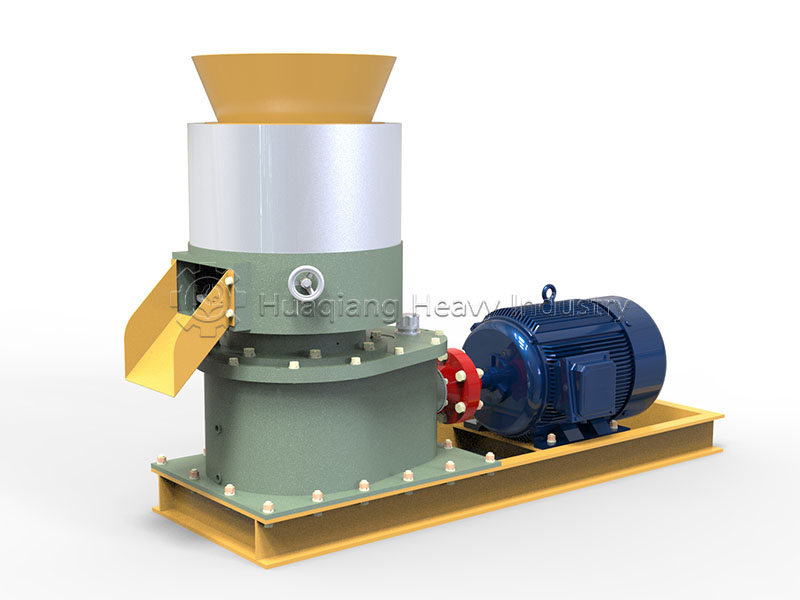
Flat die granulator: Solving the problem of fiber entanglement in organic fertilizer

Fiber raw materials such as straw, mushroom residue, and rice husks are common components in organic fertilizer production. However, these materials are prone to fiber entanglement with the rollers during pelletizing, leading to equipment stalls and a sharp drop in pelletizing efficiency. The flat die granulator, with its targeted structural design, is an ideal solution for this problem.

The core cause of fiber entanglement is insufficient cleavage of long fibers in the raw material, or a smooth roller surface that causes fibers to entangle as the rollers rotate. The flat die granulator’s design addresses this problem by focusing on two key points: First, the flat die holes feature a “deep straight hole” layout (15-20mm depth). This shortens the vertical force path when the fiber raw material is squeezed into the hole, reducing the fiber’s residence time between the rollers and the flat die.

Second, a pre-crushing pretreatment is recommended, with the fiber raw material pulverized to 0.5-1mm to ensure that long fibers are cut, thus reducing the likelihood of entanglement at the source.

In actual production, if slight entanglement still occurs, the gap between the roller and the flat die can be adjusted to maintain 0.2-0.3mm, or 1%-2% bentonite can be added to the raw materials for further optimization. This solution can increase the smoothness of granulation of fiber raw materials to over 90%, avoiding frequent downtime for cleaning and ensuring stable operation of the organic fertilizer production line.

Drum Cooler: How Does It Gracefully Cool High-Temperature Materials?

In the fiery arena of industrial production, materials processed at high temperatures often undergo a crucial step: cooling. The drum cooler, an industrial “cooling artist,” uniquely provides just the right amount of cooling for hot materials. This equipment can be found in industries ranging from cement to chemicals, from metallurgy to building materials. What makes it so captivating?

The Art of Cooling: Working Principle of Drum Cooler

Imagine materials fresh from high-temperature treatment, carrying intense heat and urgently needing cooling. The drum cooler acts like a skilled temperature regulator, smoothly transitioning materials from high temperatures to suitable levels through exquisite heat exchange processes. When high-temperature materials enter the rotating drum through the feed inlet, a carefully choreographed cooling dance begins.

Within the sophisticated npk fertilizer production line, the cooling drum’s elevator acts as a deft conductor, continuously lifting and dumping material to form a uniform particle curtain. This crucial process in the complete npk fertilizer line ensures optimal product quality after materials have been precisely blended by the npk blending machine and formed through granulation equipment.

Simultaneously, the cooling medium (whether air, water, or refrigerant) comes into close contact with the material, removing excess heat through efficient heat exchange. This rapid, uniform cooling process is essential for stabilizing output from various granulation systems, whether from a disc granulator in a specialized disc granulation production line or other types of fertilizer granulator equipment.

The same precision cooling technology benefits both conventional and organic fertilizer production line operations, ensuring every particle receives perfect thermal treatment regardless of the production method, ultimately guaranteeing consistent fertilizer quality and performance.

Precision Engineering: Every Component Matters

 Core Drum

As the heart of the equipment, the carefully designed cooling devices and lifters inside the drum ensure thorough material agitation while creating maximum heat exchange surface area.

 Transmission System

The precision transmission network composed of motors, reducers, gears, and idlers provides smooth and reliable rotational power for the drum, ensuring continuous cooling processes.

 Temperature Control

Advanced temperature and speed control systems allow operators to precisely adjust cooling intensity to meet specific cooling requirements of different materials.

 Sealing System

Precision sealing design not only prevents cooling medium leakage but also maximizes cooling efficiency while maintaining a clean working environment.

Wide Applications: The Ubiquitous Cooling Expert

  • Cement Industry: Cooling clinker to improve cement quality
  • Chemical Sector: Processing various chemical raw materials and products
  • Metallurgy: Cooling metal ores and metallurgical products
  • Building Materials: Handling various construction material raw materials
  • Environmental Protection: Treating solid waste materials
  • Food Processing: Cooling specific food ingredients

Outstanding Advantages: Why Choose Drum Cooler?

The appeal of drum coolers extends beyond their efficient cooling capacity to include excellent adaptability and operational convenience. Whether handling materials of different particle sizes or meeting varying production demands, they perform with ease. Their straightforward structural design makes maintenance remarkably simple, while flexible cooling medium options allow adaptation to various working conditions.

More importantly, while ensuring cooling effectiveness, drum coolers maintain the physical characteristics of materials unaffected. This precise temperature control capability makes them indispensable key equipment in modern industrial production.

From high temperatures to suitable levels, from intense heat to moderate warmth, drum coolers provide perfect cooling solutions for material processing across various industries with their professional technology and reliable performance. In this era that values both efficiency and quality, they will continue to play vital roles on the industrial cooling stage with their unique charm.

Bio-organic fertilizer equipment selection and maintenance: Helping reduce costs and increase efficiency

For bio-organic fertilizer manufacturers, selecting and effectively utilizing bio-organic fertilizer equipment is crucial for achieving sustainable profitability.

When selecting equipment, consider your production capacity and the characteristics of your raw materials. If your company uses livestock manure as its primary raw material, you should prioritize equipment with strong pretreatment capabilities to avoid high moisture content that could affect fermentation. If your production capacity is under 5,000 tons/year, you can choose small or medium-sized complete sets of equipment to reduce initial investment. If your production capacity exceeds 10,000 tons, you should consider highly automated production lines to reduce labor costs.

Secondly, pay attention to the bio-organic fertilizer equipment’s durability. Equipment for core processes like fermentation and granulation should be constructed of corrosion and wear-resistant materials to withstand the corrosive nature of organic fertilizer raw materials and extend their service life.

Daily maintenance is equally crucial. After use, promptly clean any residual material from components like fermentation tanks and granulators to prevent it from clumping and becoming moldy, potentially contaminating the raw materials during the next use. Regularly check the lubrication of the equipment’s transmission components. Oil depletion can lead to increased wear and tear, increasing the likelihood of failure.

Scientific selection and operation and maintenance can not only reduce the downtime of bio-organic fertilizer equipment and ensure production continuity, but also reduce maintenance costs and improve product qualification rate.

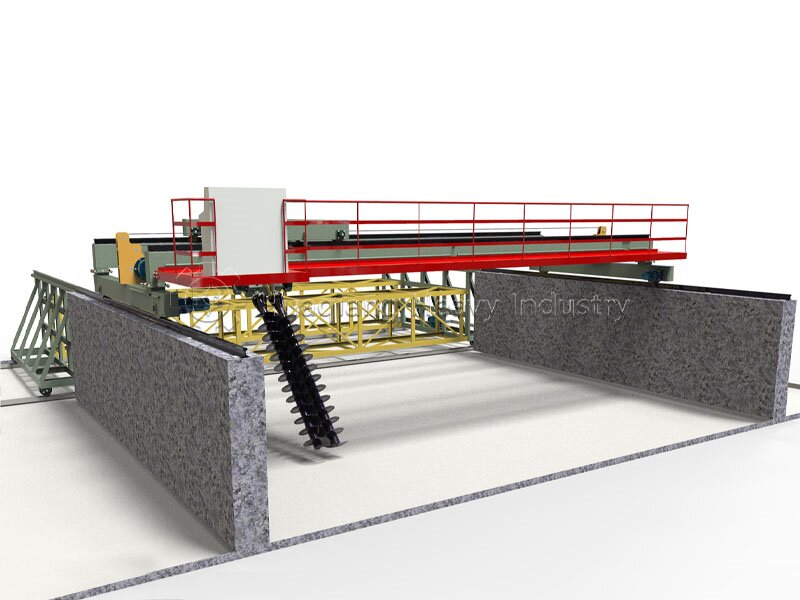
Windrow Compost Turner: The All-Terrain Expert for Composting

Breaking terrain limitations to deliver efficient composting solutions in the most challenging environments

A Revolution in Terrain Adaptability

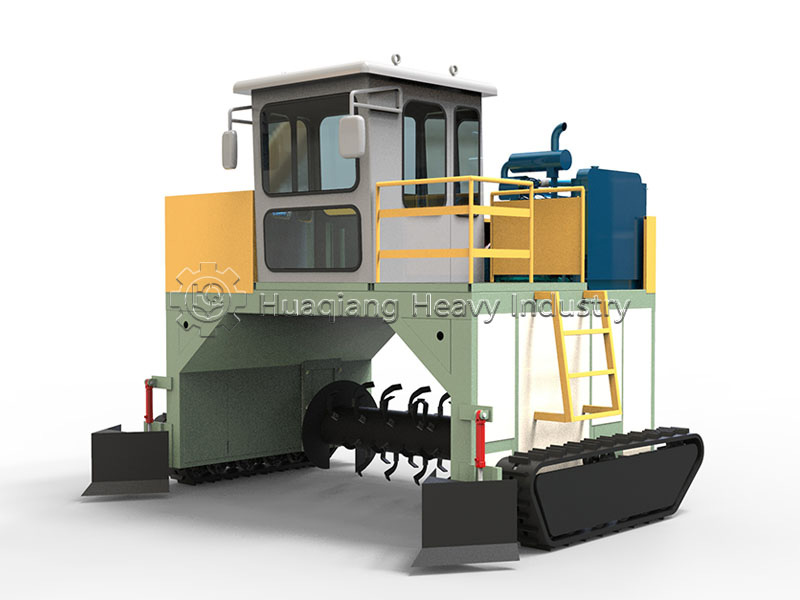
In the field of organic waste treatment, crawler compost turners have redefined the possibilities as a versatile compost fertilizer machine with their exceptional terrain adaptability. Compared to traditional wheeled equipment, this innovative design liberates composting operations from site constraints, making it an essential component among the equipments required for biofertilizer production.

Whether on soft mud, rugged uneven ground, or slippery slopes, crawler turners move with confidence and stability, ensuring consistent bio organic fertilizer production regardless of environmental conditions. This robust fertilizer production machine maintains operational efficiency across challenging landscapes, enabling continuous processing of organic materials into valuable nutrients.

The crawler system represents a significant advancement in composting technology, providing reliable performance that supports scalable bio organic fertilizer production operations while overcoming the limitations that traditionally hindered organic waste processing in difficult terrain.

The true advantage of crawler design lies in its excellent ground pressure distribution and powerful traction. The wide track plates evenly distribute equipment weight, effectively preventing sinking in soft ground. This design not only ensures mobility in various complex terrains but also provides reliable support for continuous, efficient composting operations, making organic waste treatment independent of weather and site conditions.

Core Components of Precision Engineering

The outstanding performance of windrow compost turner stems from six carefully designed core systems. Each system is optimally configured, collectively forming the strong competitiveness of this terrain-adaptive composting equipment.

Crawler Travel Mechanism

Includes tracks, drive wheels, and guide wheels, providing powerful ground grip and stability for various complex terrain conditions

Turning and Mixing Mechanism

Equipped with mixing arms, blades, or spiral devices that penetrate compost materials for efficient turning and increased oxygen supply to promote fermentation

Hydraulic Power System

Provides strong power for turning and travel mechanisms, enabling precise control of turning depth, speed, and movement

Intelligent Control System

Utilizes electronic control systems to automate equipment functions including turning, travel, and speed adjustment

Safety Protection System

Features multiple safety devices including overload protection and emergency stop functions to ensure safety of equipment and operators

Oxygen Supply System

Optional blower or piping system provides adequate oxygen to compost materials, promoting microbial activity and accelerating fermentation

The unique value of large wheel compost turner technology lies in its perfect integration of industrial-grade reliability with agricultural environment requirements. In large farms, organic fertilizer production bases, and agricultural waste treatment centers, this equipment demonstrates through outstanding performance that efficient composting is no longer challenging, regardless of terrain complexity.

These robust machines serve as the foundation of any modern organic fertilizer production line, seamlessly connecting with subsequent processing stages. The prepared compost becomes valuable input for various granulation systems, including advanced disc granulation production line setups and efficient drum granulation equipment.

Furthermore, the organic base produced through this method can be integrated into comprehensive npk fertilizer production process systems. When combined with chemical nutrients, it creates balanced fertilizers through a complete npk production line, demonstrating the crucial role of composting technology in both organic and conventional fertilizer manufacturing.

Application Prospects and Value

As modern agriculture places increasing importance on sustainable development and resource recycling, the significance of windrow compost turner becomes more prominent. They not only solve the challenges traditional composting equipment faces in complex terrain but also open new possibilities for resource utilization of organic waste. From livestock manure treatment to crop straw utilization, from food waste conversion to organic fertilizer production, this “all-terrain warrior” is making important contributions to green agriculture and circular economy development.

Crawler Compost Turner – Breaking terrain limitations to make efficient composting achievable on any site

The NPK Trio: Decoding the Nutritional Secrets of Plant Growth!

The “Big Three” of Plant Nutrition

Have you ever wondered what silently supports the vigorous growth of crops behind the scenes? The answer lies in the magical combination of three key nutritional elements: Nitrogen (N), Phosphorus (P), and Potassium (K). Like a well-trained symphony orchestra, each element plays a unique and indispensable role, collectively composing the magnificent movement of plant growth.

The seamless integration of these essential nutrients occurs through the sophisticated npk production process, where specialized equipment like the npk blending machine ensures perfect elemental harmony. This precision blending is crucial for creating balanced fertilizers that meet specific crop requirements.

At the heart of modern fertilizer granulation technology lies the npk fertilizer granulator machine, which transforms blended raw materials into uniform, easy-to-handle granules. The advanced npk fertilizer granulator employs innovative techniques to create consistent particle size and nutrient distribution, essential for efficient application and optimal plant uptake.

The complete manufacturing of npk fertilizer represents a carefully orchestrated industrial symphony, where each component—from initial blending to final granulation—works in perfect harmony to support global agriculture and food security.

Nutrient ElementCore MissionDeficiency SignsQuality Sources
Nitrogen (N)Architect of chlorophyll, promoting lush leaf growthYellowing leaves, stunted growth, weak plantsUrea, Ammonium Nitrate, Organic Fertilizers
Phosphorus (P)Engine of root development, catalyst for flowering and fruitingPoor root development, sparse flowering, delayed maturityDAP, Superphosphate, Bone Meal
Potassium (K)Plant’s immune system, magician of quality enhancementWeak stems, poor stress resistance, reduced fruit qualityPotassium Chloride, Potassium Sulfate, Plant Ash

The Technological Revolution in Modern Fertilizer Production

How are these crucial nutrient elements efficiently delivered to crops? This relies on the sophisticated design of modern fertilizer production technology. In advanced NPK fertilizer production lines, the rotary drum granulator acts like a skilled sculptor, shaping various raw materials into uniform, perfect granules through precise drum granulation processes.

Professional fertilizer machine manufacturers continuously innovate, developing various granulation equipment including flat die pellet machines and fertilizer compaction machines. Among these, fertilizer granules compaction technology directly compresses powder raw materials into shape under high pressure, not only improving production efficiency but also ensuring precise nutrient formulation and controlled release.

The Perfect Fusion of Organic and Inorganic

In the context of sustainable agriculture, bio organic fertilizer production is experiencing unprecedented development opportunities. Modern organic fertilizer manufacturing machines skillfully combine traditional organic materials with contemporary production processes, preserving the natural advantages of organic fertilizers while achieving the precision of chemical fertilizers.

Through innovative NPK fertilizer production technology, producers can customize the most suitable fertilizer formulations according to crop needs and soil conditions. This concept of precision fertilization not only improves fertilizer utilization efficiency but also reduces environmental impact, truly achieving sustainable agricultural development.

Choosing the Right Fertilizer Production Solution

Whether it is a large NPK production line or a small organic fertilizer equipment, choosing the right production equipment is crucial. Experienced fertilizer machinery manufacturers can provide complete solutions from fertilizer compaction to rotary granulation to ensure that each production link achieves optimal performance.

With the continuous advancement of NPK production technology, intelligence and automation are becoming new industry standards. From raw material formulation to finished product packaging, every link embodies the wisdom of scientific and technological innovation, providing solid protection for global food security.

Bio-organic fertilizer equipment: A key link to unlocking green fertilizer production

With the growing adoption of green agricultural development, market demand for bio-organic fertilizer continues to rise due to its ability to improve soil quality and crop quality. Bio-organic fertilizer equipment has become the core link between raw materials and qualified products, directly determining production efficiency and quality.

In the bio-organic fertilizer production process, equipment plays a crucial role throughout. During the raw material pretreatment stage, crushing and mixing equipment refines and evenly distributes raw materials like livestock manure and straw, laying the foundation for subsequent fermentation. The fermentation stage is crucial. Specialized fermentation equipment can maintain a stable fermentation temperature within a range suitable for microbial activity through temperature, humidity, and ventilation control. This not only shortens the fermentation cycle but also effectively eliminates insect eggs and pathogens in the raw materials, reducing the risk of farmland diseases.

Subsequent granulation, drying, and screening equipment determine the product’s form and purity. Granulation equipment can convert loose fermentation materials into granules, facilitating storage and transportation while minimizing nutrient loss. Drying equipment can control the product’s moisture content to below 15%, preventing clumping and mold. Screening equipment can remove impurities and ensure uniformity of organic fertilizer particles.

In addition, high-quality bio-organic fertilizer equipment incorporates environmentally friendly features, such as deodorization and dust removal devices, to reduce exhaust and dust emissions during production, helping companies achieve green production.

Back To Top