Category: organic fertilizer equipment

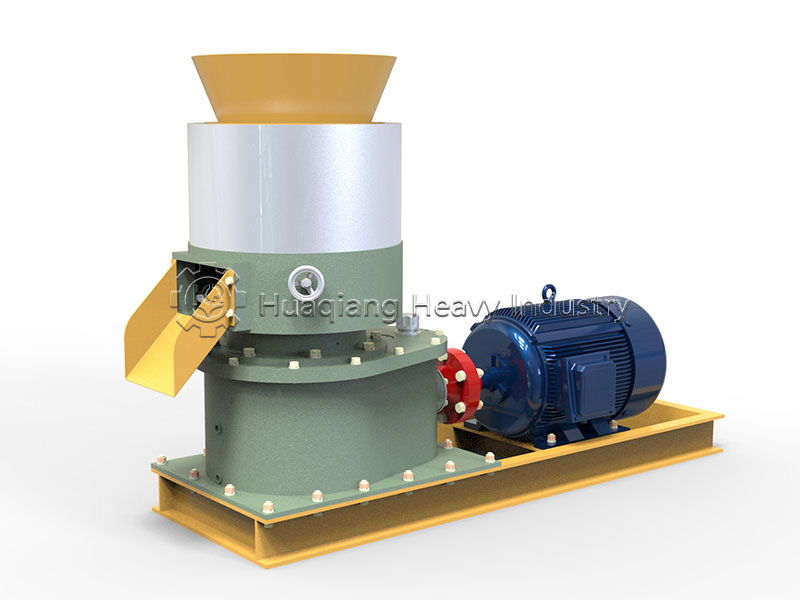
Flat die granulators: Common failures and solutions

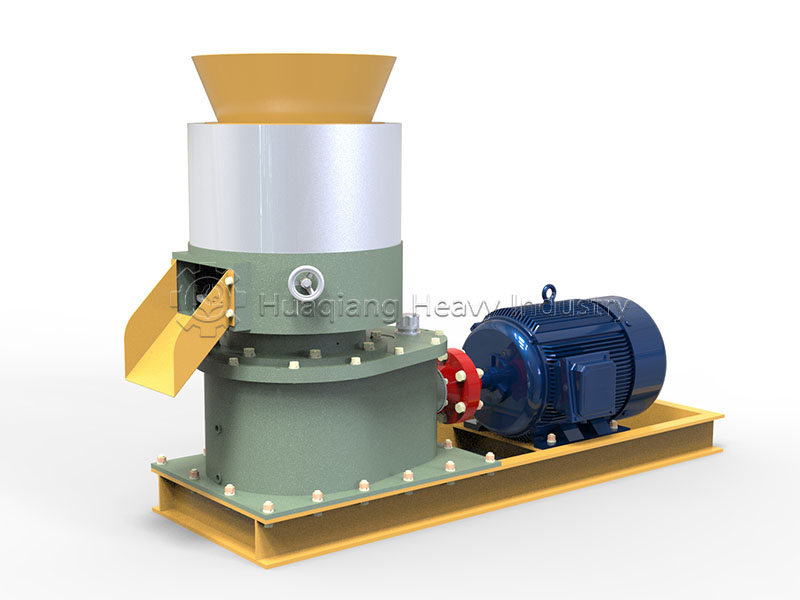
Poor pellet formation is a common problem with flat die granulators. Improper material moisture is the primary cause. Excessively high moisture content can cause the material to stick together, making it difficult to form; while excessively low moisture content can lead to a lack of cohesiveness and loose pellets. Die wear can also cause forming problems, resulting in irregular die holes and poor pellet quality. Insufficient roller pressure can also prevent the material from being fully extruded. Solutions include strictly controlling material moisture content to maintain it within the appropriate range; regularly inspecting and replacing severely worn dies; and adjusting roller pressure to ensure uniform and adequate pressure.

Abnormal equipment noise is often caused by multiple factors. Bearing damage is a common cause, producing abnormal noise during operation. Loose components, such as loose screws and connectors, are also important, as they can generate vibration and noise during operation. Gear wear can also increase noise, as worn gears mesh poorly. If these problems occur, promptly inspect the bearings, tighten loose components, and replace damaged gears as necessary to reduce noise and ensure proper operation.

Routine maintenance is crucial to minimizing flat die granulator failures. Regularly check the wear of equipment components, such as rollers, dies, and bearings, and replace wearing parts promptly. Keep the flat die granulator clean to prevent residual material from corroding the equipment. Lubricate the equipment regularly to reduce friction between components. These routine maintenance measures can effectively reduce the incidence of equipment failures, extend equipment life, and improve production efficiency.

Efficient production in the organic fertilizer industry

The organic fertilizer industry is experiencing rapid growth. With the growing adoption of green agricultural development, market demand for organic fertilizer continues to grow, driving both innovations in raw material processing and the upgrading of production technologies.

Granulation is a key step in the organic fertilizer production process, directly impacting the product’s granule shape and application efficiency. Flat die granulators play a crucial role in this process. These machines extrude fermented and decomposed organic materials into uniform, solid granules, facilitating transportation and storage while also facilitating mechanized fertilization.

The advantages of flat die granulators lie in their adaptability, ability to process a wide range of organic materials, and relatively relaxed requirements for raw material moisture content. This relatively simple structure and easy operation and maintenance make them widely used by small and medium-sized organic fertilizer manufacturers. Flat die granulators offer a high granulation rate and moderate granule strength, helping to reduce dust issues during use.

Currently, the organic fertilizer industry is moving towards scale and standardization. Technological advances in production equipment, particularly the continuous optimization of the granulation process, have provided strong support for improving product quality and production efficiency. With the iteration of technology, organic fertilizer production in the future will be more efficient and energy-saving, contributing more to sustainable agriculture.

What Fertilizers Sell Well? Matching Products To Regional Demand

For entrepreneurs planning to build a factory, the first and most critical question is, “What fertilizers sell well?” The answer depends on two core factors: regional demand and local competition—ignoring either can lead to product overstock and wasted investment.

Regional demand directly influences product selection. In southern China, where cash crops such as fruits, vegetables, and tea dominate, bio-organic fertilizers are in high demand. These crops require soil improvement and high-quality nutrients to enhance flavor and yield, making high-value bio-organic fertilizers a top choice for farmers. For example, in Guangdong’s vegetable-growing areas, sales of bio-organic fertilizers have grown by 15% annually in recent years as farmers prioritize chemical-free farming to meet market demand for green agricultural products.

In contrast, northern China’s major grain-producing regions (Northeast and North China) rely heavily on nitrogen, phosphorus, and potassium compound fertilizers and bulk blends. Wheat, corn, and rice require a balanced supply of nitrogen, phosphorus, and potassium to ensure stable yields. While NPK compound fertilizers with standard ratios (e.g., 15-15-15) are the mainstay in the region, bulk-blended fertilizers offer flexibility—farmers can adjust the formula to suit soil conditions (for example, adding more potassium in saline-alkali soils). A survey in the Heilongjiang Corn Belt revealed that over 70% of farmers prefer bulk-blended fertilizers due to their cost-effectiveness and adaptability.

The competitive landscape also dictates differentiation. If a region already has many small and medium-sized organic fertilizer plants, they should avoid homogenization. Instead, they should focus on high-content organic-inorganic compound fertilizers—combining organic matter with trace elements—to fill market gaps. For example, in Shandong Province, where organic fertilizer plants are densely populated, a new plant launched a 50% organic compound fertilizer for greenhouse growers, quickly capturing 10% of the local market share within six months.

For NPK compound fertilizers, customized formulas are possible if local competition is fierce. Saline-alkali regions like Hebei and Inner Mongolia require NPK compound fertilizers with salt-tolerance additives. A local fertilizer manufacturer developed a specialized nitrogen, phosphorus, and potassium (NPK) fertilizer formula (20-10-15, with added humic acid) that provides nutrients while improving soil structure, making its product stand out from the crowd.

The manufacturing flexibility for such specialized formulations is achieved through adaptable production systems. A standard npk fertilizer production line can be configured to accommodate these custom recipes, beginning with precise formulation using an npk blending machine. The granulation process can utilize either a traditional disc granulator operating within a disc granulation production line or a double roller press granulator for dry granulation. This versatility allows the same npk fertilizer line to produce various specialized formulas, while the core fertilizer granulator technology remains consistent, distinguishing the process from a standard organic fertilizer production line.

In short, the choice of what to produce isn’t random. By tailoring its products to regional crop needs and differentiating them from competitors, the fertilizer manufacturer can ensure its products are a hit from the start.

Analysis of Main Equipment in Organic Fertilizer Disc Granulation Production Line

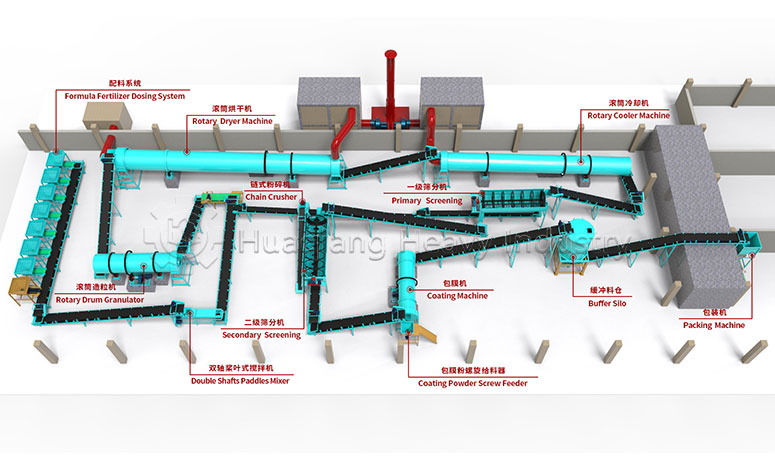
The organic fertilizer disc granulation production line is a complete production system composed of multiple key equipment, each playing an irreplaceable role in the production process. Understanding the functions and characteristics of these equipment helps to better master the entire production process.

1. Automatic Batching System

The automatic batching system is the starting point of the production line, consisting of feeding system, weighing device, silo and conveyor belt. This system combines the speed of dynamic batching with the accuracy of static batching (0.2%), ensuring the accuracy of raw material proportions.

2. Vertical Mixer

The vertical mixer has advantages such as long service life, energy saving, small size, and fast mixing speed, and can work continuously, making it particularly suitable for large-scale production needs.

3. Disc Granulator

As the core equipment, the new type of inclined disc granulator can achieve a granulation rate of over 90%, ensuring production efficiency and product quality.

4. Dryer

The dryer features beautiful appearance, simple operation, low energy consumption, and long service life. It is an advanced compound fertilizer drying equipment in China, achieving uniform drying.

5. Chain Crusher

Using high-strength wear-resistant carbide chain plates with reasonable inlet and outlet design, it ensures uniform crushing of materials, is not easy to stick to the wall, and is easy to clean.

6. Rotary Screener

Using combined screens that are easy to maintain and replace, with simple structure, convenient operation, and stable operation, it is an ideal equipment for compound fertilizer production.

7. Coating Machine

The main engine is lined with polypropylene or acid-resistant stainless steel, with specially designed internal structure, making it an effective special equipment for compound fertilizer production.

8. Packaging Machine

Using screw feeding and forced discharge by feeding mechanism, it achieves automatic quantitative packaging and improves packaging efficiency.

9. Cyclone Dust Collector

Mainly used for pre-sedimentation of high-concentration dust and separation and recovery of materials, it has high collection and separation efficiency for coarse particles above 5-10um and high purification rate.

10. Conveyor

Suitable for material transportation in environments such as fertilizer plants and cement plants, particularly suitable for situations requiring manual loading, saving a lot of manpower.

Conclusion

The integrated organic fertilizer production line represents a sophisticated system where various fertilizer production machine units collaborate to establish an efficient and continuous manufacturing process. The production begins with crucial preprocessing equipment such as the large wheel compost turner and chain compost turner, which are essential components among the equipments required for biofertilizer production. These compost fertilizer machine units ensure optimal decomposition and prepare raw materials for subsequent processing stages.

At the heart of the granulation phase, the disc granulation production line offers versatile solutions, while alternative systems like the rotary drum granulator and drum granulator provide additional options for specific production needs. The drum granulation process proves particularly effective in both organic fertilizer production line and bio organic fertilizer production line configurations. For operations requiring high-pressure granulation, the double roller press granulator serves as an excellent fertilizer granulator alternative.

The comprehensive system shares similarities with the npk fertilizer production line in terms of operational principles, though each follows a distinct npk fertilizer production process. Whether implementing a specialized npk production line or a dedicated organic fertilizer system, proper equipment selection and integration remain paramount for achieving optimal production efficiency, consistent product quality, and sustainable operational practices in modern fertilizer manufacturing.

Disc Granulator: Why Is It Preferred?

 In modern fertilizer production, the disc granulator stands as a master craftsman, becoming the preferred equipment for numerous enterprises within the NPK manufacturing process. While the rotary drum granulator offers an alternative approach, the disc granulator’s unique design philosophy and exceptional performance for creating uniform fertilizer granules make it indispensable. For materials requiring fertilizer compaction, the fertilizer compactor and roller press granulator production line provide specialized solutions for fertilizer granules compaction. A reputable fertilizer machine manufacturer typically integrates both technologies into a comprehensive NPK fertilizer production line, ensuring optimal equipment selection for each production stage. This sophisticated fertilizer production machine ecosystem, whether utilizing a drum granulator or specialized fertilizer compaction machine, contains profound engineering wisdom that transforms powder materials into valuable agricultural nutrients through precise mechanical design and controlled agglomeration processes.

Precision Structure: Every Component Is Indispensable

Core Granulation Disc

As the heart of the equipment, the granulation disc is welded from high-quality steel plates with wear-resistant lining on the inner wall, ensuring long-term stable operation. With diameters ranging from 1-5 meters, depths of 0.3-1.5 meters, and adjustable inclination angles between 30°-60°, it meets diverse production requirements.

Precision Transmission System

The transmission device, composed of motor, reducer, and pulley, ensures the granulation disc rotates steadily at 5-30 rpm. This precise power system is key to ensuring uniform particle quality.

Intelligent Control System

Equipped with advanced feeding devices and water spray systems, it achieves uniform material feeding through screw feeders or belt feeders, combined with precise water spraying to ensure optimal material moisture content.

ComponentTechnical ParametersFeatures
Granulation DiscDiameter 1-5m, Inclination 30°-60°Core working part with wear-resistant lining
Transmission SystemRotation Speed 5-30 rpmEnsures stable operation and uniform particles
Frame StructureSteel Section WeldingProvides stable support and equipment stability

Outstanding Advantages: Redefining Granulation Standards

Excellent Pelletizing Effect

Particle sphericity exceeds 80%, smooth surface, high uniformity, and excellent strength

Easy and Flexible Operation

Simple and intuitive structure, precise control through speed and angle adjustment

Wide Adaptability

Processes various materials, from powders to viscous materials with perfect results

Energy Efficient Operation

Lower energy consumption compared to other equipment, more competitive operating costs

Particularly noteworthy is the remarkable flexibility disc granulators demonstrate when processing different materials. Whether dealing with fine powders or somewhat viscous raw materials, they can achieve optimal granulation results through precise adjustment of process parameters. This powerful adaptability ensures excellent performance in varying production environments.

Production Efficiency: Driving Force of Continuous Innovation

Disc granulators employ continuous production methods with hourly outputs ranging from several tons to dozens of tons, fully meeting production needs of different scales. Their efficient operation and stable product quality make them indispensable key equipment in modern fertilizer production lines. Meanwhile, the modular design concept makes equipment maintenance more convenient, significantly improving overall operational efficiency.

The disc granulator represents not only an outstanding example of mechanical engineering technology but also the perfect embodiment of modern production process wisdom. From precise component design to intelligent operating systems, from excellent pelletizing effects to efficient operational performance, every detail demonstrates the sophistication and innovation of engineering technology. As global fertilizer production continues to pursue efficiency, energy conservation, and environmental protection, disc granulators are consistently providing strong technical support for global agricultural production with their exceptional performance and reliable quality.

A brief discussion on the key role of extrusion in the organic fertilizer industry

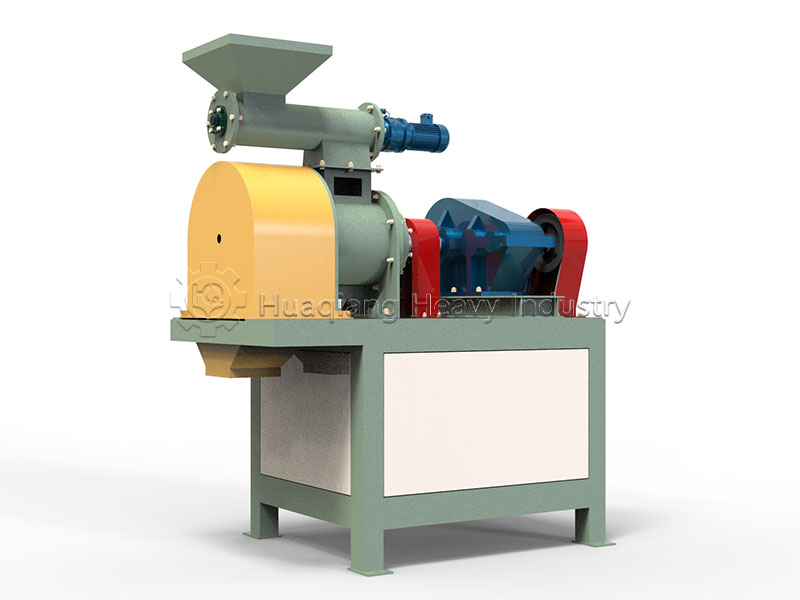
In organic fertilizer production lines, there’s a seemingly simple yet crucial process: extrusion granulation. It transforms loose, uneven powdered organic raw materials into uniform, solid granules. This isn’t just a change in form; it’s a crucial step in improving the quality and modernizing the development of organic fertilizer.

Although rich in nutrients, unprocessed powdered organic fertilizer faces numerous challenges in practical application. First, its low density and bulk increase storage and transportation costs. Second, during application, powdered fertilizer is easily dispersed by the wind, resulting in fertilizer loss and environmental pollution. Extrusion technology specifically addresses these issues.

The extrusion process applies tremendous pressure to a fertilizer granulator, forcing the fine fertilizer powder through a specialized die, where it is squeezed into uniform, high-density, and strong granules.

The widespread adoption of extrusion granulation technology marks a significant shift in the organic fertilizer industry from extensive to refined, and from traditional to modern. This enables the standardization and commercialization of organic fertilizer products, shedding their image as “earth-based fertilizer” and making them more readily accepted and trusted by large-scale farms and specialized agricultural practitioners.

In short, these tiny fertilizer pellets embody not only rich organic matter but also the wisdom of modern processing technology. Extrusion molding, as a core component, continues to provide solid technical support for improving quality, increasing efficiency, and promoting green development in the organic fertilizer industry.

Small pellets, big impact: The evolution of organic fertilizer through granulation

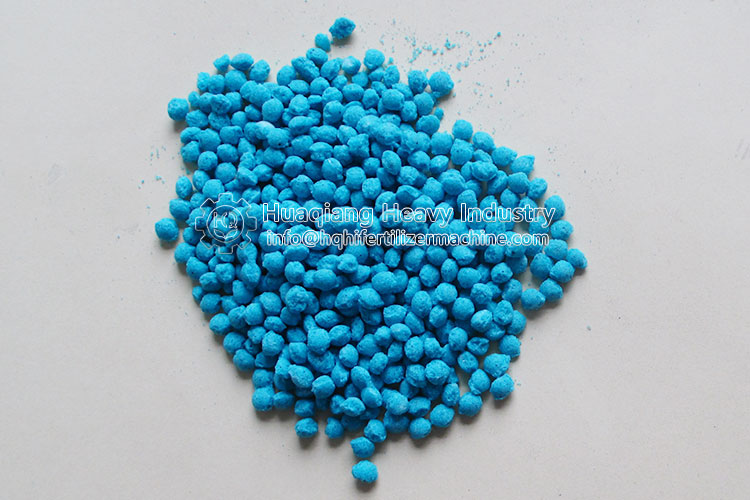
In organic fertilizer production, granulation is more than just a cosmetic enhancement. Its primary purpose lies in practicality. Powdered organic fertilizers have a low density and are bulky, taking up a lot of space during storage and transportation. They are also prone to generating dust, leading to nutrient loss and environmental pollution. Granulation compacts the material, significantly reducing its volume, making long-distance transportation and economical storage possible.

More importantly, granulation profoundly impacts the ease and efficiency of fertilization. Uniform granules facilitate mechanized spreading, adapting to the operational needs of modern large-scale farms. Furthermore, their compact structure regulates the release rate of nutrients into the soil, preventing rapid decomposition and providing a more stable and long-lasting nutritional supply for crops.

So, how are various agricultural and forestry wastes transformed into uniform granules? Currently, mainstream granulation processes, such as disc granulators and double roller press granulators, each have their own advantages.

The advancement of granulation technology, from dusty powder fertilizer to uniform, uniform granules, is a significant step toward the modernization and standardization of traditional organic fertilizers. It has transformed organic fertilizer from a traditional “homegrown” method into a standardized commodity that can be integrated into modern agricultural production systems. These tiny granules embody the industry’s unwavering pursuit of efficiency, environmental protection, and practicality.

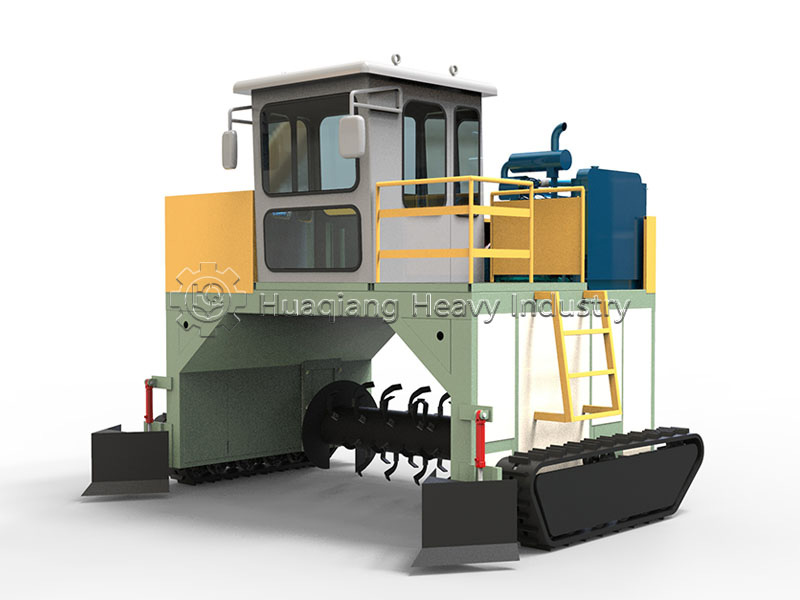
The “Competition” between large wheel compost turners and traditional compost turning equipment

In the field of organic waste treatment, compost turning equipment is a critical tool. The emergence of large wheel compost turning machines has disrupted the traditional compost turning system, creating a fierce competition with it.

Traditional trough compost turning machines typically require the construction of fixed fermentation tanks, which not only limits the equipment’s flexibility but also takes up a significant amount of site space. For example, a small organic waste treatment project with a daily processing capacity of 10 tons would require the construction of at least two fermentation tanks, each 10 meters long and 3 meters wide. Including the spacing between the tanks and the operating space, the total area required is approximately 100 square meters.

Large wheel compost turning machines, on the other hand, have relatively low site requirements. Without the need for fixed fermentation tanks, they can operate in more open areas. To process the same 10 tons of organic waste, a large wheel compost turning machine may only require approximately 60 square meters of site space, significantly saving space.

Traditional compost turning equipment has a relatively limited turning range, typically 5-10 meters wide and 1-1.5 meters deep. Large-wheel compost turning machines, on the other hand, can reach widths of up to 30 meters and depths of 1.5-3 meters, enabling them to cover a wider area and greater depths.

Conventional equipment can have blind spots, resulting in incomplete fermentation of some materials. Large wheel compost turning machines, through symmetrical turning and a speed-adjustable, shifting trolley, achieve seamless turning, ensuring more even mixing and more complete fermentation.

Disc granulator: An efficient “Pellet Former” in fertilizer production

In fertilizer granulation production, disc granulators, with their simple structure and easy operation, have become a common tool for small and medium-sized fertilizer companies. They are particularly widely used in granulating compound and organic fertilizer raw materials.

In terms of its core structure, a disc granulator primarily consists of an inclined disc, a transmission system, a distributor, a spray system, and a frame. The disc’s tilt angle and rotational speed are key parameters. Typically, the tilt angle is controlled between 15° and 30°, and the rotational speed is maintained between 15 and 30 rpm. By adjusting these two parameters, fertilizer raw materials of varying moisture and particle size can be accommodated. The transmission system often utilizes a gear reduction design to ensure smooth disc operation and prevent uneven particle size due to speed fluctuations.

During operation, the mixed fertilizer raw materials are evenly delivered by the distributor into the rotating disc. As the disc rotates, the raw materials roll along the inner wall of the disc under the combined effects of centrifugal force, gravity, and friction. At this point, the spray device precisely applies the binder, gradually agglomerating the raw materials into small particles. As the particles continue to roll, they absorb the raw materials and grow larger. Once they reach the desired particle size, they overflow from the edge of the disc and enter the subsequent stages.

This disc granulator offers advantages in highly uniform granulation, low energy consumption, and low maintenance costs; only regular inspections of the disc wear and lubrication of the transmission components are required.

Horizontal Fertilizer Mixer: A Comprehensive Guide

Introduction

In the global fertilizer production industry, achieving a homogeneous mixture is crucial for product quality and efficiency. The Horizontal Fertilizer Mixer stands out as a foundational piece of equipment in this process, serving as a critical first step in both a comprehensive NPK fertilizer production line and a specialized organic fertilizer production line. Its robust design and efficient operation are indispensable for ensuring that raw materials are perfectly blended before subsequent processing. This thoroughly mixed material is then ready for granulation, where machinery like a versatile fertilizer granulator takes over. Depending on the production needs, this could be a disc granulator operating within a disc granulation production line for creating spherical pellets, or a double roller press granulator for a dry compaction method. In an NPK fertilizer line specifically, this mixer works in concert with NPK blending machines to create uniform nutrient profiles. The machine’s ability to consistently prepare a wide range of materials ensures that the entire granulation process, regardless of the technology used, produces blends that meet strict quality standards, thereby supporting global food production and sustainable agriculture practices.

Working Principle

The core operation of a horizontal mixer is elegantly simple yet highly effective. It relies on the rotational movement of a mixing device, typically a shaft with blades, inside a horizontally oriented drum.

  1. Feed:The process begins with the introduction of raw materials—which can include various powders, granules, and additives—through the feed inlet located on top of the mixing drum.
  2. Mixing:An electric motor drives the central mixing shaft, causing the strategically angled blades to rotate. These blades perform a complex, three-dimensional movement, pushing materials from the center towards the ends of the drum and back. This action creates a turbulent yet controlled environment where particles interact through multiple mechanisms:
    • Shearing:Breaking up clumps and ensuring fine particles are incorporated.
    • Diffusion:Allowing particles to spread evenly throughout the mixture.
    • Convection:Creating bulk movement for large-scale homogeneity.
  3. Discharge:Once a uniform blend is achieved, which typically takes just a few minutes, the mixed product is discharged through an outlet at the bottom. Many models feature slide gates, butterfly valves, or even screw conveyors for controlled and complete discharge, minimizing residue and cross-contamination between batches.

Key Equipment Features

The horizontal design confers several distinct advantages that make it a preferred choice across industries.

  • Superior Mixing Uniformity:The combination of the blade geometry and the horizontal drum orientation ensures that even minor components are distributed evenly throughout the entire batch. This is critical in fertilizer production, where nutrient consistency directly impacts crop yield.
  • Remarkable Versatility:This mixer is not limited to fertilizers. It can efficiently handle moist powders, sticky materials, and fragile granules with minimal degradation. Its applicability extends to animal feed, chemicals, pharmaceuticals, and food processing.
  • High Capacity for Large-Scale Production:Unlike vertical mixers, the horizontal configuration allows for a much larger volume capacity within a comparable footprint. This makes it ideal for continuous or large-batch production lines, significantly boosting overall plant throughput.
  • Ease of Cleaning and Maintenance:The internal components are often easily accessible. Many blades are designed to be removable, and the smooth, uncluttered interior of the drum allows for quick wash-downs, which is essential when switching between different product formulations.
  • Excellent Sealing Performance:Advanced sealing systems, such as lip seals or mechanical seals, are employed at the shaft openings. This prevents dust emission, protects the bearings from abrasive particles, and ensures a clean, safe working environment compliant with health and safety regulations.

Conclusion

The Horizontal Fertilizer Mixer is a testament to efficient and reliable industrial design. Its straightforward working principle, coupled with features like high uniformity, large capacity, and easy maintenance, makes it a cornerstone of modern material processing. For any operation requiring consistent, high-volume blending of dry or moist solids, investing in a well-designed horizontal mixer is a strategic step towards optimizing production quality, efficiency, and profitability on a global scale.

Keywords: Fertilizer Mixer, Horizontal Mixer, Mixing Equipment, Industrial Mixer, Fertilizer Production

Back To Top